The Grid-Independent Premium: Why Off-Grid Power Architecture is Driving 2026 African Real Estate Values

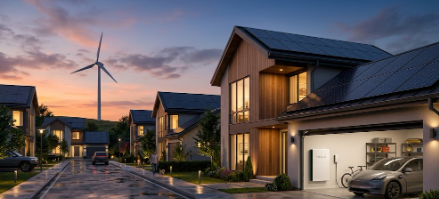
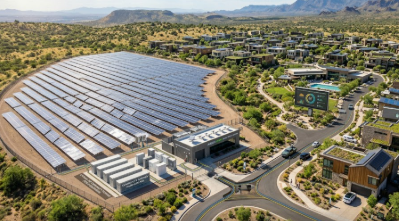
 A modern residential estate using off-grid power architecture with a centralized solar array.

As we approach the major Lagos Real Estate Fest later this month, exciting new data has emerged. Residential estates that offer centralized solar mini-grids now fetch a massive 25% premium in valuation. Buyers eagerly pay this extra amount compared to traditional grid-dependent or diesel-reliant neighborhoods. Consequently, modern developers are completely changing how they build communities. They now rely heavily on off-grid power architecture to meet buyer demands. This new energy setup provides consistent electricity and protects residents from national grid failures. Ultimately, reliable power forms the foundation of modern luxury living in Africa.

The Centralized BESS Hub in Off-Grid Power Architecture

Modern estate developers currently abandon individual property generators. Instead, they deploy a centralized containerized Lithium Iron Phosphate ($LiFePO_4$) battery bank. Engineers carefully link this large battery bank to a unified solar array. For example, instead of 100 houses running 100 noisy generators, a single central hub powers the entire estate. Therefore, this off-grid power architecture drastically reduces the headache of maintaining personal engines. Furthermore, a centralized battery energy storage system (BESS) manages power far more efficiently. The system stores abundant daytime sunshine and releases it smoothly during the night.

Smart Metering Infrastructure and Off-Grid Power Architecture

To manage this central power effectively, developers install Bi-Directional Smart Utility Meters. These intelligent meters form the backbone of any off-grid power architecture. They allow the estate’s management to dynamically track electricity usage across all homes. In addition, facility managers can easily allocate peak-hour power quotas to prevent system overloads. Most importantly, these smart meters flow both ways. If a homeowner installs extra solar panels on their roof, they can sell excess power back to the estate’s micro-grid. As a result, residents become power producers, which significantly lowers their monthly utility bills.

The Zero-Noise Luxury Experience

We must look past the financial return on investment to understand the true market appeal. Developers now market lifestyle hardware as a premium benefit. By eliminating individual diesel generators, estates successfully drop residential ambient noise levels below 45dB. This drastic reduction in noise radically shifts the luxury status of the property. For instance, residents can enjoy a peaceful evening on their patios without the deafening roar of a neighbor’s engine. Consequently, off-grid power architecture creates a serene environment that wealthy buyers eagerly seek. Silence has officially become the new standard for luxury.

Lower Costs Through Off-Grid Power Architecture

Moreover, this reliable energy model offers massive long-term financial benefits for the whole community. Localized mini-grids slash estate facility maintenance fees by up to 60%. Traditional centralized infrastructure models simply cannot compete with these impressive savings. Because solar hubs lack complex moving parts, they require very little physical maintenance. Homeowners no longer worry about daily diesel deliveries or frequent oil changes. Therefore, this efficiency renders old power systems completely obsolete for high-end African property development. Off-grid power architecture clearly provides a cheaper, cleaner, and smarter way to manage estate utilities.

Conclusion and the Future of Off-Grid Power Architecture

In conclusion, the African real estate market clearly favors sustainable and independent energy solutions. Buyers confidently pay top dollar for properties that guarantee zero noise, lower maintenance fees, and uninterrupted power. Off-grid power architecture will undoubtedly continue to dominate estate planning for decades to come. If you want to learn more about how sustainable energy transforms global infrastructure, please read this comprehensive guide on renewable energy impacts and global power systems.

References

  • Lagos Real Estate Fest 2026 Preliminary Valuation Data.
  • International Energy Agency (IEA) Reports on Micro-Grid Efficiencies in Sub-Saharan Africa.
  • World Bank Energy Overview: Sustainable Power and Infrastructure.
High-Heat Solar: Why Cheap Hybrid Inverters Fail in Sub-Saharan African Summers

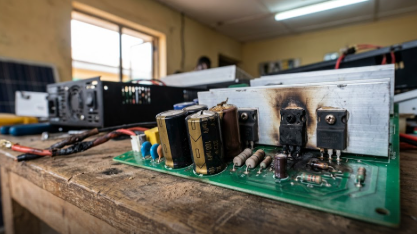
A burnt solar circuit board illustrating why cheap hybrid inverters fail in extreme tropical heat.

Temperatures frequently hit seasonal highs across West Africa, especially during the intense summer months. Consequently, local solar technicians report a massive spike in system breakdowns across the region. Many homeowners and businesses buy solar systems expecting reliable daily power, but they quickly face unexpected darkness.

The main culprit behind these sudden power outages usually comes down to equipment quality. Specifically, many people do not understand why cheap hybrid inverters fail so quickly in a tropical climate. Manufacturers often test these budget devices in perfectly cooled laboratories. However, these standard laboratory specifications do not match the brutal reality of operating high-voltage solar setups in sub-Saharan Africa. In this article, we will explore the technical engineering gaps that cause these failures. Furthermore, we will explain exactly what you need to look for when upgrading your solar power system.

Understanding Ambient Derating in Cheap Hybrid Inverters

First, we need to understand a technical engineering term called “ambient derating.” Manufacturers rate most budget solar equipment for peak performance at an ideal ambient temperature of 25°C. However, mechanical rooms in Nigeria and other West African countries regularly reach temperatures of 35°C to 40°C.

Therefore, when the room gets too hot, cheap hybrid inverters automatically throttle their output efficiency. They usually drop their power output by 20% to 30% simply to avoid a complete system meltdown. For example, if you buy a 5kVA inverter, it might only give you 3.5kVA of power during a hot afternoon. Ultimately, this significant drop in efficiency leaves your batteries undercharged and your appliances without enough power.

Passive Versus Active Fan Profiles

Besides derating, cooling mechanisms play a huge role in equipment survival. You must understand the hardware difference between passive and active fan profiles to make an informed choice. Manufacturers typically build budget inverters using low-cost sleeve-bearing fans. Unfortunately, these cheap fans fail quickly because they pull thick environmental dust directly into the machine.

On the other hand, high-spec tropical models use much better cooling technology. They feature dual-ball bearing, dust-sealed active cooling loops that meet strict IP65 ratings. Consequently, these premium fans spin faster, last longer, and actively push hot air out of the system. Therefore, if you buy cheap hybrid inverters, you risk losing your cooling fans within a few months, which leads directly to severe overheating and permanent damage.

The High DC-Voltage Risk for Cheap Hybrid Inverters

Another major reason why cheap hybrid inverters fail involves high direct current (DC) voltage risks. When the blazing African sun heats your solar panels, the panels experience a significant physical change. Specifically, their voltage drops, but their electrical current (amperage) heavily increases to compensate for the heat.

This sudden increase in amperage creates a massive thermal load on your equipment. Unfortunately, the basic Maximum Power Point Tracking (MPPT) controllers inside budget inverters cannot handle this sustained heat. Because they lack heavy-duty components, the excess amperage causes premature capacitor blowouts. To put it simply, the extra heat literally fries the internal electronics. Consequently, the inverter immediately stops converting solar energy into usable electricity.

The True Tropical Checklist for Inverters

To avoid these frustrating breakdowns, you must carefully check the specifications before you buy. Do not just look at the price tag. Instead, use this concrete “True Tropical” checklist to find a system that will easily survive extreme heat.

First, always look for inverters certified for up to 50°C operation. This certification guarantees the machine will handle intense afternoon heat waves without dropping its power output. Second, ensure the equipment features isolated cooling ducts. These specialized ducts separate harmful dust from the sensitive circuit boards, greatly extending the machine’s lifespan. Finally, verify that the inverter has robust surge protection tolerances to guard against unpredictable grid spikes.

Conclusion and Further Reading

In summary, buying low-quality solar equipment often costs you much more money in the long run. Extreme tropical heat exposes every single weakness in budget electronics. From aggressive ambient derating and failed cooling fans to blown capacitors, cheap hybrid inverters simply cannot survive Sub-Saharan African summers. Therefore, investing in premium, high-heat certified equipment remains the smartest choice for reliable engineering projects. If you want to dive deeper into how extreme heat affects solar panel efficiency and explore more advanced engineering solutions, I highly recommend reading this detailed guide on the impacts of temperature on solar cells at Energy.gov.

References

  1. Energy.gov. (n.d.). How Does Heat Affect Solar Panel Efficiency? U.S. Department of Energy.
  2. Standard Solar Engineering Specifications on Ambient Derating and MPPT Thermal Loads.

International Electrotechnical Commission (IEC). IP65 Enclosure and Cooling Fan Ratings for Tropical Climates.

Why 2026 is the Biggest Year for Solar and Battery Deployment

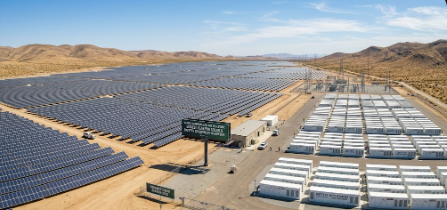
A vast array of renewable energy infrastructure showcasing the biggest year for solar and battery deployment in history.

Power plant operators are adding a massive 86 gigawatts (GW) of new utility-scale electric capacity to the United States power grid. According to recent data from the U.S. Energy Information Administration (EIA), this historic surge makes 2026 the biggest year for solar and battery deployment in history. Clean energy technologies completely dominate this expansion. Consequently, this massive shift fundamentally changes how the national grid maintains its daily reliability. For example, solar power alone now accounts for more than half of all new power capacity. Because developers are building these clean power plants at an unprecedented speed, the energy sector is experiencing a true revolution. Therefore, traditional fossil fuel sources are quickly losing their dominant market position to cheaper, cleaner alternatives.

How Solar Power Drives the Biggest Year for Solar and Battery Deployment

Solar energy acts as the main engine behind this year’s record-breaking numbers. Specifically, developers plan to install 43.4 GW of new utility-scale solar capacity this year. This represents a staggering 60% increase in capacity additions compared to last year. As a result, solar farms now provide the majority of the new energy flowing into the national power grid.

Texas leads the nation by hosting roughly 40% of these new solar installations. For instance, the Tehuacana Creek 1 Solar project in Navarro County, Texas, serves as a prime example of this growth. This single massive facility will add 837 megawatts (MW) of solar power to the grid. Consequently, it ranks as the largest solar project coming online this year. Through projects like this, the state will soon generate more electricity from solar than from coal for the first time.

Eliminating the Nighttime Gap with Massive Battery Pairing

Solar panels generate abundant electricity during sunny days, but they stop producing power when the sun sets. To solve this problem, energy companies are rapidly adopting the “battery pairing” trend. In fact, utility-scale battery storage accounts for 28% of the new energy capacity in 2026. This means developers are adding a record 24 gigawatts of battery storage to the grid.

Furthermore, the industry is moving toward a reliable 2:1 solar-to-battery ratio. These massive batteries store excess solar energy during peak daylight hours. Subsequently, they discharge this stored power into the grid when solar production drops. This process effectively bridges the critical “Nighttime Gap” that previously threatened grid stability.

Texas, California, and Arizona together claim about 80% of this new storage capacity. For example, developers are building the Lunis Creek Battery Energy Storage System (BESS) in Jackson, Texas. This massive facility will deliver 621 MW of storage capacity, making it one of the largest storage farms in the country. Therefore, cities can confidently rely on clean energy even during the darkest hours of the night.

Wind Energy Makes a Powerful Comeback

While solar dominates the headlines, wind energy is also making a huge comeback this year. After a few slow years, annual wind capacity additions are doubling in 2026. Specifically, energy operators plan to bring 11.8 GW of new wind power online. States like New Mexico, Texas, Illinois, and Wyoming will host more than half of these new wind turbines.

The most notable development is the SunZia Wind project located in New Mexico. Once it begins commercial operations, it will feature 916 wind turbines across the state. At 3,650 MW, SunZia will officially become the largest onshore wind project in United States history. Additionally, a 550-mile transmission line will transport this wind energy directly to major markets in Arizona and California.

Analyzing the Cost-Efficiency and High Return on Investment

If you analyze the energy market closely, you will see a massive shift in financial returns. Today, combining solar panels with battery storage costs less than building and operating traditional natural gas plants. This financial advantage applies directly to major competitive markets like Texas, Arizona, and California.

For a long time, traditional power companies claimed that fossil fuels offered the cheapest electricity. However, rapid technological progress has flipped this dynamic entirely. Renewable energy systems no longer require expensive fuels to run. Instead, they harness free natural resources while battery prices continue to plummet. Consequently, clean energy combinations provide a much safer and more profitable return on investment for developers.

In conclusion, the data clearly proves that 2026 stands out as the biggest year for solar and battery deployment. By deploying 86 gigawatts of new capacity, developers are actively creating a cleaner, more resilient power system. This incredible growth protects the environment while significantly reducing electricity generation costs across the country. To discover more detailed statistics and insights about this historic shift, you can read the official announcement on the U.S. Energy Information Administration website.

References

  • U.S. Energy Information Administration (EIA). (2026). Preliminary Monthly Electric Generator Inventory.
  • Union of Concerned Scientists. (2026). New Records Set in the Renewable Energy Marathon.

Energy Online / LCG Consulting. (2026). EIA Estimates Record U.S. Electric Generating Capacity Additions.

 Why Hybrid Solar-Wind-Battery Systems are Now Cheaper than Gas

A modern home using Hybrid Solar-Wind-Battery Systems to provide 24/7 renewable energy.

The global energy market just reached a historic turning point today, May 12, 2026. For years, critics argued that renewables could not power the world because the sun sets and the wind stops blowing. However, a new report from the International Renewable Energy Agency (IRENA) confirms that Hybrid Solar-Wind-Battery Systems have officially killed the “nighttime gap.” These integrated setups now provide cheaper, more reliable electricity than traditional fossil fuels like coal and gas.

Understanding the New Firm Cost Spec

In the past, engineers measured solar and wind costs separately. Today, the industry uses a new financial benchmark called the “Firm Cost.” This refers to the price of providing guaranteed, round-the-clock power. Currently, Hybrid Solar-Wind-Battery Systems deliver energy at a rate of $54 to $82 per MWh.

In contrast, new gas projects now exceed $100 per MWh globally. This price gap exists because gas prices remain volatile, while the technology for renewables keeps improving. Consequently, building a hybrid renewable plant is now a smarter financial move than building a new gas plant. For a civil engineer or developer, this means the “spec” for any new project should focus on integrated systems rather than solar alone.

The Power of Solar-Wind Synergy

Why do these systems work so well together? The secret lies in their “complementary profiles.” Usually, solar panels produce the most energy during the hot afternoon hours. Conversely, wind speeds often peak at night or during stormy weather when the sun is hidden.

Modern 2026 hybrid inverters act as the “brain” of this operation. They manage both wind and solar inputs simultaneously and feed them into a single battery bank. For example, if a heavy storm blocks the sun, the wind turbine speeds up to fill the gap. This synergy ensures that Hybrid Solar-Wind-Battery Systems provide true 24/7 stability for the power grid without needing a gas backup.

The 93% Drop in Battery Costs

The most significant reason for this shift is the massive drop in storage prices. Since 2010, battery costs have plummeted by a staggering 93%. In the early 2020s, a whole-home battery was a luxury item that only wealthy homeowners could afford. Today, it is a standard part of every solar quote.

Because storage is so affordable, Hybrid Solar-Wind-Battery Systems can store excess daytime energy for use at night. This eliminates the need to buy expensive “peak” power from the utility company. Furthermore, smaller, more efficient battery cells allow for compact designs that fit easily into residential garages or utility rooms.

Improving ROI with Carbon Credits

New regulations are also making these systems more profitable for communities. This week, Verra approved the VMR0017 methodology, which changes how we track carbon credits. This new system allows grid-connected solar and wind projects to generate high-integrity carbon credits more easily.

As a result, investors see a much faster return on investment (ROI). When a community installs Hybrid Solar-Wind-Battery Systems, they don’t just save money on their electric bills. They also earn credits that they can sell to corporations looking to offset their carbon footprint. This extra income stream makes the transition to green energy even more attractive for large-scale civil engineering projects.

Choosing Energy Independence

The era of relying on expensive, polluting gas plants is ending. By combining the strengths of the sun, the wind, and advanced storage, we have created a reliable energy solution. Hybrid Solar-Wind-Battery Systems offer a path to energy independence that is both environmentally friendly and budget-conscious.

Whether you are designing a single home or a massive industrial park, the data is clear. Integrated renewables are the new gold standard for the modern world. To learn more about the technical specifications of these systems, you can visit the International Renewable Energy Agency website.

References

  • International Renewable Energy Agency (IRENA). (2026). Renewable Power Generation Costs in 2025.
  • Verra. (2026). Methodology VMR0017: Grid-Connected Solar and Storage Integrity.

Global Energy Monitor. (2026). The Shift from Gas to Firm Hybrid Renewables.

 Lego for Adults: How AI-Driven Smart Inverters are Revolutionizing DIY Solar in 2026

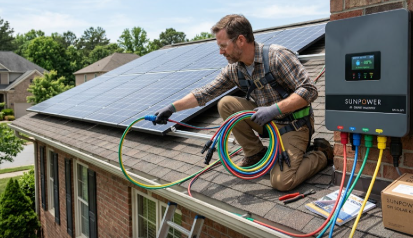
A homeowner installing a DIY solar kit featuring modern AI-driven Smart Inverters with color-coded plug-and-play cables.

The world of home power is changing fast. For many years, installing solar panels was a job only for experts. Today, on May 11, 2026, things look very different. The biggest news in the energy world is not just the panels on the roof. Instead, everyone is talking about Smart Inverters and how they make DIY solar possible for everyone.

These new systems work like “Lego for adults.” You no longer need to be a professional electrician to set up your own power station. Companies have designed these kits to be simple, safe, and very clever. Because of this, more homeowners are taking control of their electricity bills than ever before. In this article, we will explore how these devices are changing the way we use the sun.

The App-First Revolution in Smart Inverters

In the past, checking your solar power was hard. You often had to use a tool called a multimeter to test wires. Now, the latest 2026 DIY kits from brands like EcoFlow and Aiko have changed the game. These kits feature Smart Inverters that talk directly to your smartphone. They use local Wi-Fi or Bluetooth to send data straight to an app.

This “app-first” design means you can see exactly how much power each panel produces. If a tree shades one panel, your phone will tell you immediately. You do not need to touch any dangerous wires to know if the system is working. This level of control makes the technology feel like a high-tech toy rather than a scary machine. It gives you peace of mind because you can monitor your energy from your living room sofa.

Predictive Harvesting and AI Forecasts

One of the most exciting features of 2026 technology is “Predictive Harvesting.” Modern Smart Inverters do more than just convert power. They actually think ahead. The mobile app connects to your local weather forecast to see what the day will be like. If the AI sees a very hot afternoon coming, it acts quickly to save you money.

For example, the app might suggest that you “pre-chill” your home in the morning. It uses extra solar power to run the air conditioning while the sun is bright. This way, your house is already cool before the expensive peak-heat hours arrive. By using AI to plan ahead, these systems maximize your return on investment. You are not just catching sunlight; you are using it in the smartest way possible.

Lego-Style Wiring for Easy Setup

Setting up solar panels used to involve complex wiring and a lot of math. However, the hardware in 2026 uses a “Rapid-Connect” system. This shift to Lego-style connectors has lowered the barrier for beginners. Most new Smart Inverters come with unified, color-coded cables. These cables only fit into the correct slots, making it nearly impossible to wire the system incorrectly.

Imagine plugging in a computer or a television. It is now that simple to connect your solar panels to your battery and the grid. This “plug-and-play” method saves hours of frustration. It also makes the whole process much safer for the average person. Since you cannot mix up the wires, you can feel confident building your own energy system over a single weekend.

The Growth of Hybrid Smart Inverters

This month, the fastest-growing category in home energy is the Hybrid System. These systems combine the power of the grid with a local battery. Many DIYers choose a 5kWh battery to go along with their Smart Inverters. This setup allows you to stay connected to the main power grid for safety while still saving a lot of money.

The battery helps you “shave” your costs during peak hours. During the day, the system stores extra energy in the battery. When the sun goes down and electricity prices go up, the system switches to battery power. This happens automatically without you ever flipping a switch. It is a perfect balance of independence and reliability.

If you want to learn more about the technical details of modern solar setups, you can read this guide on energy efficiency.

References

  • EcoFlow. (2026). AI-Driven Smart Inverters Transform Solar Power. EcoFlow Blog.
  • SolarVision AI. (2026). 2026 Hybrid Inverter Guide: Maximize Home Savings.
  • Synergy PV Renewables. (2026). How 2026 AI Solar Smart Systems Forecast Power Usage.
  • SolarTech Online. (2026). Solar Panel Kits: Complete 2026 Buyer’s Guide.

Breaking the 30% Barrier: Why Perovskite Tandem Cells are 2026’s Solar Holy Grail

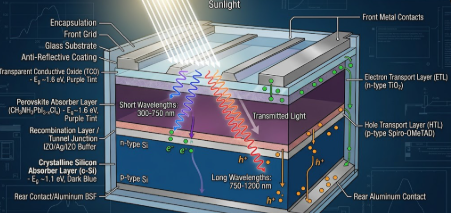
A cross-section diagram of Perovskite Tandem Cells showing the double-layer light absorption mechanism.

The global energy landscape shifted significantly this week. For decades, engineers relied on standard silicon panels that plateaued at around 22% efficiency. However, the commercial release of Perovskite Tandem Cells has finally shattered the 30% efficiency barrier. This milestone represents more than just a minor upgrade; it is a fundamental shift in how we design and power modern structures. By layering materials, manufacturers have created a “Holy Grail” of renewable energy that maximizes energy harvest from the same surface area.

Understanding the Double Layer Mechanism

To understand why Perovskite Tandem Cells are so effective, we must look at the solar spectrum. Traditional panels use a single layer of silicon, which can only convert a specific range of light into electricity. In contrast, tandem cells use a “double layer” design. The top layer, made of perovskite, is specifically tuned to capture high-energy blue light.

Meanwhile, the bottom silicon layer captures the lower-energy red and infrared light. Because these two materials work in tandem, the panel harvests a much wider range of the solar spectrum than any previous technology. This dual-action approach allows the cell to exceed the theoretical limits that once constrained traditional silicon-only models.

Solving the Stability and Moisture Problem

In the past, civil engineers and developers were skeptical of perovskite due to its sensitivity to moisture. Early prototypes degraded quickly when exposed to the elements. However, the 2026 models of Perovskite Tandem Cells feature advanced encapsulation techniques. These innovations protect the layers from humidity and temperature fluctuations. Consequently, manufacturers now offer 25-year performance warranties. This durability matches standard panels, making them a reliable choice for long-term infrastructure projects and large-scale residential developments.

Faster ROI and Structural Benefits

The high efficiency of Perovskite Tandem Cells directly impacts the bottom line of construction projects. Because these panels produce significantly more power per square meter, you need fewer units to meet energy requirements. This reduction leads to lower costs for mounting hardware and labor during installation. Furthermore, the faster “payback period” makes solar investments more attractive to clients. For a detailed look at the chemical composition of these new layers, you can read more at Solar Power World.

References

  • International Renewable Energy Agency (IRENA). (2026). Solar Technology Advancements.
  • Journal of Photovoltaics. (2025). Stability Improvements in Perovskite-Silicon Tandem Structures.

Global Solar Council. (2026). Market Trends in High-Efficiency Solar Modules.