Beyond Red Mud: Technical Specs of Compressed Earth Bricks

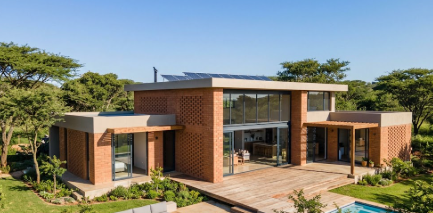
A beautifully finished modern African home built using interlocking Compressed Earth Bricks.

In 2026, soaring cement prices place a massive financial burden on self-builders and property developers across Africa. Consequently, engineers and builders actively seek cost-effective structural solutions. Today, Compressed Earth Bricks trend heavily as a premium, load-bearing alternative for modern construction projects. You must understand that these blocks differ entirely from traditional, fragile mud bricks. Builders use mechanical presses to turn local soil into highly durable building units. Therefore, they offer superior structural integrity and financial savings compared to standard sand-crete blocks. In this article, we will explore the technical specifications that make these earth blocks an excellent choice for your site.

The Stabilization Spec Ratio for Compressed Earth Bricks

Many people still confuse modern earth building with old-school mud huts. However, modern Compressed Earth Bricks use a precise stabilization spec ratio to ensure longevity. Engineers mix local laterite soil with just 5% to 8% Portland cement or lime. Afterward, they mechanically compress the mixture to remove air pockets and maximize density. Because builders only need a tiny fraction of cement, this method drastically reduces the total structural cost.

For example, if you build a standard three-bedroom house, this 5% ratio saves you millions of Naira on cement purchases. Furthermore, this small addition of a chemical stabilizer permanently binds the soil particles together. Thus, water cannot wash the walls away, even during intense tropical rainstorms.

Compressive Strength Benchmarks of Compressed Earth Bricks

When you design a load-bearing wall, you need materials that can safely support the roof and concrete floors. Therefore, we must look at the hard engineering data. A properly cured batch of Compressed Earth Bricks achieves a compressive strength ranging from 4.0 to 7.0 MPa. Interestingly, this impressive number easily meets, and often exceeds, the 3.5 MPa regulatory standard required for standard residential sand-crete blocks.

Consequently, you can confidently use these stabilized earth blocks for single or double-story buildings without worrying about structural failure. Moreover, because heavy machines compress the soil so tightly, these blocks resist cracking far better than traditional hollow blocks. Builders consistently report fewer breakages during transport and handling on the construction site.

Thermal Mass Advantages of Compressed Earth Bricks

Beyond structural strength, Compressed Earth Bricks provide an incredible indoor climate advantage. These solid, dense walls feature massive thermal inertia. Specifically, they absorb the intense midday tropical heat instead of letting it pass directly into the living spaces. Later, the walls slowly release this stored heat at night when the outside air cools down.

As a result, the bricks naturally maintain an indoor temperature that remains 3°C to 5°C cooler than the outside environment. Therefore, homeowners stay perfectly comfortable without running expensive air conditioning hardware all day. Ultimately, this natural insulation lowers long-term electricity bills significantly while keeping the home perfectly cool and well-ventilated.

The Interlocking Dry-Stack Build System

Finally, the modern interlocking design completely revolutionizes how masons assemble structural walls. Compressed Earth Bricks often feature engineered male and female grooves that fit together securely, much like Lego pieces. Because of this precise fit, masons require zero mortar layers between the horizontal joints during wall construction.

Consequently, this innovative dry-stack system cuts labor time by a massive 40%. Additionally, the interlocking system creates a beautifully smooth, aligned surface on both sides of the wall. Therefore, you completely eliminate the need for expensive external plastering and rendering. The builder simply applies a clear water-repellent sealant to protect and highlight the beautiful natural earth finish.

Conclusion

In conclusion, Compressed Earth Bricks offer an unbeatable combination of structural strength, massive cost savings, and advanced thermal comfort. By switching to this modern building method, you protect your budget from unpredictable cement costs while delivering a superior, eco-friendly building. As civil engineering practices continue to evolve in Africa, adopting smart, locally sourced materials becomes absolutely necessary for sustainable development. If you want to learn more about the exact soil testing procedures for stabilizing earth blocks, you can explore further reading at the Practical Action engineering resources page.

References

  • Guillaud, H., Joffroy, T., & Odul, P. (1995). Compressed Earth Blocks: Manual of Design and Construction. Vieweg.
  • Adam, E. A., & Agib, A. R. A. (2001). Compressed Earth Block Manufacture. United Nations Industrial Development Organization (UNIDO).

 Local-First Smart Homes: The Ultimate 2026 Privacy Flex

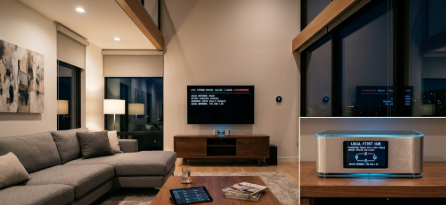
A sleek modern living room controlled by Local-First Smart Homes technology showing a hub processing data without a cloud connection.

The year 2026 has changed how we think about our living spaces. After several massive cloud outages and rising monthly costs earlier this year, many homeowners are making a big switch. They are moving away from “cloud-dependent” devices that stop working when the internet goes down. Instead, everyone is talking about Local-First Smart Homes. This trend, known as “The Local Revolution,” focuses on keeping your data inside your four walls.

In the past, your smart light bulb had to talk to a server thousands of miles away just to turn on. Now, Local-First Smart Homes handle everything right in your living room. This shift offers better security, faster speeds, and more reliability. If you want to own your tech rather than rent it, this is the privacy flex you have been waiting for.

Fast Processing with Edge Technology

One major reason for this shift is the new “Edge” processor. In 2026, smart hubs like the Aqara Camera Hub G350 or the Home Assistant Green have incredible power. These devices do not send your voice or face data to the internet. Instead, they process the information locally on the hardware.

Because the data does not travel to a far-away server, the response time is near-instant. Most Local-First Smart Homes now react in under 50 milliseconds. For example, when you walk into a room, the lights turn on before you can even blink. This speed makes your home feel much more natural and responsive. You no longer have to wait for a “cloud handshake” just to adjust your thermostat.

Reliability via Matter 1.5 and Thread

Connectivity has also seen a massive upgrade with Matter 1.5 and Thread technology. Thread is a low-power mesh network that connects your devices directly to each other. Unlike older systems, it does not rely on your home Wi-Fi or a central router to function. Consequently, your Local-First Smart Homes setup stays fully operational even if your internet provider has an outage.

Imagine a storm knocks out your fiber connection in the middle of the night. In a traditional smart home, your smart locks and alarms might fail. However, a local-first system keeps your locks, lights, and sensors working perfectly. Because the devices talk to a local Matter controller, the lack of internet does not bother them. This reliability provides peace of mind that older systems simply could not offer.

Advanced Privacy as a Hardware Spec

Privacy is no longer just a software setting; it is now built into the hardware. New cameras in 2026 feature “Local Privacy Masks.” These cameras use on-device AI to recognize sensitive areas like a child’s bed or a computer screen. The AI “redacts” or hides these areas before any human or app can view the video feed.

Furthermore, many manufacturers now include physical shutters that slide over the lens when you are home. Since Local-First Smart Homes do not upload video to the cloud, hackers have no central server to attack. You keep your private moments private because the data never leaves your house. This hardware-level security makes these systems the ultimate choice for the privacy-conscious user.

Saving Money on Subscription Fees

Switching to a local setup is also a smart financial move. Many cloud-based brands charge high monthly fees just to save your video history or use advanced features. By choosing Local-First Smart Homes, users are saving an average of $120 every year. You buy the hardware once, and you own the features forever.

In a world where every app wants a monthly subscription, “The Local Revolution” feels like a breath of fresh air. You get professional-grade automation without the “subscription tax.” This cost efficiency is a major selling point for anyone looking to balance a tech-heavy lifestyle with a strict budget. If you want to learn more about the technical standards behind these devices, you can read more about Matter technology here.

References

  • Connectivity Standards Alliance (2026). Matter 1.5 Specification Overview.
  • Home Assistant (2026). The State of the Local Home Report.
  • Smart Home Digest (2026). Why Edge Computing is Replacing the Cloud.
  • Consumer Tech Reports (2026). Annual Subscription Cost Analysis for IoT.

 Goodbye Batteries: Why Battery-Free Smart Home Sensors Rule in 2026

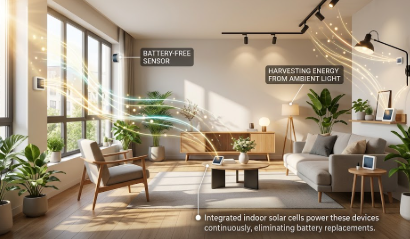
A modern living room featuring Battery-Free Smart Home Sensors harvesting energy from ambient indoor light.

May 2026 has brought a massive shift in how we power our home gadgets. We are finally saying goodbye to the constant hassle of replacing small coin-cell batteries. Battery-Free Smart Home Sensors are now the standard for modern houses. These clever devices do not need a charging cable or a battery swap to function. Instead, they “eat” the energy already floating around your rooms to stay powered forever.

Tech pioneers like Gemns have led this movement. Today, most smart home specifications include devices that harvest their own power. This technology ensures that your home stays smart without adding more tasks to your to-do list. Consequently, the days of finding a dead motion sensor or a non-responsive door alarm are over.

How Battery-Free Smart Home Sensors Harvest Energy

These sensors use a process called “energy harvesting” to stay alive. Essentially, they gather tiny amounts of power from their immediate environment. For instance, some sensors have microscopic solar cells that work perfectly with dim indoor light. Others are even more advanced. They can pull energy from the Wi-Fi signals and radio waves that already fill your home.

Furthermore, some models use temperature fluctuations to create electricity. When the air in your room warms up or cools down, the sensor converts that thermal change into a small power boost. Therefore, the device always has enough energy to send signals to your smart hub. Because they use low-energy protocols like Matter, they only need a tiny “sip” of power to work.

The Power of the Satisfying Click

Another exciting trend in 2026 is the use of kinetic hardware. You might notice new light switches that feel a bit different when you press them. These switches do not have a battery or a wired power source inside. Instead, the physical act of pushing the button creates a tiny pulse of electricity. This is often called the “satisfying click” because you can feel the energy being made.

This small burst provides just enough power to tell your smart hub to turn on the lights. Because of this clever design, you never have to worry about a “dead” switch during a power outage or a battery failure. It works every single time because you provide the power with your finger. This technology makes modern smart homes feel more reliable and mechanical.

Reliability and Maintenance-Free Specs

When you look at the technical specs for a new home today, longevity is a top priority. Battery-Free Smart Home Sensors offer a theoretical lifespan of over 15 years. This duration is impressive because it effectively matches the actual wiring inside your walls. In the past, owning fifty smart sensors meant changing fifty batteries every single year.

Now, you can install a sensor and forget about its existence for a decade or more. This maintenance-free lifestyle is why these sensors are the preferred choice for professional builders and savvy homeowners. They offer peace of mind and save you a significant amount of money on replacement parts over time. Additionally, they reduce the risk of your home security system failing when you are away on vacation.

Saving the Planet with Battery-Free Smart Home Sensors

Sustainability is no longer just a buzzword; it is a legal requirement in many regions. In 2026, the EU and the US have introduced strict “E-Waste Reduction” mandates. These laws push manufacturers to move away from disposable batteries that leak chemicals into the ground. As a result, many new buildings must use hardware that reduces environmental impact.

Battery-Free Smart Home Sensors are the primary tool for meeting these new green standards. They help builders achieve LEED certification by eliminating thousands of toxic batteries over the life of a building. By choosing these devices, you are helping the environment while enjoying the latest technology. It is a win-win situation for both the homeowner and the planet.

To learn more about the latest building standards and green hardware, check out the official USGBC LEED certification guide.

References

  • Gemns Energy Harvesting Whitepaper (April 2026).
  • Global Smart Home Trends Report (May 2026 Tech Summit).
  • European Union E-Waste Directive Update (January 2026).
  • LEED v5 Sustainability Standards for Smart Buildings.

 2026 Dopamine DIY Trends: Swapping Minimalist Greys for Functional Joy

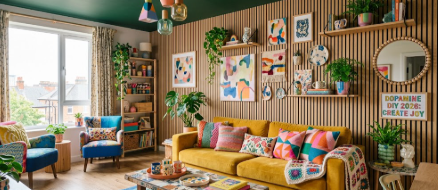
A modern interior showcasing 2026 Dopamine DIY trends with a deep green ceiling and acoustic wood panels.

For many years, minimalist grey and white tones dominated home design. However, the latest data from Yelp’s 2026 Summer Home Trends Report reveals a massive shift in how people renovate. Homeowners are now embracing 2026 Dopamine DIY trends, which focus on high-saturation colors and hardware that sparks personal happiness. Instead of building for the “next buyer,” people are building for their own current comfort. This movement, often called “Dopamine Decorating,” turns standard houses into vibrant, personalized sanctuaries.

This shift is not just about aesthetics; it is about functionality. People want their homes to work harder for them. Consequently, DIY projects are becoming more technical and specific. Whether you are a seasoned builder or a weekend hobbyist, these trends offer a way to mix engineering principles with creative flair. Let us explore the specific projects driving this 16,000% surge in interest.

Painting the Fifth Wall with 2026 Dopamine DIY Trends

One of the most impactful ways to use 2026 Dopamine DIY trends is by looking up. Traditionally, people paint their ceilings white and forget about them. Today, the ceiling is known as the “5th wall.” Yelp reports a staggering 16,000% increase in searches for “Ceiling Painting.” Homeowners are swapping boring white plaster for bold, nature-inspired tones like Deep Forest Green or Warm Charcoal.

This project provides a high impact for a low cost. When you paint a ceiling in a dark, rich tone, you create a “cocoon” effect that makes a room feel cozy and intentional. Furthermore, using a matte finish can hide minor structural imperfections in the ceiling slab or drywall. For the best results, ensure you use a high-quality primer to handle the high-saturation pigments. This simple DIY task completely changes the mood of a living space or bedroom.

Building High-Tech Backyard Theater Systems

Outdoor living has evolved far beyond a simple grill and a couple of chairs. Currently, searches for “Backyard Theater Installations” have risen by 4,000%. This specific trend focuses on creating permanent entertainment zones. Instead of using temporary sheets, DIYers are now installing permanent outdoor projection screens. These screens often feature weather-resistant fabrics that stay tensioned throughout the year.

To match these screens, homeowners are investing in weatherproof short-throw laser projectors. These devices are excellent because they sit close to the screen, which prevents people from walking in front of the light beam. Additionally, these projectors offer high brightness levels that work well even with some ambient light. If you want to master 2026 Dopamine DIY trends in your yard, focus on proper cable management and moisture-proof housing for your hardware.

Creating Acoustic Listening Rooms for Better Sound

Another fascinating project involves the “Listening Room” shift. Many people are converting their spare bedrooms into dedicated spaces for music and relaxation. The technical specification for these rooms usually involves acoustic slat wood panels. These panels are not just for decoration; they serve a vital engineering purpose. The slats break up sound waves, while the felt backing absorbs echoes.

Installing these panels is a straightforward DIY task that yields professional results. You can mount them directly to the wall using adhesive or black screws. Because they provide a high-end architectural finish, they increase the visual appeal of the room instantly. These rooms represent the core of 2026 Dopamine DIY trends by combining technical acoustic treatment with beautiful, tactile materials.

Improving Resale Value with Soundproofed Flex-Spaces

While “Dopamine DIY” sounds like it is only about fun, it also brings a massive boost to resale value. In 2026, home buyers are searching specifically for “soundproofed flex-offices.” Because more people work from home, a quiet environment is a premium feature. You can significantly improve your home’s value by adding sound-rated door seals and Green Glue damping compound to your existing walls.

Green Glue is a specialized substance that you apply between two layers of drywall. It converts sound energy into heat, which effectively “mutes” the room. This DIY project is highly attractive to buyers who need a professional home office or a private gym. By following these 2026 Dopamine DIY trends, you ensure your home is both a joy to live in and a smart financial investment. For more information on the psychology behind these colorful choices, you can read more about Dopamine Decorating on Architectural Digest.

References

  • Yelp Inc. (2026). 2026 Summer Home Trends Report.
  • International Association of Certified Home Inspectors (InterNACHI). Home Soundproofing Technical Guides.

National Association of Realtors. 2026 Home Renovation ROI Analysis.

Why Surface Renovations are the ROI Kings of May 2026

Real estate trends in May 2026 show a massive shift in how homeowners spend their money. Recent data confirms that surface renovations are now the best way to increase a home’s value without spending a fortune. Instead of tearing down walls, smart owners focus on what people see first. These “minor cosmetic remodels” are currently outperforming full-scale gut renovations in almost every market. If you want the most “bang for your buck,” you should look at refreshing your existing space rather than starting from scratch.

The Power of the 90% Recovery Spec

When you plan a home update, you must consider the Return on Investment (ROI). In 2026, a full $80,000 kitchen renovation rarely pays for itself, as it often returns less than 60% of its cost at resale. However, a minor kitchen remodel—which includes surface renovations like refacing cabinets and updating lighting—is a different story. These projects typically return between 90% and 100% of their cost.

For example, if you spend $5,000 on high-quality surface updates, you might add exactly $5,000 or more to your home’s asking price. Buyers today value a “move-in ready” look over a luxury layout that they didn’t choose themselves. Consequently, focusing on the visible layers of your home protects your bank account while making your property stand out.

Why Modular Door Swaps Win Over Replacement

One of the top DIY projects trending today is kitchen cabinet refacing. In the past, people spent weeks sanding and painting old doors. Today, DIYers use modular door swaps to get a professional look in a single weekend. Instead of replacing the entire cabinet box, you simply order custom-sized Shaker-style doors that fit your existing builder-grade boxes.

This method saves thousands of dollars in labor and material costs. Furthermore, many people are now using high-tensile vinyl wraps to change the color of their cabinet frames. These wraps provide a factory-smooth finish that paint cannot match. Because you keep the original “bones” of the kitchen, you avoid the mess of a demolition while achieving a brand-new aesthetic.

Modernizing with Trending Hardware Specs

You can instantly modernize a home for under $200 by focusing on small details. In May 2026, the trending hardware specs are Matte Black and Brushed Nickel. Swapping out dated, shiny brass or chipped chrome handles for Matte Black hardware creates an immediate impact. It gives the kitchen a grounded, contemporary feel that buyers love.

In addition to handles, you should consider your faucets and hinges. When these elements match, the entire room feels cohesive. Because these updates are so simple, almost any homeowner can complete them. These small surface renovations act like jewelry for your home, adding a polished touch that suggests the house has been well-maintained.

The High-Impact Lighting Glow-Up

Lighting is another area where surface renovations provide a massive “glow-up” for very little money. The current gold standard for DIY lighting is the installation of Wireless COB (Chip on Board) LED strips. Unlike old LED strips that show individual “dots” of light, COB strips provide a continuous, smooth beam.

You can stick these strips under your cabinets or along toe-kicks to create a high-end, custom look. Since they are wireless and rechargeable, you do not need to hire a professional electrician. This simple addition makes your kitchen look expensive and warm during evening viewings. It is a perfect example of how modern technology makes high-value home improvement accessible to everyone.

Final Thoughts on Choosing Surface Renovations

Choosing surface renovations over a total remodel is a strategic financial move. You save time, reduce waste, and keep more money in your pocket during the sale. By focusing on high-impact areas like cabinet doors, modern hardware, and smart lighting, you create a home that looks brand new for a fraction of the cost. For more detailed technical guides on home materials and structures, you can visit the International Code Council (ICC) website to ensure your updates meet the latest safety standards.

References

  • Global Property Journal (May 2026 Edition): “The Shift Toward Cosmetic ROI.”
  • National Association of Remodeling Industry: “2026 Cost vs. Value Report.”
  • DIY Tech Monthly: “The Evolution of COB LED Technology in Home Design.”

 Why Ventless Heat-Pump Dryers are the No. 1 DIY for Boosting Rental Income

A compact laundry closet featuring modern Ventless Heat-Pump Dryers for a rental apartment.

In 2026, property owners face a competitive market where every square foot must work hard to generate profit. Many landlords are now turning to Ventless Heat-Pump Dryers as a secret weapon to transform small closets into high-value laundry rooms. Because these units do not require a hole in the wall for exhaust, you can install them almost anywhere. This simple DIY upgrade quickly turns a basic apartment into a premium living space that attracts high-paying tenants.

Understanding the Hardware Behind Ventless Heat-Pump Dryers

Traditional dryers work by heating air and blowing it through a vent to the outside. In contrast, Ventless Heat-Pump Dryers function like a “reverse air conditioner.” The machine pulls moisture out of your clothes and condenses it into water. This water then goes into a small tank or directly down a drain pipe. Since you do not need to install complex ductwork, you can place these units in interior closets or under kitchen counters.

Massive Savings with Energy Efficiency Specs

Energy costs are a major concern for both landlords and tenants in 2026. Fortunately, these modern units use 50% to 70% less electricity than old-fashioned vented models. This efficiency happens because the system recycles the heat instead of venting it out of the house. Furthermore, many regions now offer a “Green Appliance” tax rebate of up to $800 for installing this technology. Consequently, the government essentially pays for a large portion of your upgrade.

The All-in-One Convenience for Modern Tenants

Today’s renters value convenience more than ever before. The latest 2026 models often come as “all-in-one” washer-dryer combos. This means a tenant can drop a load of dirty laundry into the machine before work and return home to dry, clean clothes. They never have to move wet, heavy laundry from one machine to another. This “set and forget” lifestyle is a massive selling point that helps your property stand out from the competition.

Calculating Your Rental ROI

Adding laundry is one of the smartest financial moves a property owner can make. Recent data shows that adding in-unit laundry can increase your rental value by 15–20%. For example, if your rent is $1,000, you could potentially charge $1,200 after installing Ventless Heat-Pump Dryers. Since these units cost around $1,200 to purchase, you will recover your entire investment in just six months. This high return on investment makes it the top DIY project for the year.

Why DIY Installation is Easier Than Ever

Because you do not need to cut through exterior walls, the installation process is straightforward. Most Ventless Heat-Pump Dryers only require a standard 120V power outlet and access to a water line. If you have a small closet near a bathroom or kitchen, you can easily tap into the existing plumbing. This simplicity allows you to avoid expensive contractor fees and complete the project over a single weekend.

References

  • Department of Energy: Energy Star Efficiency Ratings for Heat Pump Technology (2025).
  • National Apartment Association: Impact of In-Unit Laundry on Rental Premium Trends.
  • Green Building Council: 2026 Tax Rebate Guidelines for High-Efficiency Appliances.

For more information on the technical specifications of energy-efficient appliances, you can visit EnergyStar.gov.