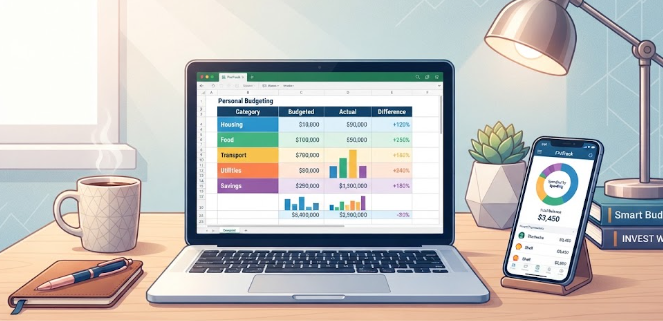
Learning how do I create a realistic monthly budget that I can actually stick to is essential for mastering your personal finances. Rising living costs and inflation make tracking cash flow very important. Many people fail at budgeting because they build plans that are far too strict. You do not need to give up every small joy to manage your income wisely. Instead, you need a flexible strategy that matches your daily lifestyle.
This guide breaks down practical steps to help you control your money effortlessly. You will discover popular budgeting systems, helpful software apps, and simple rules that keep you on track.
Calculate Your Real Take-Home Pay First
Before setting up spending categories, you must calculate your actual monthly income. Many individuals make the mistake of using their gross salary before taxes and pay deductions. Check your bank statements to verify the exact cash amount that lands in your account every payday.
If you work as a freelancer or run a side hustle, your earnings change regularly. Calculate your average monthly income over the past three to six months to create a safe baseline. Basing your spending numbers on conservative earnings keeps you safe during slower months.
| Income Type | Calculation Method | Why It Works |
| Fixed Salary | Exact net pay per paycheck $\times$ frequency | Prevents overestimating available cash |
| Variable / Freelance | 3 to 6-month average or lowest month baseline | Protects against dry spells and income drops |
Track Your Essential Costs and Wants
To solve the puzzle of how do I create a realistic monthly budget that I can actually stick to, you need to trace your previous spending. Review your bank records and card statements for the last two months. Group your purchases into two simple main groups: fixed costs and variable costs.
Fixed expenses include housing, insurance, loan payments, and basic utility bills. Variable costs cover groceries, dining out, entertainment, and personal shopping. Grouping expenses this way shows you where your cash goes each month and highlights easy areas for cutting back.
Popular Budgeting Frameworks Compared
Choosing a structured framework simplifies your daily money choices. You can pick a method that fits your personality instead of forcing a rigid system that causes stress.
YOUR TAKE-HOME PAY
│
┌──────────────┼──────────────┐
▼ ▼ ▼
50% Needs 30% Wants 20% Savings
(Housing, Bills) (Dining, Fun) (Debt, Goals)
The 50/30/20 Rule
This framework splits your net income into three distinct percentage buckets:
- 50% for Needs: Essential spending like rent, utilities, minimum loan bills, and groceries.
- 30% for Wants: Fun spending like hobbies, eating out, streaming services, and travel.
- 20% for Financial Goals: Direct deposits into savings, extra debt payoffs, and investments.
This simple framework offers huge flexibility. You can adjust percentages slightly if living expenses in your city are higher.
Zero-Based Budgeting
In zero-based budgeting, you assign every dollar a specific job until your income minus expenses equals zero. You map out every cent toward bills, groceries, fun, or savings before the month starts. This technique prevents impulse spending because unallocated cash does not sit idly in your account.
Pay-Yourself-First (Reverse Budgeting)
If tracking every coffee purchase feels exhausting, try reverse budgeting. You immediately route money to your savings accounts and loan balances on payday. After paying those goals, you freely spend the remaining money on your routine living costs without guilt.
Tools and Apps to Maintain Your Plan
Using modern digital tools removes tedious manual math from your routine. You can use custom Google Sheets templates if you prefer manual control over your numbers.
If you prefer mobile convenience, apps like YNAB (You Need A Budget), Monarch Money, and PocketGuard link directly to your accounts. They categorize transactions automatically and alert you when spending approaches your set category limits.
Add a Buffer to Prevent Failure
A main reason budgets fail is that people forget irregular costs like annual insurance fees, gift shopping, or car maintenance. When these unexpected bills arrive, they ruin your whole plan.
You can fix this issue by creating a miscellaneous buffer category in your monthly spreadsheet. Allocate 5% to 10% of your flexible funds for small surprise costs. Setting aside a buffer builds breathing room so one unexpected bill will not destroy your progress.
Review Your Plan Every Month
Your budget is a living document that must adapt as your daily life changes. Schedule a quick 10-minute check-in every week to update transactions and check category balances.
At the end of each month, compare your planned targets against actual spending totals. Adjust your numbers up or down for the upcoming month based on real patterns. Consistent small check-ins ensure long-term success. For more insights on building financial security, visit Investopedia for further reading on personal finance strategies.
References
- Consumer Financial Protection Bureau. “Creating a Monthly Household Budget Worksheet.” CFPB Educational Resources (2025).
- U.S. Financial Literacy and Education Commission. “MyMoney Five: Manage and Plan Your Money.” MyMoney.gov (2026).
- National Foundation for Credit Counseling. “Strategic Budgeting and Debt Management Frameworks.” NFCC Guidelines (2025/2026).