How to Tell the Difference Between Normal Muscle Soreness and Nerve Pain

Graphic illustrating the difference between normal muscle soreness and nerve pain along leg nerve pathways.

After a heavy workout or a long day of physical work, you might wake up with aching legs or a tender back. However, understanding the difference between normal muscle soreness and nerve pain is crucial for choosing the right recovery plan. While both conditions create physical discomfort, your muscles and nervous system send very different signals to your brain.

What Does Normal Muscle Soreness Feel Like?

Muscle pain usually feels dull, achy, and localized in a specific area. For example, if you perform heavy leg squats at the gym, your thigh muscles will feel tight and tender for two or three days. Doctors call this feeling delayed onset muscle soreness (DOMS). Furthermore, sore muscles react predictably when you press on them or rest them. When you apply an ice pack or stretch gently, muscle discomfort gradually disappears.

Recognizing the Signs of Nerve Pain

In contrast, nerve pain produces distinct sensations that often feel sharp, burning, or electric. When a herniated disc or tight muscle pinches a nerve, you experience sudden shooting pain down your limb. For instance, sciatic nerve irritation sends burning pain from your lower back all the way to your foot. Additionally, nerve issues frequently cause numbness, tingling, or a heavy, aching feeling in your leg.

Key Factors in the Difference Between Normal Muscle Soreness and Nerve Pain

To quickly identify your discomfort, pay close attention to how your pain behaves during daily movement. First, location matters significantly. Muscle soreness stays strictly within the worked muscle group, whereas nerve pain travels along a continuous path.

Second, posture changes heavily influence nerve pressure. Sitting for long periods or bending forward compresses your spine, triggering immediate nerve flare-ups. On the other hand, muscle soreness remains constant regardless of whether you sit, stand, or lie down.

Common Examples and Everyday Triggers

Consider an everyday scenario to see the contrast clearly. Imagine lifting heavy boxes while moving into a new home. If you strain your lower back muscles, your back feels stiff, aching, and tender to the touch the next morning.

However, if a heavy box compresses a spinal disc, the irritated nerve sends sharp electric shocks down your leg whenever you take a step. Therefore, observing how specific movements alter your pain helps you pinpoint the exact cause quickly.

Simple Treatment Methods for Each Pain Type

Because muscles and nerves require different care, you must tailor your treatment strategy carefully. For muscle soreness, taking rest, staying hydrated, and applying ice packs reduces local inflammation quickly.

Conversely, nerve pain responds much better to gentle movement, posture adjustment, and targeted physical therapy. Performing simple nerve-gliding stretches can free trapped nerves and restore normal mobility without straining your joints.

When to See a Doctor and Next Steps

In summary, recognizing the difference between normal muscle soreness and nerve pain ensures you take the right steps toward recovery. While muscle tenderness improves naturally within a few days, persistent nerve burning or numbness requires proper medical evaluation. If your symptoms worsen or cause severe leg weakness, consult a healthcare provider immediately. For additional medical insights on identifying nerve symptoms, read the detailed WebMD Guide to Nerve Pain Symptoms.

References

  • Cleveland Clinic. (2023). Muscle Soreness vs. Nerve Pain: How to Tell the Difference.
  • Mayo Clinic. (2023). Nerve Pain (Neuropathy) Causes and Symptoms.
  • WebMD. (2022). Understanding Neuropathic Pain.

When Are Numbness, Tingling, and Radiating Leg Pain a Medical Emergency?

Medical illustration showing spinal nerve compression causing numbness, tingling, and radiating leg pain.

Most back discomfort improves with rest and simple physical therapy. However, experiencing severe numbness, tingling, and radiating leg pain can suddenly signal a much more critical health issue. While mild nerve irritation causes uncomfortable sensations, severe nerve compression requires immediate medical attention to prevent permanent damage.

Understanding Numbness, Tingling, and Radiating Leg Pain

Nerves transmit important electrical signals between your brain and your limbs. When a bulging disc or bone spur squeezes a nerve root, those electrical signals scramble. For example, sitting for hours might trigger a burning ache that travels down your thigh. In most cases, targeted stretching and anti-inflammatory medications relieve this discomfort over time. However, when nerve pressure increases rapidly, your body displays severe warning signs that you must never ignore.

Red Flag Symptoms That Require Urgent Care

Doctors warn that specific symptoms indicate a true medical emergency. First, sudden leg weakness makes walking or standing up nearly impossible. For instance, if your foot suddenly drops when taking a step, severe nerve compression is occurring. Second, losing control of your bowel or bladder requires immediate emergency room treatment. This unexpected loss of function shows that compressed nerves can no longer govern your pelvic organs properly.

What Is Cauda Equina Syndrome?

One of the most dangerous causes of severe nerve symptoms is cauda equina syndrome. This rare medical condition occurs when a massive disc herniation compresses the entire bundle of nerves at the base of your spinal cord. Consequently, you may lose sensation in your groin, buttocks, and inner thighs.

Doctors call this specific symptom saddle anesthesia because it affects the exact body areas that touch a horse saddle. If you experience saddle numbness along with numbness, tingling, and radiating leg pain, seek emergency surgery right away.

How Doctors Diagnose and Treat Spinal Emergencies

When you arrive at an emergency room with severe spinal symptoms, doctors act quickly. First, medical staff perform a thorough physical exam to check your muscle strength and reflexes. Next, specialists order an urgent MRI scan to view your spinal cord and nerves clearly.

If diagnostic scans confirm cauda equina syndrome or severe nerve compression, surgeons perform emergency spinal surgery within 24 to 48 hours. Rapid surgical relief prevents permanent paralysis and permanent bladder incontinence.

When to Call Your Doctor vs. Visiting the ER

Distinguishing between mild nerve discomfort and a surgical emergency protects your long-term mobility. Mild stiffness or occasional leg tingling usually warrants a routine visit to your primary care physician.

Conversely, sudden leg paralysis, saddle numbness, or loss of organ control demands immediate emergency care. Therefore, pay close attention to how quickly your symptoms escalate. When in doubt, visiting an emergency room ensures you receive timely evaluation and life-changing care.

Final Thoughts and Next Steps

In summary, recognizing when numbness, tingling, and radiating leg pain become a medical emergency protects your health and independence. While routine spinal physical therapy treats standard nerve compression, sudden loss of function requires immediate emergency intervention. Acting quickly saves delicate nerve tissue from permanent damage and restores your quality of life. For additional medical guidelines on managing acute spine conditions, visit the official Spine-health Emergency Sciatica Guide.

References

  • American Association of Neurological Surgeons. (2022). Cauda Equina Syndrome.
  • Cleveland Clinic. (2023). Spinal Nerve Compression and Red Flag Symptoms.
  • Mayo Clinic. (2023). Sciatica: Emergency Warning Signs.

 Apple iPhone 18 Pro Max Battery Endurance: Is It Worth the Upgrade?

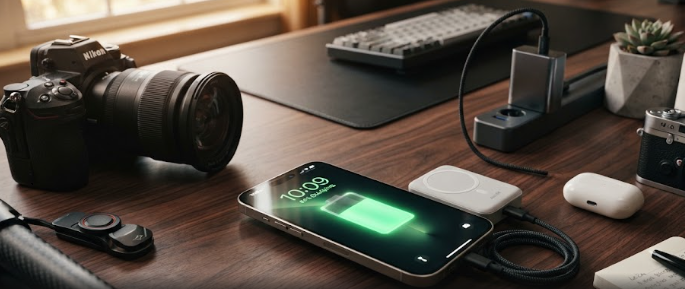
A titanium smartphone highlighting the impressive Apple iPhone 18 Pro Max battery endurance alongside modern accessories.

When users consider buying a new smartphone, they frequently prioritize battery life. Consequently, the Apple iPhone 18 Pro Max battery endurance currently dominates online tech discussions. Apple recently launched this new flagship device with major internal upgrades. For example, the company replaced older processors with the brand-new A20 Pro chip. Furthermore, developers built this processor using a highly efficient 2nm manufacturing process. Because of these hardware changes, buyers want to know if the real-world battery performance justifies the high price tag. Therefore, we will explore the major features of this phone in simple English to help you decide.

How the A20 Pro Chip Improves Efficiency

Apple engineered the A20 Pro chip to balance extreme power with low energy consumption. The processor features a 6-core CPU containing two super cores and four efficiency cores. As a result, the phone handles demanding tasks like high-end gaming without rapidly draining the battery. Moreover, the new 7-core GPU processes graphics 40% faster than the previous generation. In addition, Apple integrated a new vapor-chamber cooling system into the phone. This cooling system actively pulls heat away from the processor during heavy workloads. Ultimately, this exceptional thermal management directly supports the Apple iPhone 18 Pro Max battery endurance.

Real-World Battery Performance and Charging

To deliver maximum power, Apple equipped this device with a massive 5,391 mAh battery. This capacity represents an 11.7% increase over the previous iPhone 17 Pro Max. Consequently, the phone provides up to 45 hours of video playback on a single charge. For instance, you can confidently use GPS navigation, stream music, and record videos all day without searching for a charger. Furthermore, the device supports ultra-fast charging capabilities. If you use a 60W USB-C adapter, you can restore 50% of the battery in just 15 minutes. Meanwhile, a brief five-minute charge yields an impressive seven hours of video playback.

Understanding the Pro Camera Array Upgrades

Beyond battery improvements, Apple drastically updated the rear camera system. The device sports a 48MP Fusion Main camera that now features a variable aperture. This means the camera lens can physically open wider to an f/1.48 setting to capture more light in dark rooms. Alternatively, the lens can close to an f/4.0 setting to keep group photos perfectly in focus. Moreover, Apple included an incredible 12MP telephoto lens that achieves an 8x optical zoom. Therefore, you can capture distant subjects clearly without losing image quality.

Titanium Build and Ergonomic Design

Apple continues to use a strong titanium chassis for this flagship model. This premium material keeps the large phone relatively lightweight and highly resistant to daily drops. In addition, Apple redesigned the front display by hiding the infrared camera underneath the screen. Consequently, the company successfully shrank the Dynamic Island notch, giving users more visible screen space for notifications. Furthermore, the internal layout changes make heat dissipation much more effective. This improved weight distribution and cooler chassis make the device comfortable to hold during long gaming sessions.

Software Optimizations and Siri AI

To maximize the hardware capabilities, Apple developed the newest iOS version with deep artificial intelligence integration. For example, the updated Siri assistant processes your voice commands faster and understands complex questions. Furthermore, the software dynamically manages background applications to conserve energy. Whenever you leave an app open, the operating system intelligently pauses it. As a result, these clever software optimizations heavily boost the overall Apple iPhone 18 Pro Max battery endurance.

Final Buying Advice: Should You Upgrade?

Ultimately, you must evaluate your current smartphone before making a purchase. If you currently own the iPhone 15 Pro Max or iPhone 16 Pro Max, you might not need this upgrade immediately. However, if you use an older device like an iPhone 13 or 14, this new flagship offers a massive technological leap. The combination of the variable aperture camera, lightning-fast charging, and the remarkable Apple iPhone 18 Pro Max battery endurance makes it a solid investment. Finally, for a more detailed comparison of smartphone specifications and tech trends, you can visit GSMArena for further reading.

References

  • Apple Newsroom, “Apple debuts iPhone 18 Pro and iPhone 18 Pro Max”, September 2026.
  • Notebookcheck, “Apple confirms higher iPhone 18 Pro (Max) battery capacity”, September 2026.
  • Engadget, “iPhone 18 Pro Vs iPhone 18 Pro Max: Comparing Their Displays And Batteries”, October 2026.
  • GSMArena, “iPhone 18 Pro and Pro Max arrive with A20 Pro chip…”, September 2026.
  • AppleInsider, “iPhone 18 Pro review: A massive camera update is just the beginning”, October 2026.
  • Notebookcheck, “iPhone 18 Pro teardown reveals new layouts…”, September 2026.
  • Apple Technical Specifications, “iPhone 18 Pro and 18 Pro Max”, October 2026.

 Samsung Galaxy S26 Ultra: Privacy Display & Snapdragon 8 Elite Gen 5 Tested

 A close look at the Samsung Galaxy S26 Ultra displaying its privacy features.

Tech enthusiasts always expect groundbreaking features from flagship smartphones. This year, Samsung definitely exceeded those expectations. In this detailed review, we explore the Samsung Galaxy S26 Ultra and its exceptional capabilities. Samsung designed this device specifically for professionals, power users, and creative minds who demand top-tier performance.

The smartphone introduces impressive hardware, including a revolutionary screen technology and a cutting-edge processor. Furthermore, it integrates advanced artificial intelligence to simplify your daily tasks. If you need a reliable daily driver that protects your sensitive information and handles heavy workloads, you must consider this smartphone.

The Samsung Galaxy S26 Ultra Privacy Display Innovation

Privacy remains a major concern for mobile users who work in public spaces. Fortunately, the Samsung Galaxy S26 Ultra solves this problem with a built-in, hardware-level Privacy Display. Previously, you had to buy a clumsy screen protector to stop people from snooping. Now, Samsung embeds this technology directly into the pixels of the 6.9-inch QHD+ screen.

When you view the screen straight on, you enjoy a vibrant, crystal-clear experience. However, when someone tries to peek from a side angle, the display significantly dims and becomes unreadable. Interestingly, you do not have to leave this feature on all the time. You can toggle the privacy mode for specific apps. For example, you can activate it automatically for banking apps or private messages. Consequently, this selective activation helps conserve the 5,000mAh battery life, as the hardware restricts viewing angles only when you truly need security.

Performance and Gaming on the Samsung Galaxy S26 Ultra

Power users require seamless multitasking and rapid processing speeds. Therefore, the Samsung Galaxy S26 Ultra packs the formidable Snapdragon 8 Elite Gen 5 chip, built using a 3nm process. This processor delivers unmatched raw performance and graphical fidelity. We tested the smartphone under extended gaming sessions and heavy multitasking workloads. Impressively, the device easily maintained high frame rates without stuttering.

Additionally, Samsung included an upgraded vapor chamber cooling system. This cooling mechanism successfully dissipates heat, ensuring the phone remains comfortable in your hands during intense use. Whether you render 8K video files or play demanding mobile games, the Snapdragon 8 Elite Gen 5 processor executes every task flawlessly. Therefore, this smartphone stands out as a true productivity powerhouse.

S Pen and AI Workflow Integration

Professionals always look for ways to boost their daily productivity. The Samsung Galaxy S26 Ultra integrates the beloved S Pen stylus directly into the device frame. This handy tool offers quick shortcuts for navigating menus and selecting text. Moreover, Samsung expanded its artificial intelligence suite to work seamlessly with the S Pen.

For instance, you can scribble quick notes during a meeting, and the built-in AI will instantly format, summarize, and organize your handwriting into a polished document. The AI workflow also improves document editing. You can easily translate texts, rewrite emails for a professional tone, and extract key points from long articles. Consequently, creators and business professionals will find these smart features incredibly useful for saving time.

Samsung Galaxy S26 Ultra Camera Versatility and Zoom

Photography enthusiasts will immediately appreciate the massive camera upgrades. The Samsung Galaxy S26 Ultra features a stunning 200MP main camera sensor. This massive lens captures incredible detail, even in challenging low-light conditions. Furthermore, the camera system provides an impressive optical zoom range. You get a 10MP 3x telephoto lens and a 50MP 5x telephoto lens to capture different perspectives.

These lenses allow you to capture distant subjects with absolute clarity. Additionally, the device uses AI post-processing to clean up visual noise and enhance colors after you take a photo. For example, the Nightography mode uses AI to scrub out graininess from your nighttime videos. Ultimately, this versatile camera setup rivals professional photography equipment, making it perfect for content creators.

Final Thoughts and Further Reading

The latest Samsung flagship successfully combines robust security hardware with blazing-fast speeds. The innovative privacy screen protects your data, while the Snapdragon processor handles heavy computing tasks effortlessly. Overall, the Samsung Galaxy S26 Ultra solidifies its position as the ultimate smartphone for power users and modern professionals. If you want to learn more about how modern processors improve smartphone capabilities and connectivity, you can read further on the official Snapdragon technology page.

References

  • GadgetMatch, “Privacy Display | Galaxy S26 Ultra”
  • Geeky Gadgets, “Samsung Galaxy S26 Ultra Privacy Display Hands On”
  • Samsung UK, “Samsung Galaxy S26 Ultra | Specs & Features”
  • PCMag Australia, “Samsung Galaxy S26 Ultra – Review 2026”
  • iD Mobile, “Samsung Galaxy S26 Ultra review”

Google Pixel 11 Pro XL Tensor G5: The Next Era of AI Photography

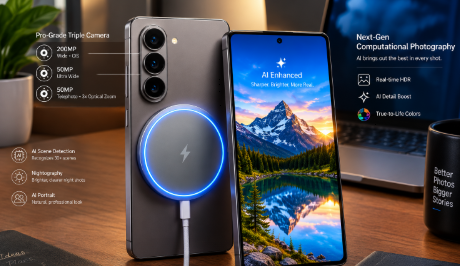
A sleek representation of the Google Pixel 11 Pro XL Tensor G5 showing its advanced camera setup and magnetic charging capabilities.

The Google Pixel 11 Pro XL Tensor G5 marks a massive leap in smartphone innovation. It redefines what users can expect from mobile technology. Google designed this flagship device to handle demanding tasks effortlessly. Furthermore, it blends top-tier hardware with unmatched computational photography. If you want a device that excels in everyday use and professional photography, this phone stands out brilliantly.

Exploring the Google Pixel 11 Pro XL Tensor G5 Performance

The new TSMC-manufactured Tensor chip changes the game completely. Previously, older models faced thermal issues during heavy usage. However, the advanced 3nm process ensures excellent thermal management. Consequently, the phone stays cool even when you play graphic-intensive games or record long videos. The massive 16GB RAM supports these smooth operations. You can switch between complex AI tasks seamlessly. For example, rendering a 4K video while running a heavy gaming app feels incredibly swift. Google finally delivers a processor that easily rivals top competitors in real-world performance.

Pro Res Zoom and Imaging Brilliance

Smartphone cameras often struggle with long-distance clarity, but Google fixes this problem perfectly. The combination of premium hardware and computational photography creates stunning results. The physical telephoto lens captures exceptional detail at optical zoom levels. Beyond that, the AI-driven Pro Res Zoom takes over. It sharpens images at extended digital zoom lengths seamlessly. As a result, you can capture clear photos of a distant concert stage without losing quality. The AI algorithms instantly reduce noise and enhance edge clarity. Therefore, every shot looks crisp and professional.

Magnetic Charging Ecosystem in the Google Pixel 11 Pro XL Tensor G5

Charging habits are evolving, and Google embraces this shift flawlessly. The native magnetic charging implementation, supporting up to 25W speeds with Qi2 technology, introduces a seamless ecosystem of accessories. You just snap the magnetic charger onto the back of your phone, and it aligns perfectly every single time. Moreover, this magnetic system supports faster, more efficient wireless charging. It eliminates the frustration of waking up to an uncharged phone because you bumped the charging pad. You can easily attach magnetic wallets or car mounts, making daily usage much more convenient.

Fluid Software, Gemini AI, and Long-Term Support

Google pairs powerful hardware with its beautifully fluid stock Android software. The interface runs without a single stutter, thanks to the massive RAM and advanced silicon. Furthermore, native Gemini AI feature integration sets a new standard. The AI intelligently anticipates your needs, from sorting emails to suggesting photo edits. You also receive an industry-leading extended update guarantee. Google promises seven years of major OS and security updates. Consequently, your investment remains secure and relevant for a very long time.

Verdict: The Ultimate Android Point-and-Shoot

So, does this device claim the title of the best Android point-and-shoot camera phone? Yes, it absolutely does. It seamlessly combines brilliant optics with unmatched AI processing. The thermal improvements and magnetic charging add fantastic convenience to your daily routine. If you prioritize flawless photography and intelligent software, this phone easily beats the competition. For more detailed tech insights and mobile device comparisons, you can visit TechRadar for further reading on the topic.

References

  • FoneArena: Google Pixel 11 Review
  • GSMArena: Google Pixel 11 Pro XL Review
  • GSMArena: Google Pixel 11 Pro XL Full Phone Specifications
  • Wikipedia: Pixel 11 Pro

 OnePlus 16 9,000 mAh Battery and 2nm Gaming Power Analyzed

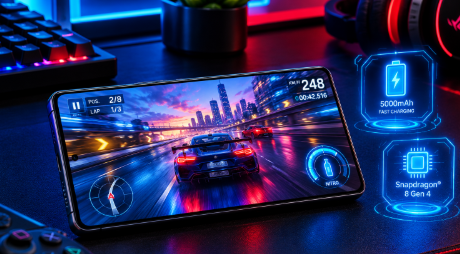
A futuristic smartphone showcasing the OnePlus 16 9,000 mAh battery and 2nm gaming chip on a dark neon-lit desk.

Mobile gamers and power users always demand more from their devices. Therefore, smartphone manufacturers constantly push hardware limits. Today, we analyze a device that shatters previous expectations. The new device introduces an unprecedented power setup for heavy users. Specifically, the OnePlus 16 9,000 mAh battery changes the entire mobile gaming landscape. In this article, we break down how OnePlus achieved this massive capacity and paired it with elite processing power. Furthermore, we explore the new 2nm Snapdragon processor, the storage configurations, and the inevitable design trade-offs. If you travel frequently or play competitive mobile games, this hardware breakdown will help you understand this new powerhouse.

Battery Engineering: Packing the OnePlus 16 9,000 mAh Battery

Many people wonder how engineers fit a massive power source into a slim phone body. OnePlus utilizes an advanced dual-cell battery design to accomplish this feat. Consequently, the company manages to pack the OnePlus 16 9,000 mAh battery without turning the phone into a thick brick. Think of this technology like packing a suitcase; if you use vacuum bags, you can fit twice as many clothes in the same space. High-density silicon-carbon cells allow the manufacturer to store more energy in a smaller physical footprint.

Moreover, this massive capacity does not mean you will spend all day attached to a charger. OnePlus includes 100W wired charging and 50W wireless charging technology. As a result, users can replenish this gigantic power cell in less than an hour. Gamers appreciate this fast turnaround. You can play graphic-heavy games for hours, plug the phone in during a short break, and jump right back into the action.

Peak Gaming Performance: The 2nm Snapdragon Power

A massive battery requires an equally impressive brain to manage its power. Therefore, the Snapdragon 8 Elite Extreme Gen 6 mobile platform powers the device. Qualcomm builds this chip using a cutting-edge 2nm process. This microscopic architecture means the processor works faster while consuming significantly less power. In fact, the custom Oryon CPU reaches blazing speeds of up to 5.0GHz. Furthermore, the Adreno GPU delivers a 44% increase in graphics performance.

When you load a high-frame-rate game, the device activates its Wind Chaser Gaming Kernel. This software layer optimizes hardware resources to maintain a steady 185 frames per second on the 185Hz BOE OLED display. Consequently, you experience zero lag or frame drops during intense multiplayer battles. The OnePlus 16 9,000 mAh battery provides the necessary juice to sustain these high frame rates without aggressive thermal throttling. The phone stays cool in your hands, and the battery drain remains surprisingly steady.

Storage and RAM Configuration

Modern mobile games require massive amounts of storage space. For example, a single premium game can easily consume 20 to 30 gigabytes. To solve this problem, OnePlus offers a staggering 1TB storage variant alongside 16GB of RAM. Consequently, power users can install dozens of massive games, save thousands of high-resolution photos, and cache heavy media files locally. You never have to worry about deleting old apps to make room for new ones.

Furthermore, the massive RAM capacity allows the phone to keep multiple heavy applications open simultaneously. You can switch instantly between a demanding game, a video editing app, and your web browser. The system caches these applications perfectly. Therefore, content creators and mobile gamers enjoy a seamless, desktop-like multitasking experience on the go.

Design Trade-Offs for the OnePlus 16 9,000 mAh Battery

Manufacturers cannot build the perfect phone without making a few sacrifices. To accommodate the massive OnePlus 16 9,000 mAh battery and the extreme cooling systems, OnePlus engineers had to compromise on some secondary features. First, the camera system sees some limitations. Although the phone boasts a 200MP main camera, it lacks the extreme, bulky periscope zoom lenses found in pure photography phones. A massive zoom module simply requires too much internal physical space.

Additionally, extreme gaming phones often struggle with top-tier water resistance. The robust internal cooling mechanisms require specific structural designs that make full IP68 water sealing very difficult. While the device handles rain and minor splashes just fine, you should avoid submerging it completely. Gamers generally accept these minor trade-offs because they prioritize raw speed and extended playtime over underwater photography.

Target Audience: Who Needs This Device?

Ultimately, OnePlus targets a very specific demographic with this device. Competitive mobile gamers represent the primary audience. These users need absolute peak performance, responsive touch sampling, and a battery that survives long tournament sessions. The 2nm Snapdragon processor and the massive power reserves deliver exactly what professional gamers demand.

Travelers and field professionals also benefit immensely from this hardware. If you spend long days away from wall outlets, the OnePlus 16 9,000 mAh battery ensures you stay connected, entertained, and productive. You get multi-day independence without carrying heavy external power banks. For further reading on how the newest 2nm mobile processors manage thermal efficiency and power, visit Qualcomm’s official mobile platform page.

References

  • NDTV Profit. “October 2026 Phone Launches: Vivo V80, Motorola Edge 70 Neo, Oppo F35 Pro On The Way.”
  • Gizmochina. “OnePlus 16 official AnTuTu score is higher than the leaked result.”
  • GSMArena. “OnePlus 16 confirmed to pack a much larger battery than its predecessor.”
  • GSMArena. “OnePlus 16 – Full phone specifications.”
  • SmartPrix. “OnePlus 16’s 185fps Gaming Mode Relies On A Three-Chip Esports System…”
  • Qualcomm. “Snapdragon 8 Elite Extreme Gen 6 Mobile Platform.”