Malaria remains one of the most serious infectious diseases in many tropical regions worldwide. Consequently, understanding practical malaria prevention is essential for staying safe whether you live in an endemic area or plan to travel. Female Anopheles mosquitoes spread the malaria parasite through their bites. Therefore, you must take active steps to protect yourself and your family. In this guide, we will break down simple and reliable strategies to keep malaria away.
Why Practical Malaria Prevention Matters at Home
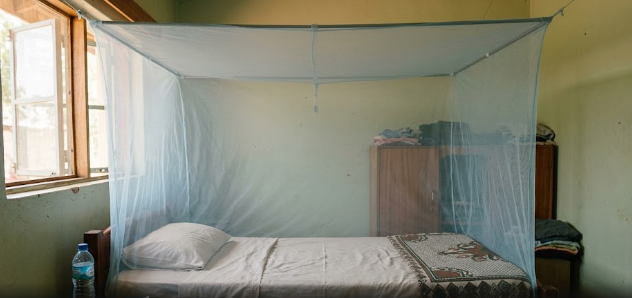
To begin with, controlling mosquitoes inside your living space provides your first line of defense. Long-lasting insecticide-treated nets (LLINs) offer excellent protection while you sleep. For example, sleeping under an LLIN creates a physical barrier while killing mosquitoes that touch the fabric. Furthermore, you should install sturdy wire screens on windows and doors. These screens keep insects outside while allowing fresh air to flow through your house.
Additionally, indoor residual spraying (IRS) plays a major role in home protection. Trained technicians spray safe insecticides on indoor walls where mosquitoes like to rest. As a result, mosquitoes die soon after landing on these treated surfaces.
Eliminating Mosquito Breeding Sites
In addition to indoor protection, you must eliminate mosquito breeding grounds around your property. Mosquitoes lay their eggs in stagnant water, and larvae hatch within a few days. Therefore, check your yard regularly for open water sources.
For instance, turn over empty buckets, discard old tires, and drain clogged gutters. You should also cover rain storage drums tightly with lids or mesh netting. By removing standing water around your home, you disrupt the mosquito lifecycle completely. Consequently, the mosquito population drops significantly in your immediate environment.
Personal Defense and Protective Clothing
While home vector control works well, you also need personal protection when you venture outdoors. Mosquitoes that carry malaria bite most actively between dusk and dawn. During these peak hours, wear light-colored, long-sleeved shirts and long pants. Dark colors attract mosquitoes, so light clothing keeps you safer.
Furthermore, apply insect repellent to any exposed skin. Look for EPA-approved repellents containing proven ingredients like DEET, Picaridin, or Oil of Lemon Eucalyptus (OLE). These chemical formulas block the mosquito’s sense of smell. Consequently, insects cannot detect human skin easily. Reapply your repellent every few hours according to the instructions on the product label.
Medical Steps for Practical Malaria Prevention During Travel
If you travel to regions where malaria is common, personal protection alone might not be enough. In these cases, taking antimalarial medication offers a powerful shield. Doctors call this preventive medical approach chemoprophylaxis.
Healthcare providers commonly prescribe antimalarial drugs such as Doxycycline, Malarone (atovaquone-proguanil), or Mefloquine. However, you must start taking these tablets before you enter a malaria zone. Furthermore, continue taking the medication throughout your trip and for a specified time after returning home. This routine ensures that your body destroys any parasites before they cause harm. Always consult a medical professional to choose the right pill for your health profile.
Modern Malaria Vaccines for Children
Medical science has made huge breakthroughs in fighting malaria over recent years. Today, revolutionary vaccines give young children in high-burden regions a fighting chance against infection. The World Health Organization (WHO) now recommends two safe and effective vaccines: RTS,S/AS01 and R21/Matrix-M.
These vaccines train a young child’s immune system to attack the parasite before it reaches the liver. As a result, vaccinated children experience far fewer severe cases and hospitalizations. While these vaccines currently focus on young children in heavy-risk zones, they mark a historic step toward eradicating malaria globally. Combining vaccines with mosquito nets creates the strongest protection possible for vulnerable communities.
Taking Action Today
Ultimately, stopping malaria requires a multi-layered approach. When you combine home vector control, personal repellents, and appropriate medical treatments, you lower your risk dramatically. For more detailed health updates and global malaria guidelines, you can read the latest research on the World Health Organization Malaria Fact Sheet.
References
- World Health Organization. (2023). WHO guidelines for malaria. World Health Organization. https://www.who.int/publications/i/item/guidelines-for-malaria
- Centers for Disease Control and Prevention. (2024). Malaria Prevention and Control. U.S. Department of Health and Human Services. https://www.cdc.gov/malaria/prevention/index.html
- World Health Organization. (2023). Q&A on the malaria vaccine R21/Matrix-M. https://www.who.int/news-room/questions-and-answers/item/q-a-on-r21-matrix-m-malaria-vaccine