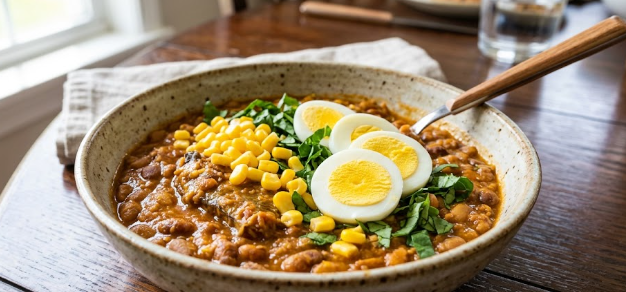
Beans serve as a beloved staple in millions of households across West Africa. People regularly enjoy local classics like beans porridge, Ewa Aganyin, Moi Moi, and Akara. However, while beans provide abundant dietary fiber and complex carbohydrates, they do not offer a full protein package on their own. Fortunately, you can easily turn your favorite legume dishes into complete protein meals by making a few smart adjustments in your kitchen.
Understanding Beans and Complete Protein Meals
Your body requires twenty different amino acids to repair muscles, build enzymes, and maintain overall health. Your body produces eleven of these amino acids internally, but you must get the remaining nine essential amino acids directly from your diet. When a single food contains all nine essential amino acids in proper proportions, nutritionists call it a complete protein.
Most animal products, such as eggs and fish, naturally provide complete proteins. Conversely, plant sources usually lack one or more essential amino acids. For example, beans contain high amounts of lysine, but they lack an essential amino acid called methionine. Because of this missing link, plain beans remain an incomplete protein. Therefore, knowing how to construct complete protein meals helps you get complete nutrition from plant sources.
Pairing Beans with Grains for Complete Protein Meals
You do not need to buy expensive, imported ingredients to correct this protein gap. Instead, you can rely on a simple nutritional strategy called protein complementation. This method simply means pairing two different plant foods that complete each other’s amino acid profile.
For instance, while beans lack methionine, grains such as sweet corn, brown rice, or millet contain plenty of it. Conversely, these grains lack lysine, which beans provide in abundance. When you combine beans porridge with sweet corn or pair Ewa Aganyin with unpolished rice, you instantly create complete protein meals. Furthermore, adding a boiled egg to a plate of Akara or a wrap of Moi Moi completes the protein profile immediately.
Boosting Iron Absorption with Fresh Vegetables
Besides offering plant protein, beans contain impressive amounts of iron. However, plant-based iron comes in a form called non-heme iron, which the human body struggles to absorb effectively on its own. Fortunately, Vitamin C acts as a powerful catalyst that significantly improves your body’s ability to absorb non-heme iron.
Because of this physiological relationship, you should fortify your bean dishes directly with fresh vegetables. Consequently, cooking your beans porridge with diced spinach, fresh tomatoes, onions, and red bell peppers (tatashe) offers vast health benefits. The Vitamin C from these colorful vegetables ensures your body absorbs maximum iron from every spoonful.
Managing Gas and Preserving Healthy Fats
Many individuals avoid eating beans regularly because they fear bloating and digestive discomfort. Beans contain natural compounds called phytates and complex carbohydrates that trigger gas during digestion. However, soaking your dry beans in clean water for several hours before cooking reduces these phytates and minimizes gas production. Always discard the soaking water and rinse the beans thoroughly before you start cooking.
Additionally, pay close attention to the fats you use during preparation. Unrefined palm oil provides valuable fat-soluble nutrients, including Vitamin A and Vitamin E. However, using excessive oil or overheating it destroys these nutrients and adds unwanted calories. Therefore, add unrefined palm oil in moderation to preserve its vital vitamins while keeping your meals light and digestible.
Upgrading Your Daily Bean Dishes Easily
Transforming your daily meals requires very little extra time or effort. For example, you can mix sweet corn directly into your batter when making Akara or Moi Moi. Additionally, you can serve your Ewa Aganyin alongside boiled eggs or whole grains instead of serving the beans alone.
By implementing these minor adjustments, you elevate simple street foods into highly nutritious powerhouse dishes. As a result, you will enjoy better energy, improved digestion, and superior muscular health. For further reading on plant proteins and optimal human nutrition, explore this comprehensive guide on building balanced plant-based diets at Healthline.
References
- Harvard T.H. Chan School of Public Health. (2023). Protein: The Nutrition Source.
- World Health Organization. (2007). Protein and Amino Acid Requirements in Human Nutrition.
- U.S. Department of Agriculture. (2022). FoodData Central: Legume and Grain Nutrient Profiles.