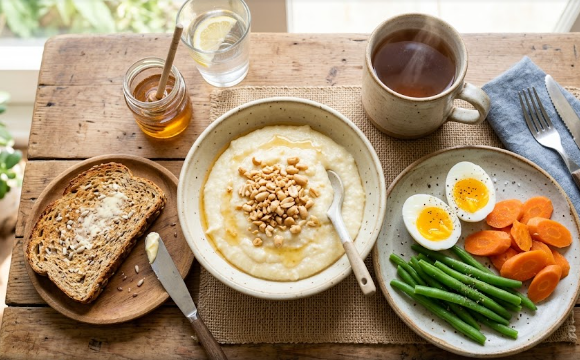
Many people rely on quick meals in the morning, but you can easily create nutritious fast breakfasts without spending hours in the kitchen. Typical morning foods like pap, instant noodles, and white bread offer fast convenience. However, these foods consist mostly of refined carbohydrates. When you eat them alone, your body digests them rapidly. Consequently, your blood sugar spikes and crashes quickly. This sharp drop leaves you feeling tired and hungry again within one or two hours. By making simple tweaks, you can transform these basic carb meals into balanced energy powerhouses that keep you full all morning.
Simple Upgrades for Nutritious Fast Breakfasts with Pap
Pap, also known as Ogi or Koko, is a staple fermented cereal pudding. Because producers make it from maize, millet, or sorghum starch, plain pap contains mostly water and refined carbohydrates. Therefore, eating plain pap alone will not keep you satisfied for long. To upgrade this meal, you must introduce protein and healthy fats.
First, pair your warm bowl of pap with bean products like Moi Moi or Akara. These steamed or fried bean cakes supply the missing plant protein and dietary fiber. Next, enrich the liquid pap directly. Instead of using only water and white sugar, stir in whole milk or milk powder for calcium and extra protein. Furthermore, you can mix in a tablespoon of groundnut powder, sesame seeds, or crushed chia seeds. These additions turn a simple watery starch into a rich morning meal that sustains your energy for hours.
The Instant Noodle Overhaul Protocol
Instant noodles are popular because they cook in under five minutes. Unfortunately, standard noodle packets lack essential vitamins and contain high levels of sodium. You can easily fix this nutritional gap with a simple cooking routine.
First, always cook two eggs with your noodles. You can poach them directly in the boiling soup or add sliced boiled eggs on top. Eggs provide high-quality protein and vital brain nutrients like choline. Second, throw in a generous handful of diced carrots and green beans during the last two minutes of boiling. These fresh vegetables add crunch, color, and essential vitamins to your bowl. Finally, use only half of the sodium-rich seasoning packet. Standard seasoning packets contain excessive salt, which strain your cardiovascular system over time. By using half the packet and adding natural spices like garlic or chili powder, you create delicious and nutritious fast breakfasts without harming your health.
Healthy Bread Combinations for Morning Energy
Sliced white bread is another fast morning option, but standard bread spreads offer very little nutrition. Sugary jams and high-fat margarines add empty calories without stopping your hunger. Therefore, you should upgrade your breakfast by changing both the bread type and the toppings.
Start by swapping refined white bread for whole-wheat or whole-grain bread. Whole grains digest slowly and release steady energy into your bloodstream. Next, replace sugary spreads with nutrient-dense protein sources. For example, top your toast with scrambled or boiled eggs mixed with chopped peppers and onions. Alternatively, mash canned sardines or mackerel with a little lemon juice and spread it over your slice. Sardines provide powerful omega-3 fatty acids for brain function. Finally, you can spread natural, unsweetened peanut butter on whole-grain toast. These smart food combinations complete your plate and ensure you enjoy nutritious fast breakfasts every morning. To discover more ways to build balanced meals for long-term health, explore the guide provided by the Harvard T.H. Chan School of Public Health.
References
- Harvard T.H. Chan School of Public Health. (2021). The Healthy Eating Plate. Nutrition Source.
- Slavin, J. L. (2005). Dietary fiber and body weight. Nutrition, 21(3), 411-418.
- World Health Organization. (2020). Healthy Diet Fact Sheet N°394. WHO Guidelines.