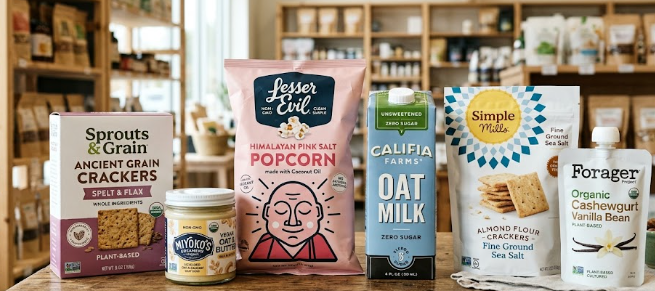
A massive change is happening in grocery store aisles right now. Food tech companies are racing to update their recipes due to strict new health guidelines. Specifically, the American Heart Association released updated rules to fight heart and kidney diseases. Because global governments are taxing unhealthy products, brands must find better ingredients. Consequently, modern flavour science and advanced ingredients are redefining packaged foods to protect our long-term health.
Why Health Guidelines Are Redefining Packaged Foods
The main driving force behind this shift is a new medical blueprint. Doctors now focus heavily on Cardiovascular-Kidney Metabolic (CKM) syndrome. This syndrome links heart disease, kidney issues, and metabolic conditions together. Instead of just counting calories, experts now warn against long-term body inflammation.
As a result, the new guidelines set strict limits on liquid sugars and industrial sodium processing. Food manufacturers realize that old recipes harm consumers, so they are aggressively redefining packaged foods to meet these vital medical standards.
Fixing the Taste of Potassium Blends
In the past, reducing salt made food taste incredibly bland. When companies used traditional potassium chloride as a salt substitute, it created a bitter, metallic aftertaste. However, modern food science has finally solved this major flavor problem.
Scientists now combine specialized yeast extracts and botanical flavor enhancers to fix the taste. These natural ingredients change how our tongue’s taste receptors respond to food. Consequently, these advanced options perfectly mimic the savory taste of real salt without raising your blood pressure metrics.
How Enzymes Reduce Sugar While Redefining Packaged Foods
The reformulation race does not stop at salt reduction. Food brands are also using specialized enzymes to alter food at a molecular level. Through a process called directed enzyme evolution, scientists can change how sugars behave in a recipe.
This technique reduces simple sugars while building healthy, pre-digested functional fibers. Therefore, snacks keep their regular texture and mouthfeel without the sugar crash. By using these methods, companies are successfully redefining packaged foods into truly functional options for daily snacking.
The Growing Shift to Clean and Whole Labels
Lately, consumer data shows a massive shift in what people choose to buy. While governments push for lower sodium, shoppers are actively avoiding heavily processed foods altogether. Instead, buyers want clean labels that they can easily understand.
They prefer products that use ancient, unrefined preservation techniques rather than synthetic chemical stabilizers. Because of this demand, smart food brands are combining modern science with traditional methods. This ensures they create snacks that are both safe to store and genuinely good for the body.
What This Means for Your Next Grocery Trip
Ultimately, the food on our shelves is becoming much healthier without losing its delicious flavor. You will soon see more options that protect your heart and kidneys. For further reading on how modern science changes what we eat, check out the detailed food reports on the Harvard T.H. Chan School of Public Health website.
References
- American Heart Association. (2026). Dietary Guidance to Improve Cardiovascular Health.
- Journal of Food Science and Technology. (2025). Enzyme Engineering and Sugar Reduction in Modern Snacks.
- Global Health Policy Institute. (2026). The Impact of HFSS Taxes on Packaged Food Reformulation.