Why Surface Renovations are the ROI Kings of May 2026

Real estate trends in May 2026 show a massive shift in how homeowners spend their money. Recent data confirms that surface renovations are now the best way to increase a home’s value without spending a fortune. Instead of tearing down walls, smart owners focus on what people see first. These “minor cosmetic remodels” are currently outperforming full-scale gut renovations in almost every market. If you want the most “bang for your buck,” you should look at refreshing your existing space rather than starting from scratch.

The Power of the 90% Recovery Spec

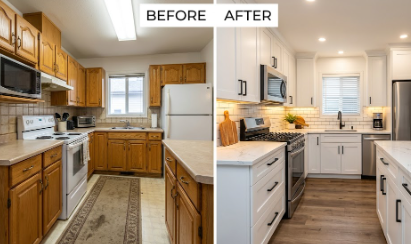
When you plan a home update, you must consider the Return on Investment (ROI). In 2026, a full $80,000 kitchen renovation rarely pays for itself, as it often returns less than 60% of its cost at resale. However, a minor kitchen remodel—which includes surface renovations like refacing cabinets and updating lighting—is a different story. These projects typically return between 90% and 100% of their cost.

For example, if you spend $5,000 on high-quality surface updates, you might add exactly $5,000 or more to your home’s asking price. Buyers today value a “move-in ready” look over a luxury layout that they didn’t choose themselves. Consequently, focusing on the visible layers of your home protects your bank account while making your property stand out.

Why Modular Door Swaps Win Over Replacement

One of the top DIY projects trending today is kitchen cabinet refacing. In the past, people spent weeks sanding and painting old doors. Today, DIYers use modular door swaps to get a professional look in a single weekend. Instead of replacing the entire cabinet box, you simply order custom-sized Shaker-style doors that fit your existing builder-grade boxes.

This method saves thousands of dollars in labor and material costs. Furthermore, many people are now using high-tensile vinyl wraps to change the color of their cabinet frames. These wraps provide a factory-smooth finish that paint cannot match. Because you keep the original “bones” of the kitchen, you avoid the mess of a demolition while achieving a brand-new aesthetic.

Modernizing with Trending Hardware Specs

You can instantly modernize a home for under $200 by focusing on small details. In May 2026, the trending hardware specs are Matte Black and Brushed Nickel. Swapping out dated, shiny brass or chipped chrome handles for Matte Black hardware creates an immediate impact. It gives the kitchen a grounded, contemporary feel that buyers love.

In addition to handles, you should consider your faucets and hinges. When these elements match, the entire room feels cohesive. Because these updates are so simple, almost any homeowner can complete them. These small surface renovations act like jewelry for your home, adding a polished touch that suggests the house has been well-maintained.

The High-Impact Lighting Glow-Up

Lighting is another area where surface renovations provide a massive “glow-up” for very little money. The current gold standard for DIY lighting is the installation of Wireless COB (Chip on Board) LED strips. Unlike old LED strips that show individual “dots” of light, COB strips provide a continuous, smooth beam.

You can stick these strips under your cabinets or along toe-kicks to create a high-end, custom look. Since they are wireless and rechargeable, you do not need to hire a professional electrician. This simple addition makes your kitchen look expensive and warm during evening viewings. It is a perfect example of how modern technology makes high-value home improvement accessible to everyone.

Final Thoughts on Choosing Surface Renovations

Choosing surface renovations over a total remodel is a strategic financial move. You save time, reduce waste, and keep more money in your pocket during the sale. By focusing on high-impact areas like cabinet doors, modern hardware, and smart lighting, you create a home that looks brand new for a fraction of the cost. For more detailed technical guides on home materials and structures, you can visit the International Code Council (ICC) website to ensure your updates meet the latest safety standards.

References

  • Global Property Journal (May 2026 Edition): “The Shift Toward Cosmetic ROI.”
  • National Association of Remodeling Industry: “2026 Cost vs. Value Report.”
  • DIY Tech Monthly: “The Evolution of COB LED Technology in Home Design.”
 Why Ventless Heat-Pump Dryers are the No. 1 DIY for Boosting Rental Income

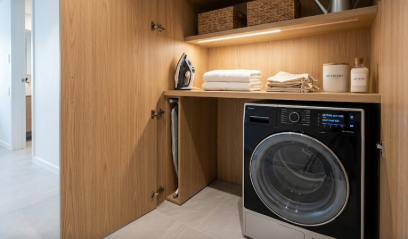
A compact laundry closet featuring modern Ventless Heat-Pump Dryers for a rental apartment.

In 2026, property owners face a competitive market where every square foot must work hard to generate profit. Many landlords are now turning to Ventless Heat-Pump Dryers as a secret weapon to transform small closets into high-value laundry rooms. Because these units do not require a hole in the wall for exhaust, you can install them almost anywhere. This simple DIY upgrade quickly turns a basic apartment into a premium living space that attracts high-paying tenants.

Understanding the Hardware Behind Ventless Heat-Pump Dryers

Traditional dryers work by heating air and blowing it through a vent to the outside. In contrast, Ventless Heat-Pump Dryers function like a “reverse air conditioner.” The machine pulls moisture out of your clothes and condenses it into water. This water then goes into a small tank or directly down a drain pipe. Since you do not need to install complex ductwork, you can place these units in interior closets or under kitchen counters.

Massive Savings with Energy Efficiency Specs

Energy costs are a major concern for both landlords and tenants in 2026. Fortunately, these modern units use 50% to 70% less electricity than old-fashioned vented models. This efficiency happens because the system recycles the heat instead of venting it out of the house. Furthermore, many regions now offer a “Green Appliance” tax rebate of up to $800 for installing this technology. Consequently, the government essentially pays for a large portion of your upgrade.

The All-in-One Convenience for Modern Tenants

Today’s renters value convenience more than ever before. The latest 2026 models often come as “all-in-one” washer-dryer combos. This means a tenant can drop a load of dirty laundry into the machine before work and return home to dry, clean clothes. They never have to move wet, heavy laundry from one machine to another. This “set and forget” lifestyle is a massive selling point that helps your property stand out from the competition.

Calculating Your Rental ROI

Adding laundry is one of the smartest financial moves a property owner can make. Recent data shows that adding in-unit laundry can increase your rental value by 15–20%. For example, if your rent is $1,000, you could potentially charge $1,200 after installing Ventless Heat-Pump Dryers. Since these units cost around $1,200 to purchase, you will recover your entire investment in just six months. This high return on investment makes it the top DIY project for the year.

Why DIY Installation is Easier Than Ever

Because you do not need to cut through exterior walls, the installation process is straightforward. Most Ventless Heat-Pump Dryers only require a standard 120V power outlet and access to a water line. If you have a small closet near a bathroom or kitchen, you can easily tap into the existing plumbing. This simplicity allows you to avoid expensive contractor fees and complete the project over a single weekend.

References

  • Department of Energy: Energy Star Efficiency Ratings for Heat Pump Technology (2025).
  • National Apartment Association: Impact of In-Unit Laundry on Rental Premium Trends.
  • Green Building Council: 2026 Tax Rebate Guidelines for High-Efficiency Appliances.

For more information on the technical specifications of energy-efficient appliances, you can visit EnergyStar.gov.

 Flood-Proof and Fire-Defensible Luxury Specs: The 2026 Real Estate Trend

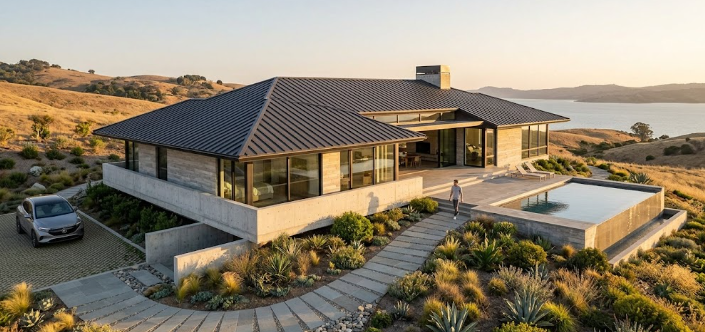
A modern home featuring flood-proof and fire-defensible luxury specs like metal roofing and permeable stone walkways.

The real estate market is changing rapidly as we move through 2026. In the past, luxury meant having the most expensive marble or a massive swimming pool. Today, high-end buyers focus more on safety and durability. Recent data shows that people now want homes that can withstand extreme weather. Specifically, flood-proof and fire-defensible luxury specs have become the most requested features in high-end listings.

Homeowners no longer view climate protection as a “bonus” feature. Instead, they see it as a necessary investment to protect their wealth. For example, a beautiful home loses its value if a forest fire or a flash flood easily destroys it. Consequently, architects and engineers are integrating advanced safety tech into their designs. These features look beautiful and keep the family safe at the same time.

Why Flood-Proof and Fire-Defensible Luxury Specs are Trending

Current market reports from Zillow and Martha Stewart show a massive spike in “Climate-Proof” searches. Buyers are nervous about the increasing number of natural disasters. Because of this, listings that mention flood protection have jumped by 64%. Similarly, mentions of fire protection have risen by 28% in just the last few months.

Developers are responding to this demand by changing how they build. They are moving away from traditional materials that burn or rot easily. Furthermore, insurance companies are offering better rates for homes with these resilient features. This financial benefit makes the shift even more attractive to savvy investors. When a home features flood-proof and fire-defensible luxury specs, it stands out in a crowded market.

Preventing Water Damage with Permeable Walkways

One of the most effective ways to protect a home from water is through smart landscaping. Traditional concrete driveways do not allow water to soak into the ground. During heavy rain, this water pools up and causes flash flooding. To solve this, luxury builders now use permeable pavers. These special stones allow rainwater to filter directly into the soil.

Additionally, native rain gardens are becoming a staple in high-end yards. These gardens use local plants that love water to soak up excess runoff. Not only do they look lush and green, but they also act as a natural sponge. By using these methods, engineers ensure that water moves away from the house foundation. This proactive design is a key part of modern flood-proof and fire-defensible luxury specs.

Protecting Homes with Hardened Exteriors

Fire safety is the other half of the resilience puzzle. In the past, wood siding was the standard for luxury cabins and suburban homes. However, wood burns quickly during a wildfire. Today, builders use “hardened exteriors” to defend against heat and embers. Materials like fiber-cement siding are now very popular because they look like wood but do not catch fire.

Metal roofing is another essential upgrade for fire protection. It prevents sparks from landing on the roof and starting a fire. These materials create a “Defensible Space” around the home. This means the house can survive a fire even if the local fire department cannot reach it immediately. Investing in these flood-proof and fire-defensible luxury specs provides peace of mind that traditional luxury items cannot offer.

The Future Mindset of the 2026 Homebuyer

The way people think about their homes has shifted permanently. About 86% of homebuyers now rank climate resilience as a top priority. They want to know that their investment will last for decades, not just years. Therefore, developers who ignore these trends will likely see their property values drop over time.

Whether you are a professional developer or a DIY renovator, you should focus on future-proofing. Adding resilient features increases the resale value of the property significantly. It also makes the home much more comfortable to live in during stormy seasons. Ultimately, flood-proof and fire-defensible luxury specs represent the perfect blend of high-end design and practical engineering. For more information on resilient building standards, you can visit the Insurance Institute for Business & Home Safety.

References

  • Zillow Research. (2026). The Rise of the Climate-Resilient Home.
  • Martha Stewart Living. (2026). Trending Home Features for May 2026.

National Association of Realtors. (2026). Buyer Preferences and Environmental Impact.