Mosquito bites cause millions of illnesses every year across the globe. However, two specific diseases cause the most concern among health experts worldwide. When comparing Malaria vs Dengue, many people wonder which infection poses a greater danger to human health. While both diseases cause high fevers and painful body aches, their underlying causes, symptoms, and mortality rates differ significantly. Therefore, understanding these crucial differences can help you protect yourself and recognize warning signs early.
Understanding the Vectors: Malaria vs Dengue Causes
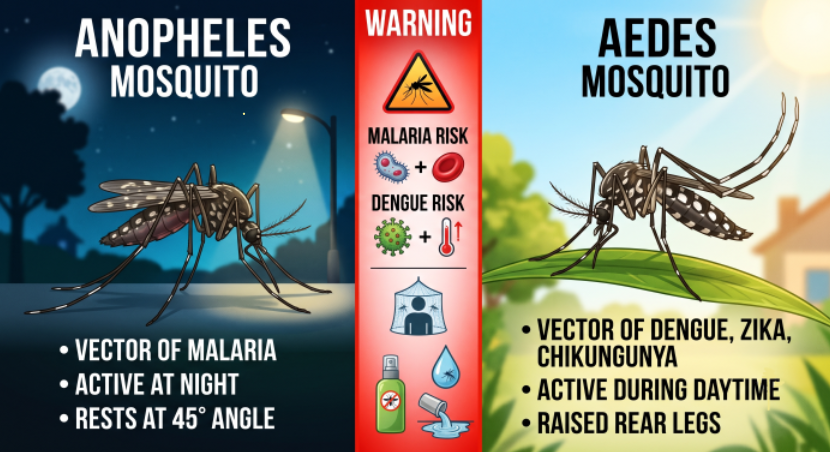
A single mosquito bite delivers either a parasite or a virus depending on the insect species. For instance, a microscopic parasite called Plasmodium causes malaria. Nocturnal Anopheles mosquitoes bite mainly from dusk until dawn, transmitting this dangerous parasite directly into your bloodstream.
In contrast, a virus causes dengue fever. Day-biting Aedes mosquitoes, especially Aedes aegypti, transmit dengue during early morning hours and late afternoon periods. Consequently, your exposure risk changes depending on the time of day and your physical environment.
Comparing Global Case Numbers and Death Rates
When examining global impact, statistical numbers paint a stark picture of both illnesses. According to health organizations, malaria infects roughly 249 million people annually worldwide. Tragically, it leads to over 600,000 deaths every year, with young children in Sub-Saharan Africa facing the highest risk.
On the other hand, dengue infects tens of millions of people each year, yet it results in roughly 40,000 deaths. Thus, while both conditions create massive health burdens, malaria currently takes significantly more lives on a global scale each year.
Severity Factors in Malaria vs Dengue Infections
Both diseases can escalate rapidly into life-threatening medical emergencies if left unchecked. A dengue infection can develop into Severe Dengue, which experts also call Dengue Hemorrhagic Fever. This severe state causes severe abdominal pain, persistent vomiting, severe bleeding from gums, and sudden plasma leakage. As a result, patients can enter Dengue Shock Syndrome, leading to dangerous drops in blood pressure.
However, malaria—specifically the species Plasmodium falciparum—is exceptionally dangerous because it destroys red blood cells rapidly. Furthermore, it can clog tiny blood vessels supplying vital organs. Consequently, severe malaria can trigger organ failure, acute respiratory distress, or cerebral malaria. Without immediate medical intervention, severe malaria can prove fatal within just 24 hours of symptoms appearing.
Treatment Options and Preventive Vaccines
Fortunately, doctors treat these two conditions using very different medical strategies. Medical science offers effective prescription antimalarial medications, such as artemisinin-based combination therapies, which directly kill the malaria parasite in your body. Furthermore, modern health agencies now deploy preventive malaria vaccines in high-risk regions to protect vulnerable children.
Conversely, no single universal drug cures dengue. Medical teams rely primarily on supportive care to manage dengue symptoms effectively. This management includes aggressive intravenous hydration, careful rest, and pain relievers like acetaminophen. Patients must explicitly avoid anti-inflammatory drugs like ibuprofen or aspirin because these medications increase internal bleeding risks.
Final Verdict: Malaria vs Dengue Danger Profiles
In conclusion, evaluating Malaria vs Dengue depends on whether you consider urban spread or overall global mortality. Dengue poses an expanding threat of rapid urban outbreaks because Aedes mosquitoes thrive in crowded cities and artificial water containers. Consequently, a dengue surge can quickly overwhelm local hospital systems. However, malaria remains statistically far more deadly worldwide due to its rapid attack on organs and high mortality rate among young children. Therefore, while dengue spreads faster in cities, malaria remains the deadlier killer overall. For further reading on global disease control and mosquito prevention strategies, visit the World Health Organization.
References
- World Health Organization. (2023). World Malaria Report 2023. WHO Guidelines Approved by the Guidelines Review Committee. Geneva.
- Centers for Disease Control and Prevention. (2024). Dengue: Symptoms, Treatment, and Prevention. U.S. Department of Health and Human Services.
- World Health Organization. (2024). Dengue and Severe Dengue Fact Sheet. Geneva.