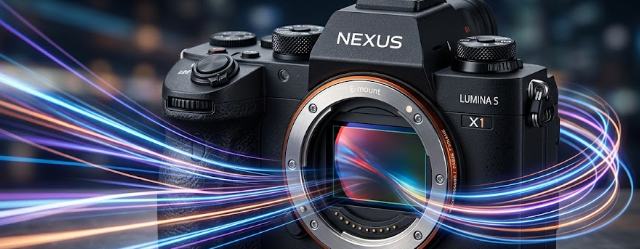
Photography and videography require precise timing, especially when you capture fast-moving subjects. If you want crisp, distortion-free images, you must understand the latest camera technology. Consequently, global shutter CMOS sensors have emerged as a massive game-changer for professionals and prosumers. In this article, we will explore exactly how these sensors work and why they are replacing traditional designs in high-end mirrorless cameras. Therefore, whether you shoot fast sports or cinematic video, you will see how this technology upgrades your workflow.
How Global Shutter CMOS Sensors Read Data
First, we must understand the fundamental difference in hardware specifications. A traditional rolling shutter scans an image line-by-line from the top of the frame to the bottom. Because of this sequential reading, moving subjects often change position before the sensor finishes scanning the whole image. In contrast, global shutter CMOS sensors read every single pixel on the sensor simultaneously. As a result, the camera captures the entire scene in one exact instant. For example, if you photograph a race car speeding past, the simultaneous readout freezes the car exactly where it is. Furthermore, this instantaneous capture removes the annoying lag that plagues sequential sensors.
Killing the “Jello” Effect with Global Shutter CMOS Sensors
Moreover, this simultaneous readout mathematically eliminates motion distortion, which videographers commonly call the “jello” effect. When you pan a camera quickly using a rolling shutter, straight vertical lines often appear slanted or skewed. Similarly, ultra-fast subjects like golf clubs swinging or airplane propellers spinning will look warped and unnatural. However, global shutter CMOS sensors completely kill this skewing effect. Because the sensor captures all light data at the exact same fraction of a second, the image remains perfectly geometrically accurate. Consequently, professionals can pan as fast as they want without turning background buildings into jelly.
Incredible Flash Sync Speeds
In addition to freezing motion, these sensors revolutionize flash photography. Traditionally, photographers struggle with flash sync speeds when they shoot outdoors in bright sunlight. They usually rely on power-draining High-Speed Sync (HSS) modes to sync strobes past 1/250th of a second. Thankfully, global shutter CMOS sensors allow you to sync your studio strobes or speedlights at literally any shutter speed. For instance, you can easily shoot at an incredibly fast 1/80,000s without missing a beat or showing dark bands on your image. Therefore, you conserve precious battery power and maximize the output of your lighting equipment effortlessly.
The Trade-off: Global Shutter CMOS Sensors and Dynamic Range
Despite the amazing benefits, we must look at the objective downsides. The advanced circuitry required for simultaneous readout takes up physical real estate on the pixel level. Because these complex circuits crowd the sensor, the individual pixels capture slightly less light. Consequently, global shutter CMOS sensors generally suffer a slight reduction in their base dynamic range and low-light gathering capabilities. While you gain perfect motion capture, you might notice slightly more noise in dark shadows compared to a traditional sensor. Ultimately, professional photographers must weigh this trade-off when they compare high-end mirrorless camera bodies.
Conclusion
In conclusion, upgrading your camera gear requires a clear understanding of your specific needs and shooting style. If you shoot ultra-fast action, sports, or high-speed video, the benefits heavily outweigh the slight dynamic range trade-off. By eliminating motion distortion and unlocking unlimited flash sync speeds, this technology provides unmatched creative freedom. Finally, if you want to dive deeper into the technical evolution of digital imaging, you can read more about advanced camera sensor technology at B&H Explora.
References
- B&H Explora. “Understanding Camera Sensors.” B&H Photo Video.
- Digital Photography Review (DPReview). “The Impact of Global Shutters in Modern Mirrorless Cameras.” DPReview Articles.