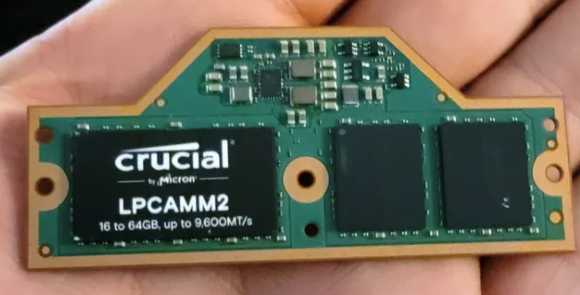
For many years, laptop buyers faced a frustrating trade-off. If you wanted a thin and fast laptop, you usually had to accept soldered RAM. This meant the memory chips were permanently glued to the motherboard. If you wanted a laptop you could upgrade later, you had to buy a thicker model with bulky SO-DIMM slots. However, the arrival of LPCAMM2 technology in 2026 has finally solved this problem. This shift represents the most important laptop spec change in a decade because it combines high speed with easy repairability.
Ending the War Between Speed and Repairability
In the past, manufacturers soldered memory to achieve high speeds, such as 8400+ MHz. Traditional removable sticks (SO-DIMMs) simply could not handle those speeds because the physical distance between the RAM and the CPU was too great. Because CAMM2 uses a compression connector, it sits much closer to the processor. Consequently, you can now enjoy the blazing-fast performance of high-end memory while keeping the ability to swap it out. If your 16GB of RAM feels slow in two years, you can simply unscrew the module and install a larger one.
How CAMM2 Saves Physical Space
Designers of “Pro” laptops are constantly fighting for every millimeter of space. Standard SO-DIMM slots require stacking two sticks of RAM on top of each other, which adds significant thickness to the device. In contrast, CAMM2 modules are about 57% thinner than these traditional stacks. This design allows 2026 flagship laptops from brands like Lenovo and ASUS to stay under 15mm in thickness. Despite being incredibly thin, these machines can still support massive memory capacities of 64GB or 128GB.
The Magic of the Dual-Channel Single Module
One of the most impressive technical features of this most important laptop spec change in a decade is how it handles data. Traditionally, to get “dual-channel” performance, you needed to install two separate sticks of RAM. If you only had one stick, your computer would run significantly slower. However, a single CAMM2 module provides a dual-channel interface by itself. This breakthrough simplifies motherboard layouts and leaves more room for larger batteries or better cooling systems. Users no longer need to worry about buying RAM in matching pairs to get the best speed.
Boosting Sustainability and Longevity
Electronic waste is a growing global concern, and soldered components are a major contributor. When RAM fails on a soldered motherboard, the entire laptop often becomes a “brick.” Because CAMM2 is removable, these new 2026 laptops are receiving much higher repairability scores from government regulators. Furthermore, corporate fleets prefer this technology because it extends the lifespan of their hardware. If a company needs more power for new software, they can upgrade the RAM instead of replacing thousands of expensive laptops.
Why This Spec Change Matters for You
Choosing a laptop with CAMM2 is a smart investment for your future. You are no longer locked into the specifications you choose on the day of purchase. Whether you are a civil engineer running heavy CAD software or a casual user, this flexibility is invaluable. This technology bridges the gap between the sleekness of a tablet and the power of a desktop. As we move further into 2026, look for the CAMM2 label to ensure you are getting the most important laptop spec change in a decade.
For a deeper technical dive into how memory standards have evolved, you can visit PCWorld for more industry insights.
References
- JEDEC Solid State Technology Association. (2024). CAMM2 Memory Standard Specifications.
- Dell Technologies. (2025). The Evolution of Mobile Precision Workstations.
iFixit. (2026). Repairability Trends in Modern Ultrabooks.