Oppo Find X9 Ultra: Is the World’s First 10x Native Optical Zoom Overkill?

The technology world is buzz this month about a major release. This release is the Oppo Find X9 Ultra. As a highly anticipated global flagship phone, it promises to change how we think about smartphone photography. The most talked-of feature is undoubtedly its claim to have the “world’s first 10x native optical zoom.” While many phones offer high zoom, they often use a mix of digital tricks to reach those levels. However, a purely native optical zoom at 10x magnification is a different beast entirely. We take a close look to see if this feature is a useful breakthrough or just impressive overkill.

Breaking Down the Powerful Camera Sensors

To understand the Oppo Find X9 Ultra camera, you must understand its parts. The phone has a massive primary camera that uses the latest high-performance Sony sensor. Specifically, it uses a 1-inch type Sony LYT-900 sensor. This large sensor gathers incredible amounts of light. Consequently, your photos are brighter and show far less “noise,” even in nearly dark conditions. For example, your photos of a dark street will look much clearer than before. Thus, this main sensor creates a strong foundation for an elite camera system.

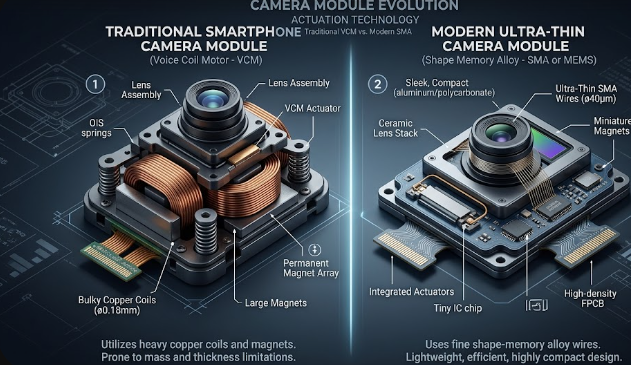
But the real magic lies in the specialized lenses. Oppo includes not just one, but two, periscope telephoto lenses. One handles moderate zoom. The other achieves that true 10x native optical power using a customized Sony IMX series sensor. These do not just zoom in on the picture after you take it. Instead, they use a special lens setup that moves physically inside the phone to magnify your subject. This customized approach keeps your images incredibly sharp, even at such a high magnification. Think of it as having a compact telescope built right into your device.

Is 10x Native Optical Zoom Actually Overkill?

You might wonder if most people need to zoom in that close. After all, how often do we take photos of things so far away? This is a valid point. For many everyday scenarios—like taking a photo of your food or a group shot with friends—the main camera or a small 2x zoom is perfectly adequate. However, a 10x native zoom opens up a whole new world of creative options that were once reserved for professional photographers with large, expensive lenses. It lets you capture intimate moments, like expressions at a concert, or details in nature that you simply could not get near.

Moreover, having such a powerful native zoom reduces the need to crop your images after the fact. Cropping a picture taken with digital zoom often results in a blurry, pixelated image. With native optical zoom, you keep all of that important resolution and detail. Therefore, this feature is not just about bringing things closer; it is about bringing them closer without any loss in image quality. For someone who loves photography, this is not overkill; it is a powerful new tool in their kit. For a regular user, it is an exciting extra.

That Brightness: 3,600 Nits in the Nigerian Sun

Aside from the camera, another key detail people discuss is the Oppo Find X9 Ultra‘s screen. Its peak brightness can reach an incredible 3,600 nits. This number is extremely high. To give you some context, most high-end phone screens from just a few years ago maxed out around 1,000-1,500 nits. So, this display can technically get more than twice as bright. This sounds fantastic on a specification sheet, but what does it mean in a practical sense, especially under the very strong Nigerian sun?

A major challenge for any smartphone is being usable in direct sunlight. The sun’s light can reflect off your screen, making it look washed out or impossible to see. High brightness helps to overcome this. A screen with 3,600 nits would fight that glare incredibly well. While your phone may not maintain that absolute peak 3,600 nits for a long time to save power and prevent overheating, the sustained outdoor brightness will still be extremely high. This means that even in the brightest part of a Nigerian day, you would have a clear, easily readable screen for navigating, reading a message, or seeing what you are photographing.

Conclusion and Final Thoughts

In summary, the Oppo Find X9 Ultra truly has impressive technology. Its 10x native optical zoom, supported by advanced Sony sensors, is a powerful tool for photography lovers. This feature lets you take high-quality pictures from a distance that few other phones can match. While it might be more than an average person needs, calling it “overkill” overlooks the creative power it provides. It represents a genuine leap in what a compact phone camera can achieve. This gives you a portable alternative to bulky camera gear.

Furthermore, its screen brightness is not just a marketing gimmick. In a country with as much sunshine as Nigeria, a 3,600-nit peak display is a practical solution for real-world visibility problems. Having a screen you can actually see makes using your phone outdoors a completely different and better experience. Ultimately, the Oppo Find X9 Ultra stands as a testament to phone innovation. It delivers truly functional features in a package that is as powerful as it is unique. For a more detailed technical review of the phone’s complete capabilities, you can find a comprehensive assessment on [another tech review site].

References

  • Oppo.com (2026). “OPPO Find X9 Ultra Launches Globally: Meet Your Next Camera.”
  • TrustedReviews (2026). “Oppo Find X9 Ultra Review | Can it get any better?”
  • Petapixel.com (2026). “Oppo Find X9 Ultra Review: One of the Very Best Phones for Photographers.”
  • Stuff.tv (2026). “Oppo Find X9 Ultra review: the smartphone I’d ditch my digital camera for.”

Hiroh Phone Physical Kill-Switch: Ultimate Privacy in the AI Era?

: A user toggling the Hiroh phone physical kill-switch on a sleek metallic smartphone to disconnect the camera and microphone.

On April 24, 2026, the tech world witnessed a major shift with the official launch of the Hiroh phone. Priced at $1,100, this device enters the market as a “security-first” flagship designed for the modern user. Unlike older privacy-focused phones that looked like bulky military tools, the Hiroh features a sleek, premium design. However, its most talked-about feature is the Hiroh phone physical kill-switch. This hardware toggle allows users to manually control their privacy in an age where AI surveillance is everywhere.

What is the Hiroh Phone Physical Kill-Switch?

Most modern smartphones use software “toggles” to turn off cameras or microphones. When you tap a button on your screen, the software tells the hardware to stop recording. Unfortunately, if a hacker compromises your operating system, they can bypass these software locks. Consequently, your phone could record you without your knowledge.

The Hiroh phone physical kill-switch solves this problem by using a physical slider on the side of the device. When you flip this switch, it physically disconnects the electrical circuit to the camera and microphone sensors. Because the circuit is broken, no software or AI can “listen in” or “watch” you. Even if a genius hacker takes over your phone’s software, they cannot turn the sensors back on remotely. This provides a level of peace of mind that software alone cannot offer.

Flagship Power Meets Modern Privacy

In the past, people often had to sacrifice performance to get better security. Many “privacy phones” had slow processors and poor screens. However, the Hiroh changes this trend by offering 2026 flagship specifications. It features a beautiful 6.7-inch LTPO OLED display with a smooth 1-144Hz refresh rate. Additionally, it uses a secure-enclave version of the latest Snapdragon and MediaTek chips.

The design is a slim “sandwich” of glass and metal that competes directly with the iPhone 17 or Galaxy S26. Furthermore, it runs Hiroh OS, which is a minimalist version of Android. This operating system removes all ad-tracking and telemetry at the deepest level. Most importantly, the Hiroh phone physical kill-switch works alongside “Local-Only AI.” This means your voice data stays on the device’s NPU and never travels to a cloud server for training.

Why the Hiroh Phone Physical Kill-Switch is Trending

Public trust in “Big Tech” reached an all-time low in 2026. Many people feel that companies “scrape” their personal lives to train massive AI models. Consequently, a “Vibe Shift” has occurred in the tech industry. Users now want “Digital Sovereignty,” which means having total control over their own data.

The Hiroh phone physical kill-switch targets this growing movement perfectly. It caters to individuals who want the convenience of a high-end smartphone but refuse to be monitored. Besides the physical switch, the phone includes an “Encrypted Stealth Mode.” This feature masks your GPS coordinates to keep your location private. Additionally, a “Wipe-on-Fail” system deletes all data if someone enters the wrong PIN too many times.

Is a Physical Switch the New Luxury?

As AI becomes more integrated into our daily lives, privacy is becoming a luxury feature. Mainstream companies often prioritize data collection over user secrecy. Therefore, the $1,100 price tag for the Hiroh phone represents an investment in personal freedom. While other brands focus on flashier cameras, Hiroh focuses on the power to turn those cameras off.

Ultimately, the Hiroh phone physical kill-switch sets a new standard for what a “spec” should be in 2026. It proves that you do not have to carry a brick-sized device to stay safe. If you want to learn more about the technical details of hardware-level security, you can read more about physical circuit breaks on Electronic Design.

References

  • Hiroh Official Product Launch Press Release (April 2026).
  • TechSecurity Journal: “The Rise of Physical Privacy Toggles.”
  • Mobile World Congress 2026: Flagship Comparison Reports.

Galaxy A57 5G Battery Efficiency: Why Smaller is Now Better

A comparison chart showing the Galaxy A57 5G battery efficiency against competitors with much larger battery capacities.

The tech world is buzzing this week in April 2026 following a major global release. Samsung just launched its newest mid-range hero, but many people are surprised by the hardware specs. While rival brands now pack massive 7,000mAh power cells into their “budget” phones, the Galaxy A57 5G battery efficiency is proving that a bigger number is not always better. This phone uses a modest 5,000mAh battery, yet it officially clocks longer real-world usage times than its “behemoth” competitors.

Most users believe that a larger battery capacity automatically guarantees a longer-lasting phone. However, Samsung is challenging this common misconception with its latest hardware. By focusing on how the phone consumes energy rather than just how much it stores, they have created a device that works harder for longer. As a result, the era of carrying thick, heavy phones just for extra power might finally be over.

Hardware Secrets of Galaxy A57 5G Battery Efficiency

A major part of this success comes from the brain of the phone. Depending on your region, the device uses either the Exynos 1680 or the Snapdragon 7 Gen 4 processor. Both chips use a tiny 5nm design which focuses heavily on saving energy. These processors handle background tasks with incredible precision. Instead of running at full speed for simple apps, the chip stays in a low-power mode to protect the Galaxy A57 5G battery efficiency.

Furthermore, these processors are smarter at managing heat. When a phone gets hot, it wastes energy, but Samsung’s new cooling system keeps the temperature steady. This means the battery does not have to fight against heat loss. Consequently, you get more hours of screen time from a smaller physical battery than you would from a poorly optimized 7,000mAh rival. It is a classic case of working smarter, not harder.

Deep Sleep 2.0: AI-Adaptive Power Management

The A57 introduces a feature called “Deep Sleep 2.0,” which takes power saving to a whole new level. This AI software does not just close your background apps like older phones used to do. Instead, it learns your specific habits by the hour. If the AI predicts that you will not use your camera or GPS for the next three hours, it reduces the polling rate of those sensors. This significantly boosts the Galaxy A57 5G battery efficiency without the user ever noticing a lag.

In addition to sensor management, the Neural Processing Unit (NPU) also takes breaks. The AI realizes when you are doing simple tasks like reading an e-book and tells the heavy hardware to “rest.” Because the phone anticipates your needs, it saves tiny amounts of power every minute. Over a full day, these small savings add up to several extra hours of usage, allowing you to skip the midday charge.

Display Innovation and Eco² OLED Plus

Screens are usually the biggest drain on any smartphone. To combat this, Samsung equipped the A57 with a Super AMOLED 120Hz panel using Eco² OLED Plus technology. This new screen design removes the traditional polarizer layer that most phones use. By doing this, the screen becomes more transparent and allows light to pass through more easily. As a result, the phone can reach high brightness levels while using 25% less energy.

This innovation directly impacts the Galaxy A57 5G battery efficiency when you are outdoors. Even in bright sunlight, the display remains clear without draining the battery as fast as previous models. You can enjoy a smooth 120Hz refresh rate for gaming or scrolling while the hardware works behind the scenes to minimize power waste. It is a perfect balance between a beautiful visual experience and long-lasting performance.

Charging Speed and Long-Term Value

While many competitors now offer 100W “flash charging,” Samsung has decided to stick with 25W and 45W options. They argue that super-fast charging generates too much heat, which can damage the battery over time. Since Samsung is promising 6 years of OS updates for this device, keeping the battery healthy is vital. They use “intelligent” charging to ensure the battery lasts through its 4-year lifecycle without losing significant capacity.

Ultimately, the Galaxy A57 5G battery efficiency makes it a top choice for budget-conscious buyers who want a phone that lasts for years. Software cleverness has become more important than the physical size of the hardware. If you want a device that stays thin but keeps running until the end of the night, this mid-ranger is the perfect example of modern engineering. You can learn more about how modern batteries work to understand the science behind these daily improvements.

References

  • Samsung Global Newsroom (April 2026). Galaxy A57 5G: Redefining Mid-Range Performance.
  • Display Supply Chain Consultants (DSCC). The Impact of Eco² OLED Plus on Mobile Power.
  • TechRadar Pro. Snapdragon 7 Gen 4 vs. Exynos 1680: An Efficiency Deep Dive.

OnePlus Nord 6 vs Vivo T5 Pro: Battle of 9,000mAh Batteries

A comparison layout showing the internal Silicon-Carbon battery of the OnePlus Nord 6 vs Vivo T5 Pro alongside their 165Hz and 144Hz displays.

The smartphone world is currently witnessing a massive shift toward “Silicon-Carbon” batteries in April 2026. This new technology allows manufacturers to pack incredible power into slim devices. Two major contenders have emerged in this “Battery Monster” era: the OnePlus Nord 6 vs Vivo T5 Pro. Both phones offer capacities that were once unthinkable for a standard handheld device. Specifically, they both feature batteries exceeding 9,000mAh, promising multiple days of heavy use on a single charge.

This competition marks a turning point for mobile users who are tired of carrying power banks. However, many buyers wonder if these massive batteries make the phones heavy or thick. In this article, we will examine how these two devices compare in terms of weight, charging speed, and overall performance.

Battery Density in OnePlus Nord 6 vs Vivo T5 Pro

OnePlus and Vivo both use Silicon-Carbon (Si/C) technology to achieve high energy density. Traditional lithium-ion batteries would make a 9,000mAh phone feel like a brick. Fortunately, Si/C technology allows for a much thinner profile. The OnePlus Nord 6 features a 9,000mAh cell within an 8.5mm thick body. On the other hand, the Vivo T5 Pro packs a slightly larger 9,020mAh battery into an even slimmer 8.25mm frame.

Despite the massive capacity, these phones remain surprisingly light. The OnePlus Nord 6 weighs 217 grams, while the Vivo T5 Pro weighs only 213 grams. Therefore, you get double the battery life of an older flagship without the extra bulk. This high density ensures that the phones fit comfortably in your pocket during daily commutes or long travel days.

Charging Speeds and Efficiency

A massive battery is only useful if you can charge it quickly. Vivo takes a slight lead in this category with its 90W quick charging system. This charger can fill the 9,020mAh battery from 20% to 100% in about 55 minutes. Meanwhile, the OnePlus Nord 6 uses 80W Super Charging. While it is slightly slower, it still manages to provide a full charge in roughly an hour.

Both brands have included smart cooling systems to handle the heat during these fast charging cycles. For example, OnePlus uses self-healing electrodes to maintain battery health over five years. Consequently, you do not have to worry about the battery degrading quickly despite the high wattage. These charging speeds ensure that even a short 15-minute plug-in provides enough power for several hours of video streaming.

Display and 165Hz Performance Comparison

Display technology has also taken a leap forward to keep up with these powerful batteries. The OnePlus Nord 6 boasts a stunning 1.5K “Sunburst” AMOLED screen with a 165Hz refresh rate. This high refresh rate makes gaming and scrolling feel incredibly smooth. Because the battery is so large, you can leave the 165Hz mode on all day without fear of running out of juice by lunchtime.

The Vivo T5 Pro offers a slightly larger 6.83-inch screen but caps the refresh rate at 144Hz. While 144Hz is still very fast, it falls just short of the elite gaming performance found on the OnePlus. However, Vivo counters this with a higher peak brightness of 5000 nits. This makes the Vivo T5 Pro the better choice for people who frequently use their phones in direct sunlight. Both devices represent the peak of OnePlus Nord 6 vs Vivo T5 Pro engineering in 2026.

Final Verdict for Power Users

Choosing between these two “monsters” depends on your specific needs. If you prioritize the smoothest possible gaming experience and a slightly more powerful Snapdragon 8s Gen 4 chip, the OnePlus Nord 6 is the winner. If you prefer a thinner design, faster charging, and a brighter screen, the Vivo T5 Pro is the better option. Both phones prove that the “Battery Monster” trend is here to stay without ruining the phone’s ergonomics.

As technology continues to evolve, we expect even more brands to adopt these high-density Silicon-Carbon cells. You can read more about the latest mobile battery breakthroughs and technical benchmarks on the GSM Arena website.

References

  • OnePlus India. (2026). OnePlus Nord 6: Product Specifications and Battery Tech.
  • Vivo Global Newsroom. (2026). Vivo T5 Pro: Redefining Endurance with Silicon-Carbon Cells.
  • Tech Advisor. (2026). Best Battery Life Phones: The 2026 Rankings.

Smartprix. (2026). Detailed Comparison: OnePlus Nord 6 vs Vivo T5 Pro.

The Big Question: Foldables in 2026: Is the Hinge Finally Fixed?

Comparison of Samsung Z Fold 8 and TECNO Phantom V Fold 3 focusing on Foldables in 2026: Is the Hinge Finally Fixed?

The dream of a phone that turns into a tablet is now a reality for many Nigerians. However, many users still worry about the durability of these expensive devices. You might ask yourself, Foldables in 2026: Is the Hinge Finally Fixed? This year, two major giants are fighting for your pocket: the Samsung Galaxy Z Fold 8 and the TECNO Phantom V Fold 3.

In the past, people feared that the screen would crack after a few months of use. They also complained about the visible “crease” in the middle of the display. In 2026, technology has improved significantly to solve these problems. We will look at how Samsung and TECNO have upgraded their hardware to handle the heat and dust of the Nigerian environment.

The Battle of Hinge Folding Limit and Durability

The most important part of any foldable phone is the hinge. If the hinge fails, the phone becomes a very expensive paperweight. Samsung has pushed the limits with the Galaxy Z Fold 8 by introducing a “Dual-Layer UTG” structure. This new design uses laser-drilled holes in the metal plate to reduce stress on the glass.

According to recent tests, the Samsung Z Fold 8 now supports a hinge folding limit of 500,000 folds. This means if you open your phone 100 times every day, it could last for over 13 years! On the other hand, the TECNO Phantom V Fold 3 uses an “Aerospace-grade Drop-shaped Hinge.” TECNO has officially rated its device for 400,000 folds.

While Samsung leads in the total number of folds, TECNO’s hinge design allows the phone to shut completely flat. This prevents dust from entering the inner screen, which is a big win for users in dusty cities like Kano or Lagos. Both brands have finally moved past the era of fragile hinges.

Screen Brightness and Outdoor Visibility

Nigeria is a very sunny country, so screen brightness is a vital feature for any smartphone user. You need a screen that stays clear even under the direct midday sun. The Samsung Galaxy Z Fold 8 is a powerhouse in this category. It features a peak brightness of 2,600 nits, making it one of the brightest screens on the market.

The TECNO Phantom V Fold 3 is not far behind, offering a peak brightness of 2,200 nits. While Samsung is slightly brighter, both phones are excellent for outdoor use. You will not struggle to read your emails or watch videos while waiting at a bus stop. High nits ensure that colors remain vibrant and text stays sharp regardless of the lighting.

Comparing UTG Technology and Screen Protection

Ultra Thin Glass (UTG) is the secret sauce that makes these screens bend without breaking. For Foldables in 2026: Is the Hinge Finally Fixed?, the answer lies in the materials. Samsung has upgraded to a thicker, more flexible UTG that feels more like real glass and less like plastic. This reduces the “crease” by about 20% compared to older models.

TECNO uses a similar UTG material but focuses on a “Self-developed Reverse Snap” structure. This structure helps the screen stay tight and flat when unfolded. Because the TECNO Phantom V Fold 3 is often more affordable in Nigeria, it provides a great balance between premium materials and price. It even comes with a specialized protective film that is much stronger than before.

FeatureSamsung Galaxy Z Fold 8TECNO Phantom V Fold 3
Hinge Folding Limit500,000 Folds400,000 Folds
Peak Brightness2,600 Nits2,200 Nits
Screen MaterialDual-Layer UTGAerospace-grade UTG
Water ResistanceIP48 RatedBasic Splash Resistance

Which Should You Choose in Nigeria?

Choosing between these two depends on your budget and your lifestyle. If you work in a professional office and want the best water resistance, the Samsung Z Fold 8 is the winner. Its IP48 rating means it can handle accidental spills or light rain. However, the Samsung is significantly more expensive.

If you want a large, durable screen without spending millions of Naira, the TECNO Phantom V Fold 3 is the best choice. TECNO has built a strong reputation for local repairs and spare parts in Nigeria. This makes it easier to fix your phone if anything goes wrong. Both phones prove that the “hinge problem” is mostly a thing of the past.

For more technical details on how foldable screens are made, you can visit The Verge for the latest tech reviews and teardowns.

References

  • TrendForce (2026). “Samsung Reportedly Cuts Fold Crease 20% With Ultra-Thin Glass.”
  • IDC Quarterly Mobile Phone Tracker (2025/2026). “Worldwide Foldable Smartphone Market Forecast.”
  • Deep Market Insights (2026). “Nigeria Foldable Smartphone Market Size & Outlook.”

Samsung S26 Ultra vs. iPhone 17 Pro: Which Flagship Handles the Most “On-Device” AI?

A high-quality comparison of the Samsung S26 Ultra vs. iPhone 17 Pro showing on-device AI features like live translation and photo editing

Choosing between the Samsung S26 Ultra vs. iPhone 17 Pro is no longer just about the camera or the screen. In 2026, the biggest battle happens inside the processor. Modern users want “On-Device” AI because it keeps data private and works without an internet connection. This article compares how these two giants handle live translation, photo editing, and the new world of “Agentic AI” while staying offline. We will look at why hardware specs like the Snapdragon 8 Elite NPU and high RAM counts are the new benchmarks for success.

The Power of the Snapdragon 8 Elite NPU

The Samsung S26 Ultra vs. iPhone 17 Pro debate starts with raw processing power. Samsung uses the Snapdragon 8 Elite Gen 5, which features a massively upgraded Neural Processing Unit (NPU). This NPU is specifically designed to run large language models locally on your phone. Because the NPU is 39% faster than previous versions, it can handle complex tasks without sending your data to a cloud server. This speed allows the S26 Ultra to perform “Now Nudge” actions, where the phone predicts what you need before you even ask.

Apple counters this with the A19 Pro chip. While Apple has always focused on efficiency, the A19 Pro includes new “Neural Accelerators” inside each GPU core. These accelerators help the iPhone 17 Pro process images and text instantly. However, the Snapdragon 8 Elite NPU in the Samsung currently holds a slight edge in total AI throughput. If you want a phone that feels like a proactive assistant, the hardware in the S26 Ultra is built for exactly that.

Why 16GB RAM is the New AI Standard

When comparing the Samsung S26 Ultra vs. iPhone 17 Pro, memory is the most important spec for AI. Most experts now agree that 16GB of RAM is the new standard for truly powerful AI phones. Samsung meets this goal with its 1TB model, which packs 16GB of high-speed LPDDR5X RAM. This extra memory allows the phone to keep massive AI models active in the background. It means you can switch between a 3D game and an AI photo editor without the phone slowing down or reloading.

The iPhone 17 Pro has made a significant jump to 12GB of RAM this year. While this is a 50% increase over older iPhones, it still sits below the top-tier Samsung specs. Apple uses very tight software optimization to make its 12GB feel faster, but raw capacity matters for “Agentic AI.” An AI agent needs to “live” in your RAM to monitor your habits and offer help. In the Samsung S26 Ultra vs. iPhone 17 Pro comparison, Samsung’s higher RAM ceiling gives it more “neural headroom” for future software updates.

Offline Translation and Photo Editing

Privacy is a major concern for many users today. Both the Samsung S26 Ultra vs. iPhone 17 Pro excel at performing tasks without an internet connection. Samsung’s Galaxy AI can translate phone calls and text messages in real-time while you are in airplane mode. This feature is a lifesaver for travelers who do not have a local SIM card. Samsung also offers “Photo Assist,” which lets you move objects in a photo or fill in backgrounds entirely on-device, though some advanced features still require the cloud.

Apple Intelligence on the iPhone 17 Pro focuses heavily on “Edge AI.” Features like the “Clean Up” tool allow you to remove distractions from photos instantly without uploading them to Apple’s servers. Siri has also become much more capable offline. It can now search through your local files, emails, and calendar to answer personal questions. When you compare the Samsung S26 Ultra vs. iPhone 17 Pro, both phones prove that you do not need a constant data connection to enjoy smart features.

The Rise of Agentic AI Assistants

The newest trend in mobile tech is “Agentic AI.” Unlike basic voice assistants, an AI agent can take multiple steps to complete a goal. For example, you could tell your phone to “Book a table for four at a quiet Italian restaurant and add it to my calendar.” In the Samsung S26 Ultra vs. iPhone 17 Pro matchup, Samsung’s “Now Nudge” is more proactive. It looks at your screen and suggests actions, such as saving a flight number from a text message.

Apple’s approach with the iPhone 17 Pro is more integrated. Siri now understands “onscreen awareness,” meaning it knows what you are looking at in any app. If you are looking at a photo of a landmark, you can just ask, “When was this built?” and Siri will know exactly what you mean. While Samsung offers more raw features, Apple provides a smoother, more natural way to interact with your AI agent. Both phones represent the pinnacle of modern mobile intelligence.

For a more technical look at how the latest mobile processors compare in AI benchmarks, you can visit Geekbench.

References

  • Qualcomm. (2026). Snapdragon 8 Elite Gen 5: The NPU Revolution.
  • Apple Inc. (2026). A19 Pro Architecture and Apple Intelligence Privacy Whitepaper.

Samsung Electronics. (2026). One UI 8.5: Advancing Galaxy AI for the S26 Series.