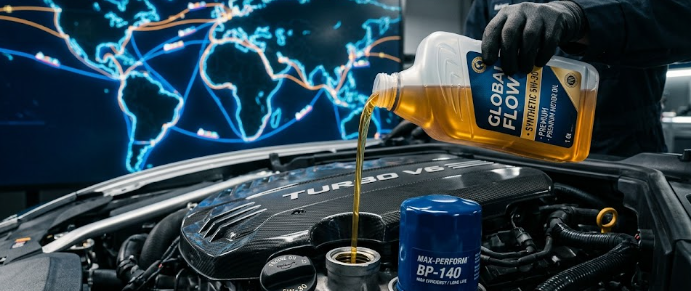
Recent global conflicts have severely disrupted critical shipping lanes in the Middle East. Consequently, the automotive industry faces a massive motor oil deficit that could affect every car owner. Industry analysts warned on May 22, 2026, that this supply chain shock will soon drive up maintenance prices at local mechanic shops. Therefore, drivers must understand how this shortage changes routine vehicle care and what steps they can take to protect their engines.
Understanding the Motor Oil Deficit and Base Oils
To manufacture high-quality lubricants, producers rely heavily on specific raw materials. Specifically, high-performance synthetic motor oils require specialized Group II and Group III base oils. Because regional conflicts have choked production at key overseas refineries, manufacturers cannot meet global demands.
As a direct result of this manufacturing bottleneck, industry experts predict a steep rise in retail prices. You can expect your standard oil change to cost 30% more by mid-summer. Therefore, budgeting for vehicle maintenance right now will save you from future financial surprises.
Viscosity Integrity Risks During a Motor Oil Deficit
As premium choices like 0W-20 and 5W-30 full synthetic oils disappear from shelves, drivers face a dangerous temptation. Many vehicle owners might consider substituting thicker, legacy oils like 10W-40 to save money or time. However, this mistake can destroy a modern engine.
Modern vehicles utilize advanced Variable Valve Timing (VVT) systems that feature ultra-tight tolerances. Consequently, thick oils restrict necessary fluid flow through these delicate components. If the oil cannot circulate properly, the engine will suffer severe friction and catastrophic hardware failure. For this reason, you must always stick to the exact viscosity rating printed on your oil cap.
Avoid Counterfeit Fluids Amid the Motor Oil Deficit
Furthermore, scarcity creates a perfect environment for scammers. Because authentic branded motor oils now command premium prices, dishonest sellers are flooding online marketplaces with counterfeit products. Often, these bad actors repackage cheap hydraulic fluid into branded motor oil bottles.
To protect your engine, you must inspect every bottle before purchase. Always look for official certification marks on the label. Specifically, ensure the packaging displays the American Petroleum Institute (API) donut or the ILSAC GF-6 verification stamp. Purchasing exclusively from reputable, authorized retailers will guarantee you receive genuine engine protection.
Beating the Motor Oil Deficit with Premium Filters
Fortunately, you can adapt to this crisis without harming your vehicle. Instead of changing your oil prematurely, you can extend your drain intervals safely by upgrading your hardware. For example, pairing your current oil with a premium, high-efficiency synthetic-media oil filter offers excellent protection.
These advanced filters carry ratings for up to 15,000 miles. They utilize a unique depth-filtration architecture to trap microscopic contaminants far better than standard cellulose filters. By trapping more debris, the filter preserves the integrity of your existing fluid for longer periods. Consequently, you can confidently drive further between oil changes while navigating this ongoing market shortage.
Ultimately, staying informed will help you survive this current automotive crisis. You can protect both your engine and your wallet by avoiding counterfeit fluids, maintaining correct viscosity, and utilizing high-quality filters. For a deeper breakdown of global supply chain disruptions and automotive news, check out the detailed market reports available on Automotive Logistics to see how global trade conflicts impact consumer goods worldwide.
References
- American Petroleum Institute (API). (2025). Engine Oil Licensing and Certification System Guide.
- Auto Care Association. (2026). Global Automotive Supply Chain Disruption Report (May 2026).
- Society of Automotive Engineers (SAE). (2024). The Impact of Oil Viscosity on Modern Variable Valve Timing Systems.