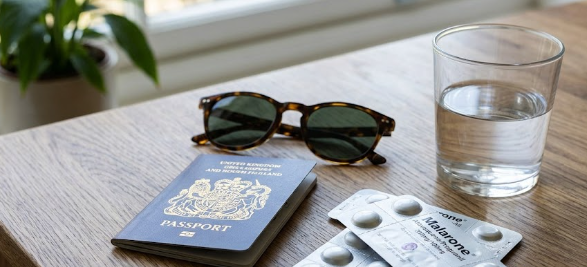
Malaria remains a serious global health threat, yet proper medications can effectively prevent and cure it. Therefore, understanding this guide to antimalarial drugs helps you protect your health whenever you travel to high-risk areas. Tiny parasites spread through mosquito bites and attack your red blood cells. Fortunately, modern medicine offers reliable treatments to combat these parasites.
However, people often confuse preventive pills with curative treatments. Selecting the correct drug depends on your destination, health status, and medical history. Consequently, knowing how these drugs work allows you to make safe, informed choices.
Prophylaxis vs. Treatment: What Is the Difference?
First, you must understand the difference between taking pills for prevention and taking them for treatment. Doctors call preventive medication prophylaxis. You take prophylactic pills before and during your trip to high-risk regions. These pills stay in your bloodstream and stop the malaria parasite from establishing an active infection in your body. For instance, a tourist visiting a tropical forest takes daily tablets so parasites cannot survive if a mosquito bites them.
In contrast, treatment regimens clear active bloodstream infections after a person already contracts the disease. Doctors prescribe higher doses or specific drug combinations to destroy millions of multiplying parasites rapidly. Thus, preventive drugs act like a protective shield, while treatment drugs act like an active defense force.
Key Medication Classes in This Guide to Antimalarial Drugs
Medical science uses several distinct drug classes to fight malaria effectively. Because parasites adapt over time, healthcare providers rely on specific categories for treatment and prevention.
+————————————+——————————–+————————————-+
| Drug Class / Name | Primary Purpose | Typical Usage Context |
+————————————+——————————–+————————————-+
| ACTs (e.g., Artemether-Lumefantrine)| Active Infection Treatment | Gold standard for P. falciparum |
| Atovaquone-Proguanil (Malarone) | Prevention & Treatment | Daily travel pill / acute treatment |
| Doxycycline | Prevention & Treatment | Daily travel pill for adults |
| Mefloquine | Prevention | Weekly travel pill |
| Chloroquine | Historical / Specific Regions | Limited due to parasite resistance |
+————————————+——————————–+————————————-+
Artemisinin-based Combination Therapies (ACTs)
Healthcare providers regard Artemisinin-based Combination Therapies (ACTs) as the gold standard for treating uncomplicated Plasmodium falciparum malaria. ACTs combine two active ingredients that work differently. The fast-acting artemisinin component quickly reduces the number of parasites in your blood, while the partner drug clears the remaining parasites. As a result, this combination cures infections rapidly and prevents the parasite from developing resistance.
Common Preventive Options
When you travel, doctors usually recommend one of three popular prophylactic options:
- Atovaquone-proguanil (Malarone): You take this pill once daily with food. Travelers like it because you only take it for one week after leaving the risk area.
- Doxycycline: This daily antibiotic offers an affordable option. However, you must continue taking it for four weeks after your return.
- Mefloquine: You take this medication once a week, making it convenient for long trips. Nevertheless, you must start it two weeks before traveling to check for potential side effects.
Chloroquine and Historical Context
Historically, chloroquine served as the primary weapon against malaria worldwide. Doctors used it successfully for decades because it was cheap and effective. Unfortunately, malaria parasites developed strong resistance to chloroquine in most parts of the world. Today, healthcare providers only prescribe chloroquine for specific regions where sensitive strains still exist.
Side Effects, Warnings, and Safety Precautions
Although these medications save lives, every user must follow key safety guidelines. Different drugs carry specific precautions that require your attention.
First, Mefloquine carries important neuropsychiatric warnings. It can cause vivid dreams, anxiety, depression, or confusion in sensitive individuals. Therefore, doctors avoid prescribing mefloquine to patients with a history of psychiatric conditions or seizures.
Second, Doxycycline increases your skin’s sensitivity to sunlight. If you take doxycycline while sunbathing on a tropical beach, you can develop severe sunburns quickly. Always wear sunscreen and protective clothing when taking this medication.
Finally, drugs like Primaquine and Tafenoquine require a Glucose-6-Phosphate Dehydrogenase (G6PD) blood test before use. These medications target dormant liver parasites to prevent relapses. However, if you lack the G6PD enzyme, these drugs can trigger severe red blood cell destruction. Therefore, lab testing guarantees your safety before starting treatment.
The Rising Challenge of Drug Resistance
The global medical community faces a growing challenge as drug-resistant malaria strains emerge. Parasites in parts of Southeast Asia and Africa have shown reduced sensitivity to artemisinin compounds. This trend threatens global control efforts because artemisinin forms the backbone of modern treatment.
To combat resistance, researchers constantly evaluate new drug combinations and vaccines. Furthermore, travelers must finish their entire prescribed course of medication. Skipping doses allows partial parasite survival, which accelerates drug resistance.
Summary of Safe Usage Guidelines
Ultimately, staying safe requires careful planning before you travel to malarious regions. Consult a medical professional at least four weeks before your trip to choose the right drug. Always inform your doctor about existing health conditions, current medications, and pregnancy status. Combine your pills with mosquito repellent, bed nets, and long clothing to maximize your protection.
For additional international health guidelines and regional treatment updates, check out the official World Health Organization Guidelines for Malaria.
References
- World Health Organization (WHO). WHO Guidelines for Malaria. Geneva: World Health Organization. https://www.who.int/publications/i/item/guidelines-for-malaria
- Centers for Disease Control and Prevention (CDC). Malaria Treatment Guidelines and Clinical Guidance. U.S. Department of Health & Human Services. https://www.cdc.gov/malaria/hcp/clinical-guidance/index.html
- National Institutes of Health (NIH). Dosing Recommendations for Prevention and Treatment of Malaria. U.S. Department of Health & Human Services. https://clinicalinfo.hiv.gov/en/table/dosing-recommendations-prevention-and-treatment-malaria