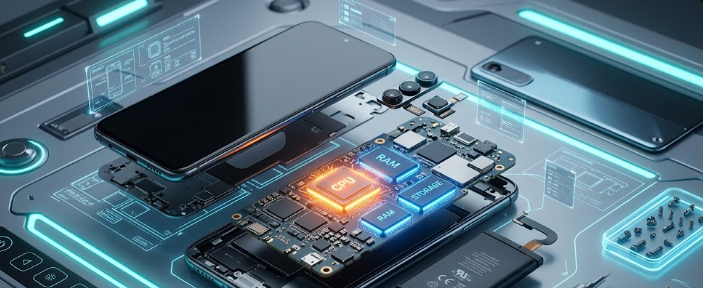
Smartphone shoppers are facing a massive surprise this year. For a long time, we all followed a simple rule: if you want a discount on a new device, just wait six months after it launches. However, recent tech market reports from Counterpoint Research and Omdia show a shocking new trend that breaks this rule completely. Because of an ongoing global supply crisis, you might never see mid-tier phones get cheaper in 2026.
The Real Reason Why Mid-Tier Phones Get Cheaper in 2026 Is a Myth
This pricing emergency is happening because of a hidden war over computer chips. Right now, giant tech companies are building massive artificial intelligence (AI) data centers. These data centers require the exact same type of memory chips, known as DRAM, that factories put inside our smartphones to run modern mobile AI features. Because these AI giants are buying up all the supply, the cost of parts has skyrocketed for mobile brands.
For instance, Akis Evangelidis, the co-founder of the tech brand Nothing, recently shared a scary warning about this issue. He revealed that memory blocks that used to cost phone makers just $20 have suddenly spiked to over $100 per device. Therefore, phone companies must spend five times more money just to build the same exact hardware. As a result of this extreme cost increase, manufacturers cannot afford to give you discounts anymore. Instead, they must keep retail prices high just to protect their businesses.
Understanding Spec Shrinkflation in Modern Devices
Since brands cannot easily lower their prices, they are turning to a sneaky strategy called “spec shrinkflation.” This happens when a company sells a phone for the same price as before, but quietly downgrades the internal parts to save money. Tech analysts discovered that over 130 smartphone models have recently undergone these quiet downgrades or mid-cycle price hikes.
For example, a brand might launch a popular mid-tier phone, but a few months later, they replace it with a version that removes 5G mobile data and goes back to slower 4G. Alternatively, they might give you less storage space or use older camera parts and processors from a few years ago. Consequently, you end up paying more money for less technology, which ruins the hope that mid-tier phones get cheaper in 2026.
Breaking the Anti-Discount Wave
Many smart buyers always say, “I will just wait six months for the launch price to drop.” Unfortunately, that strategy will fail you this year. This anti-discount wave means that phones are keeping their expensive launch prices for their entire lifespan. In fact, some devices are even getting more expensive several months after they hit the store shelves.
Because the global memory crisis shows no signs of slowing down, factory production is getting more difficult every day. Therefore, waiting around for a holiday sale or a price drop will likely leave you empty-handed. If you want to get a good value for your money, you must completely change how you shop for new mobile tech.
Your 2026 Smartphone Buying Guide
So, how can you protect your wallet from these rising costs? First, you should look for older inventory from early 2025. These older models were manufactured before the chip prices went completely wild, so they still offer great features for a fair price. Furthermore, try to avoid buying the versions with the highest RAM and storage options right now, because those specific models carry the biggest inflation price markups.
Second, you can look into modular or repairable phones. These unique phones allow you to open the back cover and upgrade the storage or fix parts yourself manually. By choosing a repairable chassis, you can keep your current device running smoothly for years without needing to buy a brand-new model.
Ultimately, navigating the smartphone market this year requires a lot of patience and research. You must accept that the old days of quick price drops are gone, and we may truly never see mid-tier phones get cheaper in 2026. To better understand how global supply chains and chip shortages affect the gadgets you use every day, you can read this detailed analysis on Counterpoint Research for further market insights.
References
- Counterpoint Research. (2026). Global Smartphone Component Cost Tracker and Market Monitor.
- Omdia Perspective Report. (2026). The Impact of Enterprise AI Growth on Consumer Electronics Supply Chains.
- Evangelidis, A. (2026). Public Statement on Mobile DRAM and Component Supply Pressures.