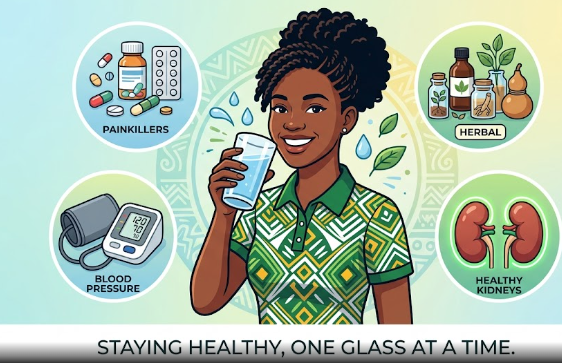
In recent years, medical experts have raised a serious alarm over the surge of kidney disease among young Nigerians. Hospital wards across the country now treat young adults between 18 and 40 years old for severe kidney failure. Previously, doctors treated major kidney complications mostly in older adults. Today, however, university students and young professionals face life-threatening organ damage before reaching middle age. Many young people engage in high-risk health habits every day without realizing the hidden danger to their bodies.
The Rising Shift in Kidney Disease Among Young Nigerians
Hospital records across Nigeria show two distinct types of kidney damage rising rapidly among youths: Acute Kidney Injury (AKI) and Chronic Kidney Disease (CKD). AKI refers to a sudden shutdown of kidney function, which can happen within days or even hours. Conversely, CKD develops slowly over months or years, permanently scarring the kidney tissues.
Consequently, many young patients arrive at emergency rooms needing urgent dialysis treatment. Dialysis is a mechanical process that filters toxic waste from your blood when your kidneys stop working. Because early-stage kidney damage rarely causes physical pain, young people often ignore subtle warning signs like unexplained fatigue or swollen ankles until severe damage occurs.
Over-the-Counter Painkillers: A Hidden Threat
Many young Nigerians rely heavily on non-steroidal anti-inflammatory drugs (NSAIDs) to handle daily stress, intense fatigue, or routine headaches. Popular over-the-counter NSAIDs include ibuprofen, diclofenac, and ketoprofen. While these medications offer fast pain relief, chronic reliance on them causes severe internal harm.
To filter blood properly, your kidneys depend on natural chemical compounds called prostaglandins. Prostaglandins act like tiny signals that keep the blood vessels inside your kidneys wide open. When you take NSAIDs regularly, these medications block the production of prostaglandins. As a result, blood flow to your kidneys drops significantly, starving the organs of oxygen and nutrients. Over time, this constant oxygen shortage destroys healthy kidney tissue.
Herbal Concoctions and Skin Lightening Creams
In addition to chemical painkillers, unstandardized traditional herbal mixtures (agbo) contribute greatly to kidney damage in young adults. Many vendors sell herbal drinks on street corners, claiming these liquids cure everything from back pain to infections. However, producers do not measure or test the concentrations of active ingredients in these mixtures.
Because these concoctions contain unknown plants and chemicals, your kidneys must work twice as hard to process and flush them out. Consequently, toxic compounds accumulate in your body and directly poison kidney cells.
Furthermore, popular cosmetic products pose another major threat to kidney health. Many skin-lightening creams contain heavy metals, particularly inorganic mercury. When users apply these creams to their skin, the body absorbs the mercury directly into the bloodstream. Eventually, mercury settles in the kidneys, disrupting their filtration system and causing permanent scarring.
Silent Risks: High Blood Pressure and Diabetes
Undiagnosed medical conditions like high blood pressure (hypertension) and elevated blood sugar levels also drive kidney disease among young Nigerians. Unfortunately, many young adults rarely check their blood pressure or blood sugar, assuming these health issues only affect the elderly.
Your kidneys contain millions of microscopic filtering units known as nephrons. Think of nephrons as ultra-fine strainers that clean waste from your blood while retaining essential proteins. When high blood pressure forces blood through these delicate strainers at extreme force, it tears and hardens the walls of the nephrons.
Similarly, elevated blood sugar levels damage these filters over time, causing toxic waste to build up in your bloodstream. Because both hypertension and diabetes develop silently without obvious symptoms, they destroy nephrons for years before a doctor detects them.
Simple Steps to Protect Your Kidney Health
Fortunately, you can take practical steps today to protect your kidneys from long-term damage. First, avoid taking over-the-counter painkillers like ibuprofen or diclofenac for minor body aches; instead, rest and drink plenty of water. Second, stay away from unverified herbal drinks and avoid skin cosmetics that contain mercury.
Finally, schedule regular medical check-ups to monitor your blood pressure and blood sugar levels at least once every six months. Early detection saves lives and prevents permanent organ damage. For more detailed medical guidance on maintaining optimal organ function and preventing kidney failure, you can read more at the National Kidney Foundation.
References
- Oluyombo, R., et al. (2016). Chronic kidney disease burden in rural and urban populations in Southwest Nigeria. BMC Nephrology, 17(1), 168.
- Ulasi, I. I., & Ijoma, C. K. (2010). The enormity of chronic kidney disease in Nigeria: The situation in a teaching hospital in South-East Nigeria. Tropical Journal of Medical Research, 14(1), 38-42.
- World Health Organization. (2019). Mercury in Skin Lightening Products. WHO Public Health Guidelines.
- Nalado, A. M., et al. (2012). Prevalence of risk factors for chronic kidney disease in a community in Kano, North-West Nigeria. Sub-Saharan African Journal of Medicine, 1(2), 82-88.