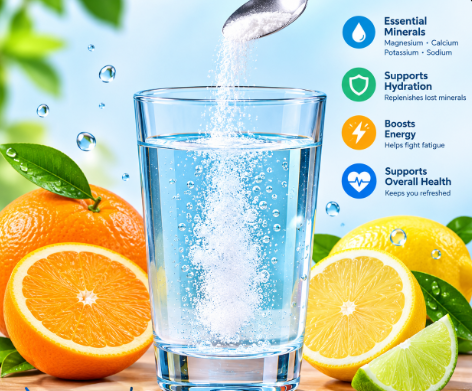
Many health and fitness trends promote colorful sports drinks and mineral tablets, leaving people to wonder: what are electrolytes, and do I need to take supplements? Electrolytes are essential minerals that carry an electric charge when dissolved in your bodily fluids. These vital minerals include sodium, potassium, calcium, and magnesium. They help your body regulate chemical reactions, balance fluid levels, and support nerve signaling.
When you sweat during intense workouts or outdoor site work, your body loses these crucial minerals rapidly. However, you do not always need expensive sports drinks to replace them. Understanding how these minerals work helps you make smart choices for your daily health and hydration.
What Are Electrolytes and How Do They Work?
Electrolytes act like tiny electrical batteries inside your body. They power your nervous system and control muscle contractions. For example, calcium helps your heart muscle beat steadily. Meanwhile, sodium and potassium manage the fluid balance inside and outside your cells.
Without a proper balance of these minerals, your muscles cramp easily, and your brain feels foggy. Therefore, maintaining healthy mineral levels keeps your body functioning smoothly throughout a busy workday.
Common Signs of an Electrolyte Imbalance
When your body loses too much water and salt, it signals distress. You might experience several warning signs if your mineral levels drop too low.
- Muscle Cramps: Sharp pains in your legs or arms during physical activity.
- Severe Fatigue: Feeling exhausted even after a full night of rest.
- Dizziness: Lightheadedness when standing up quickly.
- Headaches: Persistent dull aches caused by mild dehydration.
Recognizing these symptoms early helps you fix your hydration levels before minor discomfort turns into serious physical exhaustion.
Natural Food Sources Versus Commercial Supplements
Many people assume they need costly powders or bottled drinks to stay hydrated. In reality, a balanced diet provides all the essential minerals you need naturally.
| Mineral | Natural Food Source | Primary Body Function |
| Potassium | Bananas, potatoes, spinach | Regulates blood pressure and muscle function |
| Sodium | Table salt, soups, pickles | Controls fluid balance and nerve impulses |
| Magnesium | Nuts, seeds, whole grains | Supports energy production and bone strength |
| Calcium | Dairy products, leafy greens | Builds strong bones and aids muscle contraction |
Do You Actually Need to Take Electrolyte Supplements?
Not everyone needs daily electrolyte powders. If you sit at a desk most of the day and drink plain water, your normal meals provide enough minerals.
However, you may benefit from supplements under specific conditions. If you work outdoors in hot weather, sweat heavily, or exercise for over an hour, your body loses salt rapidly. In these situations, adding electrolyte tablets to your water bottle prevents dehydration and muscle fatigue.
Simple Tips to Maintain Healthy Daily Hydration
You can easily manage your hydration without buying expensive products. Drink water steadily throughout the day rather than gulping huge amounts at once.
Additionally, eat a balanced diet rich in fruits and vegetables. These wholesome foods supply natural minerals and vitamins that keep your body energized.
When to Seek Medical Advice for Fatigue
If you drink plenty of water and eat healthy meals but still feel constantly weak, consult a doctor. Persistent fatigue can point to hidden vitamin deficiencies or other medical issues.
Taking care of your health allows you to work efficiently on your projects every day. For more wellness guides and health tips, visit Healthline for further reading on the topic.
References
- National Institutes of Health. “Fluid and Electrolyte Balance in the Human Body.” NIH Educational Resources (2025).
- American College of Sports Medicine. “Hydration and Physical Performance Consensus Guidelines.” ACSM Health Review (2025/2026).
- Harvard T.H. Chan School of Public Health. “The Importance of Minerals and Hydration.” Nutrition Source (2026).