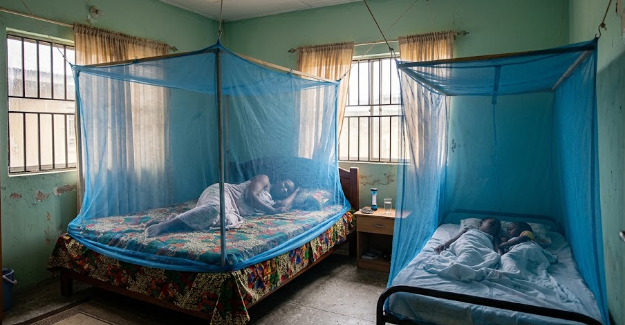
Malaria remains one of the greatest health challenges in West Africa, especially for young children and nursing mothers. However, using Insecticide-Treated Nets (ITNs) provides a simple and life-saving defense against mosquito bites. These specialized nets do not merely block insects physically; they also repel and kill them on contact. As a result, sleeping under a net significantly reduces malaria transmission across Nigerian households.
What Are Insecticide-Treated Nets (ITNs) and LLINs?
In simple terms, an insecticide-treated net is a fabric canopy coated with safe chemicals that kill or repel mosquitoes. Today, public health agencies primarily distribute Long-Lasting Insecticidal Nets (LLINs). Manufacturers weave the chemical treatment directly into the synthetic fibers during production. Consequently, these modern nets remain effective for up to three years or 20 washes without needing frequent re-treatment.
For example, when an infected mosquito flies toward a person sleeping under an LLIN, the net acts in two distinct ways. First, the mesh forms a physical wall that keeps the insect away from your skin. Second, the chemical treatment paralyzes the mosquito as soon as it touches the fabric. Therefore, the net protects the person inside and simultaneously lowers the total mosquito population in your bedroom.
Types of Nets and How to Choose the Right One
Health experts classify nets based on the active chemical ingredients they contain. Traditional models rely on pyrethroid-only insecticides. These nets worked extremely well for decades. However, mosquitoes in many parts of West Africa have developed chemical resistance against standard pyrethroids over time.
To solve this challenge, scientists created dual-active ingredient nets. These advanced nets combine pyrethroids with additional synergist chemicals like Piperonyl Butoxide (PBO) or Pyriproxyfen. For instance, PBO neutralizes the mosquito’s natural chemical defenses, allowing the primary insecticide to kill the insect efficiently. Therefore, if you live in an area with high mosquito resistance, you should select a dual-active ingredient net for maximum home protection.
How to Properly Hang Insecticide-Treated Nets (ITNs)
Hanging your net correctly ensures complete coverage and prevents fabric damage. Generally, you will find two main shapes in the market: rectangular nets and conical nets. Rectangular nets offer more internal space, making them ideal for double beds or family sleeping mats. On the other hand, conical nets require only a single ceiling hook, which makes them faster to set up in smaller rooms.
To hang a rectangular net, tie strong strings to the four corner loops and attach them securely to ceiling hooks or wall nails. Ensure the net hangs straight down without sagging over your face while you sleep. Furthermore, always tuck the bottom edges of the net underneath your mattress or sleeping mat before nightfall. This crucial step closes all gaps where crawling mosquitoes might enter.
Safety Steps Before Using a New Net
When you unpack a fresh net, you might notice a strong chemical odor. Furthermore, direct exposure to a brand-new net can cause mild skin tingling or eye irritation, particularly in newborn babies and nursing mothers. However, you can easily prevent these mild side effects with proper handling.
Before hanging a new net indoors, remove it from its plastic wrapper and air it out in a shaded, well-ventilated area for at least 24 hours. Do not place the fresh net directly in bright sunlight during this airing process, as heavy ultraviolet rays weaken the insecticide. After 24 hours of shade-airing, the chemical scent disappears, making the net completely safe for your entire family.
Cleaning and Maintaining Your Insecticide-Treated Nets (ITNs)
Proper maintenance keeps your net clean while preserving its active mosquito-fighting chemical layer. Wash your net only when it becomes visibly dirty, typically once every two to three months. In addition, always wash the net gently by hand in a basin of cool or lukewarm water using mild soap.
Avoid using harsh detergents, liquid bleaches, or rough washing boards because these aggressive products strip away the protective insecticide. Furthermore, never dry your net under direct sunlight or inside a heated machine dryer. Instead, flat-dry or line-dry the net in the shade. Shade drying protects the active ingredients and extends the overall usable lifespan of the fabric.
When Should You Replace Your Net?
Although LLINs last a long time, their protective qualities eventually wear down over time. You should inspect your bed nets regularly for physical tears or chemical exhaustion. For example, if your net develops multiple large holes that you cannot sew shut, mosquitoes will easily fly inside while you sleep.
Additionally, most nets lose their chemical strength after 20 washes or roughly three years of daily usage. Consequently, when your net reaches this limit, replace it immediately with a new unit to guarantee unbroken defense against malaria.
Conclusion: Protect Your Household Today
In conclusion, consistent use of treated bed nets remains the single most effective and affordable strategy to prevent malaria across West Africa. By choosing the right net type, hanging it securely, and following proper cleaning rules, you create a safe environment for your household every night.
Take proactive steps today to safeguard your family against mosquito-borne diseases. For more detailed clinical guidelines and global vector control strategies, visit the World Health Organization Malaria Guidelines.
References
- World Health Organization (WHO). (2023). WHO Guidelines for Malaria Vector Control and LLIN Distribution. Geneva: World Health Organization.
- Federal Ministry of Health Nigeria. (2022). National Malaria Elimination Programme (NMEP) Strategic Plan and Operational Manual. Abuja: FMOH.
- Centers for Disease Control and Prevention (CDC). (2024). Insecticide-Treated Bed Nets: Choice, Care, and Safety. Atlanta: CDC.