
Taming High Blood Pressure: A Simple Guide to Your Medications

High blood pressure, or hypertension, is a common health issue where the force of blood against your artery walls is too high. Over time, this can lead to serious problems like heart disease and stroke. Luckily, there are many effective medications available to help manage it. These drugs work in different ways, and your doctor will choose the best one for you based on your health needs.

This article will explain the main types of blood pressure medications in simple terms, outlining their pros and cons, and giving some examples of common drugs in each group.


The Main Players: Common Classes of Hypertension Drugs

Here’s a look at the most common groups of medications used to lower blood pressure:

1. Diuretics (Water Pills)

Diuretics help your body get rid of extra salt and water through urine. This means there’s less fluid flowing through your blood vessels, which reduces blood pressure.

  • Advantages:
    • Often the first choice for treating high blood pressure.
    • Generally effective and affordable.
    • Can be particularly helpful for older adults and African Americans.
    • Helpful in reducing swelling (edema).
  • Disadvantages:
    • May cause you to urinate more often.
    • Can lead to loss of potassium, which might require monitoring or supplements (some types are “potassium-sparing”).
    • May cause dizziness, dehydration, or muscle cramps.
    • Can sometimes affect blood sugar or cholesterol levels.
  • Examples of Diuretics:
    1. Hydrochlorothiazide (HCTZ): A very common thiazide diuretic, often used as a first-line treatment.
    2. Chlorthalidone: Similar to HCTZ but may last longer in the body, potentially offering better blood pressure control over 24 hours.
    3. Furosemide (Lasix): A powerful loop diuretic, often used when stronger fluid removal is needed, such as in heart failure or kidney disease.
    4. Spironolactone (Aldactone): A potassium-sparing diuretic, meaning it helps remove water and salt without causing significant potassium loss. It also blocks a hormone called aldosterone.
    5. Indapamide: A thiazide-like diuretic that works similarly to HCTZ and chlorthalidone to lower blood pressure.

2. Angiotensin-Converting Enzyme (ACE) Inhibitors

ACE inhibitors help relax your blood vessels by blocking the production of a natural chemical called angiotensin II, which normally narrows blood vessels.

  • Advantages:
    • Very effective in lowering blood pressure.
    • Good for people with certain kidney problems (especially due to diabetes) or heart failure.
    • Generally well-tolerated.
  • Disadvantages:
    • Can cause a dry, persistent cough in some people.
    • May cause dizziness or high potassium levels.
    • Rarely, can cause a serious side effect called angioedema (swelling of the face, lips, and throat).
    • Not recommended during pregnancy.
  • Examples of ACE Inhibitors:
    1. Lisinopril (Zestril, Prinivil): A widely prescribed ACE inhibitor, taken once daily.
    2. Enalapril (Vasotec): Another common ACE inhibitor, often used for hypertension and heart failure.
    3. Ramipril (Altace): Used for high blood pressure, heart failure, and to reduce the risk of heart attack or stroke in high-risk patients.
    4. Captopril: One of the first ACE inhibitors developed, it may need to be taken multiple times a day.
    5. Benazepril (Lotensin): Prescribed for hypertension, it helps relax blood vessels and decrease blood volume.

3. Angiotensin II Receptor Blockers (ARBs)

ARBs also block the effects of angiotensin II, but they do so by preventing it from binding to its receptors in the blood vessels. This also helps relax blood vessels and lower blood pressure. They are often used when ACE inhibitors cause side effects like a cough.

  • Advantages:
    • Similar benefits to ACE inhibitors (effective, good for kidney disease and heart failure).
    • Less likely to cause a dry cough compared to ACE inhibitors.
    • Generally well-tolerated.
  • Disadvantages:
    • Can cause dizziness or high potassium levels.
    • Rarely, can cause angioedema (though less common than with ACE inhibitors).
    • Not recommended during pregnancy.
  • Examples of ARBs:
    1. Losartan (Cozaar): A commonly used ARB for hypertension, also helps protect kidneys in diabetic patients.
    2. Valsartan (Diovan): Prescribed for high blood pressure, heart failure, and after a heart attack.
    3. Irbesartan (Avapro): Used to treat high blood pressure and protect kidneys in patients with type 2 diabetes.
    4. Candesartan (Atacand): Effective for hypertension and heart failure.
    5. Olmesartan (Benicar): Used for hypertension, it blocks angiotensin II from tightening blood vessels.

4. Calcium Channel Blockers (CCBs)

Calcium channel blockers prevent calcium from entering the muscle cells of your heart and blood vessels. This allows blood vessels to relax and widen, making it easier for blood to flow and lowering blood pressure. Some CCBs can also slow your heart rate.

  • Advantages:
    • Effective in lowering blood pressure, especially for African Americans and older adults.
    • Can be helpful for treating chest pain (angina) and irregular heartbeats.
  • Disadvantages:
    • Can cause side effects like headache, dizziness, flushing (redness of the skin), and swelling in the ankles or feet.
    • Some types can cause constipation.
    • Certain CCBs should not be taken with grapefruit juice as it can affect how the drug works.
  • Examples of Calcium Channel Blockers:
    1. Amlodipine (Norvasc): A very common dihydropyridine CCB, mainly affects blood vessels.
    2. Nifedipine (Procardia): Another dihydropyridine CCB, used for hypertension and angina.
    3. Diltiazem (Cardizem): A non-dihydropyridine CCB that affects both blood vessels and the heart, helping to slow heart rate.
    4. Verapamil (Calan, Verelan): A non-dihydropyridine CCB, primarily affects the heart to reduce heart rate and workload, also relaxes blood vessels.
    5. Felodipine: A dihydropyridine CCB that widens blood vessels to lower blood pressure.

5. Beta-Blockers

Beta-blockers work by blocking the effects of the hormone adrenaline (epinephrine). This makes your heart beat slower and with less force, which lowers blood pressure.

  • Advantages:
    • Effective for lowering blood pressure.
    • Also used for conditions like angina, heart failure, irregular heartbeats, and migraines.
    • Can be beneficial after a heart attack.
  • Disadvantages:
    • May cause fatigue, cold hands and feet, dizziness, or sleep problems.
    • Can worsen asthma symptoms in some people.
    • May affect blood sugar levels in people with diabetes.
    • Can sometimes cause erectile dysfunction.
    • Stopping beta-blockers suddenly can be dangerous; they should be tapered off under a doctor’s supervision.
  • Examples of Beta-Blockers:
    1. Metoprolol (Lopressor, Toprol XL): A commonly used beta-blocker, available in immediate-release and extended-release forms.
    2. Atenolol (Tenormin): Another common beta-blocker, primarily affects the heart.
    3. Propranolol (Inderal): One of the older beta-blockers, used for various conditions including hypertension, anxiety, and migraines.
    4. Bisoprolol (Zebeta): Often used for hypertension and heart failure, it mainly targets beta-1 receptors in the heart.
    5. Carvedilol (Coreg): A beta-blocker that also has alpha-blocking properties, meaning it relaxes blood vessels as well as slowing the heart.

Other Important Classes:

While the above are the most common, other classes of drugs can also be used:

6. Alpha-Blockers

Alpha-blockers reduce nerve impulses to blood vessels, allowing blood to pass more easily and causing blood pressure to go down. They can also be used to treat prostate problems in men.

  • Advantages:
    • Can improve urine flow in men with benign prostatic hyperplasia (BPH).
    • May have a beneficial effect on cholesterol levels.
  • Disadvantages:
    • May cause dizziness, lightheadedness, or fainting, especially with the first dose or when standing up quickly (orthostatic hypotension).
    • Can cause headache or a fast heartbeat.
    • Not usually the first choice for treating high blood pressure alone.
  • Examples of Alpha-Blockers:
    1. Doxazosin (Cardura): Used for both hypertension and BPH.
    2. Prazosin (Minipress): Prescribed for high blood pressure; may also be used off-label for conditions like PTSD-related nightmares.
    3. Terazosin (Hytrin): Treats both high blood pressure and symptoms of an enlarged prostate.
    4. Tamsulosin (Flomax): Primarily used for BPH, but has some blood pressure-lowering effects. (Often considered more selective for prostate).
    5. Alfuzosin (Uroxatral): Another drug primarily for BPH that can also lower blood pressure.

7. Vasodilators

These drugs directly relax the muscles in the walls of your blood vessels (especially arteries), causing them to widen and allowing blood to flow more easily.

  • Advantages:
    • Can be very effective in lowering severely high blood pressure.
  • Disadvantages:
    • Can cause side effects like headache, flushing, rapid heartbeat (palpitations), and fluid retention (swelling).
    • Often used in combination with other blood pressure medications to manage side effects.
    • Usually reserved for difficult-to-control hypertension.
  • Examples of Vasodilators:
    1. Hydralazine: Directly relaxes the smooth muscles of arterioles (small arteries).
    2. Minoxidil: A very potent vasodilator, often used for severe, resistant hypertension. Also known for its topical use for hair growth (Rogaine).
    3. Nitroprusside: A powerful intravenous vasodilator used in hypertensive emergencies.
    4. Isosorbide dinitrate: Primarily used for angina, but has vasodilating effects that can lower blood pressure.
    5. Isosorbide mononitrate: Similar to isosorbide dinitrate, used for angina prevention with blood pressure-lowering effects.

8. Renin Inhibitors

This is a newer class of drugs. They work by blocking renin, an enzyme produced by your kidneys that starts a chemical reaction that raises blood pressure.

  • Advantages:
    • Targets the renin-angiotensin-aldosterone system (RAAS) at its starting point.
  • Disadvantages:
    • Can cause diarrhea and other digestive issues.
    • May cause dizziness or cough.
    • Should not be used with ACE inhibitors or ARBs in people with diabetes or kidney problems due to increased risks.
    • Not recommended during pregnancy.
  • Examples of Renin Inhibitors:
    1. Aliskiren (Tekturna): Currently the only approved renin inhibitor. It directly blocks the action of renin. (Note: Availability and use may vary by region and evolving guidelines.) (Currently, Aliskiren is the primary drug in this class. Finding five distinct examples of widely used renin inhibitors is difficult as it’s a smaller and newer class compared to others.)

Important Things to Remember

  • Never stop or change your medication without talking to your doctor. Suddenly stopping some blood pressure drugs can be dangerous.
  • Take your medication as prescribed, even if you feel fine. High blood pressure often has no symptoms.
  • Lifestyle changes like a healthy diet, regular exercise, quitting smoking, and managing stress are also very important for controlling blood pressure and often work alongside medications.
  • Regular check-ups with your doctor are crucial to monitor your blood pressure and make sure your treatment is working effectively and safely.

Managing high blood pressure is a partnership between you and your healthcare provider. Understanding your medications is a key part of taking control of your health. If you have any questions or concerns about your blood pressure treatment, always speak to your doctor or pharmacist.
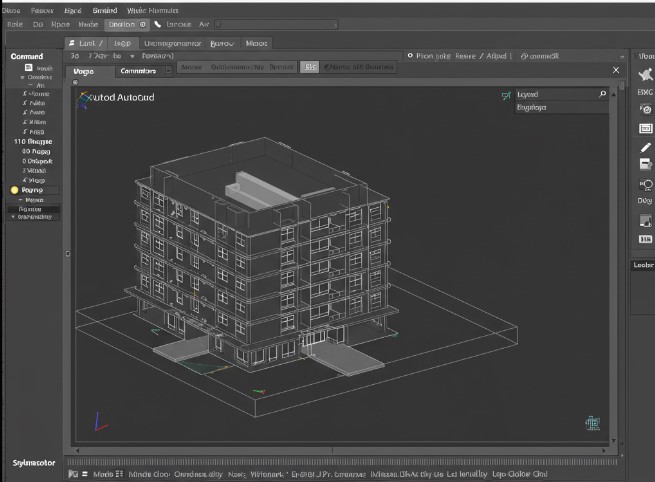

AutoCAD: The Enduring Standard in Design and Drafting and Its Place in a BIM World

Autocad software

For decades, AutoCAD has been a cornerstone in the world of design and engineering, empowering professionals to bring their visions to life with precision and efficiency. As a foundational computer-aided design (CAD) software, its impact is undeniable. This article delves into what AutoCAD is, its diverse applications, how it has evolved, its future trajectory, and its relationship with the increasingly prevalent Building Information Modeling (BIM).

What is AutoCAD?

AutoCAD, developed by Autodesk, is a commercial software application for 2D and 3D computer-aided design (CAD) and drafting. First released in December 1982, it revolutionized the design process by allowing users to create detailed technical drawings and models on personal computers, a significant shift from the then-dominant mainframe or minicomputer-based systems. AutoCAD enables users to draw, edit, and document projects with a high degree of accuracy, making it an indispensable tool across a multitude of industries.

Main Uses and Applications of AutoCAD

AutoCAD’s versatility has led to its adoption in a wide array of fields. Key applications include:

  • Architecture: Creating detailed floor plans, building elevations, sections, and 3D models of structures.
  • Engineering:
  • Civil Engineering: Designing infrastructure projects like roads, bridges, and land development layouts.
  • Mechanical Engineering: Drafting mechanical components, machinery, and assembly drawings with precise dimensions.
  • Electrical Engineering: Creating wiring diagrams, circuit board layouts, and schematics.
  • MEP (Mechanical, Electrical, and Plumbing): Designing and coordinating building systems.
  • Construction: Developing construction documents, shop drawings, and as-built plans.
  • Manufacturing: Designing products, parts, and creating plans for manufacturing processes.
  • Interior Design: Planning space layouts, furniture arrangements, and creating detailed interior elevations.
  • Urban Planning: Developing city layouts, site plans, and mapping.
  • Product Design: Creating prototypes and detailed specifications for various products.
  • Fashion and Jewelry Design: Designing intricate patterns and detailed models.

Its ability to produce precise 2D drafts and increasingly sophisticated 3D models has cemented its role as a fundamental tool for professionals requiring accuracy and detailed documentation.

The Evolution of AutoCAD: From Pixels to Parametrics

AutoCAD’s journey since 1982 has been one of continuous innovation and adaptation:

  • Early Days (1980s): The initial versions focused on bringing 2D drafting to personal computers, offering basic drawing tools and layer management. It quickly gained traction due to its accessibility.
  • Advancements in 3D (1990s): Autodesk introduced more robust 3D modeling capabilities, such as the Advanced Modeling Extension (AME) in AutoCAD Release 11. User interfaces became more refined, and specialized versions like AutoCAD LT (a more affordable 2D version) and AutoCAD for Mac emerged.
  • Increased Sophistication (2000s): This era saw further enhancements in 3D modeling, improved rendering, and the introduction of dynamic blocks and parametric constraints, allowing for more intelligent and flexible designs. Industry-specific toolsets (e.g., AutoCAD Architecture, AutoCAD Mechanical) provided tailored functionalities.
  • Cloud and Collaboration (2010s – Present): Recognizing the need for greater connectivity, Autodesk integrated cloud storage and collaboration features. AutoCAD mobile and web apps enabled users to view, edit, and share drawings across devices. Recent versions focus on automation, AI-powered insights, and streamlined workflows.

Throughout its evolution, AutoCAD has consistently incorporated user feedback and technological advancements, maintaining its relevance in a rapidly changing digital landscape.

The Future of AutoCAD: Smarter, Faster, and More Connected

The future of AutoCAD is poised to be shaped by several key technological trends:

  • Artificial Intelligence (AI) and Machine Learning (ML): Expect AI to play a more significant role in automating repetitive tasks, optimizing designs, identifying potential clashes, and providing intelligent suggestions to users.
  • Enhanced Cloud Capabilities: Cloud-based collaboration, data management, and real-time project sharing will continue to be a central focus, facilitating seamless teamwork across geographically dispersed teams.
  • Immersive Technologies (VR/AR): Integration with Virtual Reality (VR) and Augmented Reality (AR) will offer new ways to visualize and interact with designs, enabling immersive design reviews and stakeholder presentations.
  • Streamlined Workflows and Customization: Further improvements in user interface (UI) and user experience (UX), along with greater customization options, will allow professionals to tailor the software to their specific needs and workflows.
  • Mobile Accessibility: Continued development of robust mobile and web applications will provide greater flexibility for working on designs from anywhere, on any device.
  • Sustainability Focus: Tools and features that support sustainable design practices, such as energy analysis and material efficiency, are likely to become more prominent.

AutoCAD is evolving to become an even more intelligent, intuitive, and connected platform for designers and engineers.

AutoCAD vs. Building Information Modeling (BIM): Understanding the Difference

While AutoCAD is a CAD software, Building Information Modeling (BIM) is a process or methodology. It’s crucial to understand their distinctions:

  • AutoCAD (CAD):
  • Focus: Primarily on creating geometric representations – 2D drawings (lines, arcs, circles) and 3D models.
  • Output: Digital drawings and models that convey design intent and specifications.
  • Data: While it can contain data (e.g., dimensions, annotations), the core is the geometry.
  • Workflow: Often used for individual design tasks, detailing, and documentation.
  • Building Information Modeling (BIM):
  • Focus: Creating an intelligent, data-rich digital representation of a facility’s physical and functional characteristics throughout its lifecycle – from conception to demolition.
  • Output: A comprehensive digital model (or set of federated models) that contains information about elements (e.g., walls, doors, pipes) including their properties, relationships, quantities, costs, and schedules.
  • Data: The “I” in BIM (Information) is key. BIM models are databases where objects are “smart” and understand their relationships with other objects.
  • Workflow: A collaborative process involving all project stakeholders (architects, engineers, contractors, owners) working with a shared information model. It supports analysis, simulation, and lifecycle management.

In essence, AutoCAD is a tool primarily for drafting and design visualization, while BIM is a holistic approach to project delivery and asset management, centered around an intelligent model. Software like Autodesk Revit is purpose-built for BIM.

Is BIM a Threat to AutoCAD?

The rise of BIM has led to discussions about its impact on AutoCAD’s dominance. Here’s a nuanced perspective:

  • Different Strengths: Standard AutoCAD, in its native form, is not inherently a BIM tool as it lacks the comprehensive data management and object-based intelligence central to BIM. However, AutoCAD can be enhanced with add-ons to incorporate some BIM functionalities.
  • Complementary Roles: AutoCAD and BIM (often facilitated by software like Revit) can and often do coexist. AutoCAD remains highly valuable for:
  • Detailed 2D Drafting: Many industries still rely heavily on precise 2D drawings for construction documentation, manufacturing specifications, and schematics, areas where AutoCAD excels.
  • Specific Design Tasks: It can be used to create detailed components or preliminary sketches that are then imported into a BIM environment.
  • Legacy Data: A vast amount of existing design data is in AutoCAD’s DWG format, ensuring its continued relevance for working with older projects.
  • Evolution, Not Replacement (for many): BIM is widely seen as an evolution in the Architecture, Engineering, and Construction (AEC) industry, offering significant advantages in collaboration, efficiency, and lifecycle management, especially for complex projects. While BIM adoption is growing rapidly, it doesn’t necessarily mean the immediate obsolescence of AutoCAD.
  • Autodesk’s Ecosystem: Autodesk, the developer of both AutoCAD and leading BIM software like Revit, positions them as part of a broader ecosystem. They offer suites that include both, allowing professionals to leverage the strengths of each.
  • Market Adaptation: While for many BIM-centric projects, dedicated BIM software like Revit is the primary authoring tool, AutoCAD continues to be a crucial skill and is adapting with features that improve interoperability with BIM workflows.

BIM represents a significant shift in how building and infrastructure projects are designed, constructed, and managed. While it offers a more comprehensive and data-rich approach than traditional CAD, AutoCAD is not disappearing. It remains a powerful and widely used tool for drafting, detailed design, and specific applications across numerous industries. For many professionals, the question is not “AutoCAD or BIM?” but rather “How can AutoCAD and BIM workflows be best integrated?”. The future likely involves leveraging the strengths of both, with BIM processes becoming increasingly central while AutoCAD continues to serve essential roles in the broader design and engineering landscape.

Nifedipine: Understanding How This Medication Lowers Blood Pressure

 A stylized illustration of a blood vessel dilating, with calcium ions being blocked from entering muscle cells

High blood pressure, or hypertension, is a prevalent condition that significantly increases the risk of heart disease, stroke, and other serious health problems. Fortunately, various effective medications are available to manage hypertension, and nifedipine is one such widely prescribed drug. Understanding how nifedipine works to lower blood pressure can empower patients and healthcare providers alike. This article delves into the pharmacological action of nifedipine, explaining its role in promoting cardiovascular health.

Nifedipine belongs to a class of drugs known as calcium channel blockers, specifically dihydropyridine calcium channel blockers. Its primary mechanism of action revolves around its ability to selectively inhibit the influx of calcium ions into certain types of muscle cells, particularly the smooth muscle cells found in the walls of arteries.

To appreciate how nifedipine works, it’s essential to understand the role of calcium in muscle contraction. Calcium ions act as intracellular messengers that trigger the contraction of muscle fibers. In the context of blood vessels, when calcium enters the smooth muscle cells of arterial walls, it causes these muscles to contract. This contraction leads to a narrowing of the blood vessels, a process called vasoconstriction. Vasoconstriction increases the resistance against which the heart has to pump blood, thereby elevating blood pressure.

Nifedipine intervenes in this process by binding to specific calcium channels, known as L-type calcium channels, located on the surface of these arterial smooth muscle cells. By blocking these channels, nifedipine effectively reduces the amount of calcium that can enter the cells. With less calcium available inside the cells, the contractile activity of the arterial smooth muscles is diminished.

The direct consequence of this reduced muscle contraction is vasodilation – the widening or relaxation of the blood vessels. As the arteries dilate, the overall resistance to blood flow decreases. This makes it easier for the heart to pump blood throughout the body, leading to a reduction in both systolic and diastolic blood pressure.

Essentially, nifedipine doesn’t directly affect the heart’s pumping force in most cases (at typical therapeutic doses for hypertension). Instead, its main effect is on the peripheral vasculature – the network of arteries throughout the body. By relaxing these arteries, nifedipine creates a larger-caliber system for blood to flow through, thereby lowering the pressure within that system.

It’s also worth noting that while nifedipine’s primary action is on arterial smooth muscle, it has minimal effect on the calcium channels in heart muscle cells at standard doses, distinguishing it from some other types of calcium channel blockers that may have more direct effects on heart rate and contractility.

In summary, nifedipine lowers blood pressure through a clear and targeted mechanism:

  1. Binding to Calcium Channels: Nifedipine selectively binds to L-type calcium channels on the smooth muscle cells of arterial walls.
  2. Inhibiting Calcium Influx: This binding blocks the entry of calcium ions into these muscle cells.
  3. Reducing Muscle Contraction: With less intracellular calcium, the smooth muscle cells contract less forcefully.
  4. Promoting Vasodilation: The reduced contraction leads to the relaxation and widening of the arteries.
  5. Lowering Blood Pressure: Vasodilation decreases peripheral vascular resistance, making it easier for the heart to pump blood and thereby reducing overall blood pressure.

The effectiveness of nifedipine in managing hypertension lies in this well-defined action, helping to protect individuals from the long-term detrimental effects of elevated blood pressure. As with any medication, nifedipine should be taken under the guidance of a healthcare professional who can determine the appropriate dosage and monitor for any potential side effects.