Are You Spotting These Signs? Understanding High Blood Sugar Symptoms

The image depicts a middle-aged man with short brown hair and a neatly trimmed beard, wearing a casual t-shirt and jeans, carefully testing his blood sugar in a home kitchen setting. He is focused and relaxed as he pricks his finger and uses a blood glucose meter. The scene has soft, natural lighting.

Our bodies are amazing at sending us signals when something isn’t quite right. One important signal to pay attention to relates to your blood sugar levels. High blood sugar, also known as hyperglycemia, happens when there’s too much glucose (sugar) in your bloodstream. This can occur in people with diabetes, but it can also sometimes affect those without a diagnosed condition.

Recognizing the signs early is key. Let’s explore some common symptoms that might indicate your blood sugar is higher than it should be, with a simple explanation for each.

Feeling Thirsty All the Time (Polydipsia)

What it means: You might notice an unquenchable thirst, no matter how much water you drink. You could be reaching for drinks much more often than usual.

Why it happens: When you have high blood sugar, your kidneys have to work overtime to filter out the excess glucose from your blood. To do this, they draw more water from your body, which is then passed out as urine. This process can leave your body dehydrated, triggering a strong thirst signal as your body tries to replenish the lost fluids. It’s a bit like your body trying to dilute the extra sugar.

Needing to Pee More Often (Polyuria)

What it means: You find yourself making more frequent trips to the bathroom, even during the night. The amount of urine might also be more than usual.

Why it happens: This symptom is directly linked to the increased thirst and your kidneys’ efforts to get rid of excess sugar. As your kidneys pull more water from your blood to flush out the glucose, your bladder fills up more quickly and more often. It’s your body’s way of trying to physically remove the surplus sugar.

Feeling Very Hungry, Even After Eating (Polyphagia)

What it means: Despite eating regular meals, you might feel a persistent and sometimes intense hunger.

Why it happens: This might seem confusing – if there’s too much sugar in the blood, why would you feel hungry? The problem is that with high blood sugar (especially if it’s due to insulin resistance, a hallmark of type 2 diabetes), your body’s cells can’t effectively take in that glucose from the blood to use it for energy. Your cells are essentially “starving” for fuel, even though there’s plenty of sugar available. This sends signals to your brain that you need to eat more.

Unexplained Tiredness and Fatigue

What it means: You feel unusually tired, sluggish, and lacking energy, even after getting enough sleep. This isn’t just normal tiredness; it’s a more profound sense of fatigue.

Why it happens: This again relates to your body’s cells not getting the energy they need from glucose. If sugar can’t enter the cells efficiently to be converted into energy, your body won’t function at its best. Furthermore, dehydration caused by increased urination and the body’s efforts to manage high blood sugar can also contribute significantly to feelings of fatigue.

Blurry Vision

What it means: Your eyesight might become fuzzy or out of focus, making it hard to see things clearly. This can come and go.

Why it happens: High blood sugar levels can cause the lens in your eye to swell due to fluid shifts. This swelling changes the shape of the lens, affecting its ability to focus light properly, which results in blurry vision. Usually, once blood sugar levels are brought back under control, vision returns to normal. However, chronically high blood sugar can lead to more serious eye damage over time.

Slow-Healing Sores or Frequent Infections

What it means: You might notice that cuts, bruises, or sores take much longer to heal than they used to. You might also experience more frequent infections, like skin infections, yeast infections, or urinary tract infections (UTIs).

Why it happens: High blood sugar can impair your body’s natural healing processes and weaken your immune system. It can damage nerves and affect blood circulation, making it harder for blood (which carries healing nutrients and infection-fighting cells) to reach the affected areas. A sugary environment can also encourage the growth of bacteria and fungi, leading to more infections.

Unexplained Weight Loss

What it means: You might lose weight even though you haven’t changed your eating habits or increased your physical activity.

Why it happens: This can occur when your body isn’t able to use glucose for energy properly. If cells can’t get glucose, your body might start breaking down muscle and fat for fuel instead, leading to weight loss. Also, some of the calories you consume can be lost through the excess glucose that is excreted in your urine.

Tingling, Numbness, or Pain in Hands or Feet (Neuropathy)

What it means: You might experience sensations like pins and needles, numbness, burning, or pain, usually starting in your feet or hands and sometimes spreading.

Why it happens: Over time, consistently high blood sugar levels can damage your nerves.This nerve damage, known as neuropathy, can interfere with the normal transmission of signals between your limbs and your brain, leading to these unusual and often uncomfortable sensations.

What to Do If You Notice These Symptoms

If you’re regularly experiencing one or more of these symptoms, it’s important not to ignore them. Make an appointment to see your doctor or a healthcare professional. They can perform tests, like a blood glucose test, to check your sugar levels and determine if high blood sugar is the cause.

Early detection and management are crucial for preventing potential complications associated with persistently high blood sugar. Listening to your body and seeking timely medical advice can make a big difference to your long-term health.

Stay Cool & Healthy: 10 Amazing Benefits of Cucumbers (And a Word of Caution!)

cucumber

Cucumbers are more than just a crunchy addition to your salad or a soothing spa treatment for your eyes. This humble green veggie is packed with goodness that can do wonders for your health. But like all good things, moderation is key! Let’s dive into the amazing benefits of eating cucumbers and what to watch out for if you go overboard.

Top 10 Reasons to Crunch on Cucumbers

Here are ten fantastic ways cucumbers can boost your well-being:

  1. Keeps You Hydrated: Cucumbers are about 95% water! This makes them an excellent way to stay hydrated, especially on hot days or after a workout. Proper hydration is crucial for everything from energy levels to brain function.
  2. Packed with Nutrients (Low in Calories!): Don’t let their watery nature fool you. Cucumbers contain important vitamins and minerals like Vitamin K, Vitamin C, potassium, and magnesium, all while being incredibly low in calories. This makes them a guilt-free snack.
  3. Great for Weight Management: Because they are low in calories and high in water and fiber, cucumbers can help you feel full and satisfied. This can prevent overeating and support your weight loss or maintenance goals.
  4. May Help Lower Blood Sugar: Some studies suggest that cucumbers might help reduce blood sugar levels. While more research is needed, it’s a promising benefit, especially for those managing diabetes.
  5. Good for Your Tummy (Digestion): The fiber and water content in cucumbers can aid digestion and help prevent constipation. A happy gut means a happier you!
  6. Freshens Your Breath: Chewing on a cucumber slice can help combat bad breath. The water content cleanses your mouth, and some say it helps get rid of odor-causing bacteria.
  7. Supports Heart Health: The potassium in cucumbers can help regulate blood pressure, which is a key factor in heart health. Their fiber content may also contribute to healthy cholesterol levels.
  8. Could Strengthen Your Bones: Vitamin K is essential for bone health, and cucumbers are a good source of it. Getting enough Vitamin K can help with calcium absorption and bone strength.
  9. Antioxidant Power: Cucumbers contain antioxidants, which are substances that help fight off harmful molecules in your body called free radicals. This can protect your cells and may reduce the risk of certain diseases.
  10. Promotes Healthy Skin: The hydrating and anti-inflammatory properties of cucumbers aren’t just for spa days. Eating them can contribute to healthier, glowing skin from the inside out.

Too Much of a Good Thing? Potential Side Effects of Excess Cucumbers

While cucumbers are generally safe and healthy, eating a very large amount might lead to a few uncomfortable issues:

  • Digestive Discomfort: For some people, eating too many cucumbers can lead to gas, bloating, or an upset stomach. This is often due to a compound called cucurbitacin, which can cause indigestion in sensitive individuals.
  • Increased Urination: Because cucumbers are so high in water, consuming a large quantity can lead to more frequent trips to the bathroom. This is generally harmless but can be inconvenient.
  • Allergic Reactions (Rare): Though uncommon, some people might experience allergic reactions to cucumbers, such as skin rashes, itching, or swelling. If you notice any of these symptoms, stop eating cucumbers and consult a doctor.
  • Potential for Wax Coating Concerns: Conventionally grown cucumbers are often coated with wax to preserve them. While food-grade wax is generally considered safe, some people prefer to buy organic or peel their cucumbers to avoid it.
  • Blood-Thinning Interaction (with high Vitamin K): If you are on blood-thinning medication like warfarin, suddenly increasing your intake of Vitamin K (found in cucumbers) could interfere with your medication. It’s always best to discuss significant dietary changes with your doctor if you’re on medication.

The Bottom Line: Enjoy Cucumbers Wisely!

Cucumbers are a fantastic, refreshing, and healthy food to include in your diet. Their numerous benefits, from hydration to nutrient provision, make them a smart choice for most people.

Just remember, like with any food, balance is important. Enjoy your cucumbers in salads, sandwiches, infused water, or as a crunchy snack, but listen to your body and don’t overdo it. That way, you can reap all the wonderful benefits without any of the potential downsides. So, go ahead and enjoy the cool, crisp goodness of cucumbers

The Power of Beetroot: 10 Ways This Red Root Can Boost Your Health (and When to Slow Down)

Beetroots, with their deep red color, are more than just a pretty vegetable. They are packed with nutrients that can do wonders for your health. From helping your heart to boosting your energy, let’s explore ten fantastic benefits of adding beetroots to your diet. But as with any food, eating too much can have some not-so-great effects, so we’ll cover those too.

1. Good for Your Heart Health

Beetroots contain natural compounds called nitrates. When you eat them, your body turns these nitrates into nitric oxide. Nitric oxide helps relax and widen your blood vessels, which can lower your blood pressure and improve blood flow This is good news for keeping your heart healthy.

2. Boosts Exercise Performance

Thanks to the nitrates, eating beetroots can also help you exercise for longer and with more ease. The improved blood flow delivers more oxygen to your muscles, making them work more efficiently. Many athletes drink beetroot juice for this reason.

3. May Help Fight Inflammation

Beetroots contain pigments called betalains, which have powerful anti-inflammatory properties.Inflammation in the body can contribute to various chronic diseases, so eating beetroot may help protect against these issues.

4. Packed with Nutrients

Beetroots are a good source of many essential vitamins and minerals, including folate (Vitamin B9), potassium, manganese, iron, and Vitamin C These nutrients play vital roles in keeping your body functioning properly.

5. Good for Brain Health

The nitric oxide from beetroots can also improve blood flow to the brain. Some studies suggest this could help improve cognitive function and may even protect against age-related brain disorders

6. May Help with Digestion

Beetroots are a good source of fiber, which is important for healthy digestion. Fiber helps keep your bowel movements regular and prevents constipation.

7. Supports Liver Health

Some research suggests that the betalains in beetroots can help support liver function and protect it from damage. The liver plays a crucial role in detoxifying the body.

8. May Have Anti-Cancer Properties

The betalains in beetroots, which give them their vibrant color, have also been studied for their potential anti-cancer properties. Some studies suggest they may help inhibit the growth of cancer cells, but more research is needed.

9. Can Help Regulate Blood Sugar

Despite being sweet, beetroots have a moderate glycemic index and are high in fiber, which helps slow down the absorption of sugar into the bloodstream.This can be beneficial for managing blood sugar levels.

10. Delicious and Versatile

Beetroots have a unique earthy-sweet flavor that can be enjoyed in many ways. You can roast them, boil them, juice them, add them to salads, or even pickle them. They are a versatile addition to any meal.

Hold On! What Happens If You Eat Too Many Beetroots?

While beetroots offer many health benefits, eating too much can lead to some side effects:

  • Beeturia (Red Urine or Stool): One of the most common and harmless side effects is beeturia, where your urine or stool might turn pink or red. This is due to the betalain pigments and is not usually a cause for concern.
  • Digestive Issues: The high fiber content in beetroots, while generally good, can cause bloating, gas, or stomach cramps if you suddenly consume a large amount, especially if you are not used to a high-fiber diet.
  • Kidney Stones: Beetroots are relatively high in oxalates, compounds that can contribute to the formation of kidney stones in some people who are susceptible to them.
  • Lower Blood Pressure Too Much: While beneficial for high blood pressure, eating large amounts of beetroot, especially in juice form, could potentially lower blood pressure too much in individuals who already have low blood pressure or are taking blood pressure medication.
  • Nitrate Levels: While generally safe, very high intake of nitrates could potentially lead to a condition called methemoglobinemia in rare cases, especially in infants.
  • Allergic Reactions: Although uncommon, some people may be allergic to beetroots. Symptoms could include skin rashes, itching, or hives.

The Takeaway: Beetroots are a nutritional powerhouse that can offer significant health benefits. Incorporating them into your diet in moderation is a great way to boost your overall well-being. However, it’s important to be aware of the potential side effects of overconsumption. Listen to your body and enjoy the earthy goodness of beetroots as part of a balanced and varied diet. If you have any underlying health conditions or concerns, it’s always best to consult with your doctor or a registered dietitian

Sunny and Sweet: 10 Great Things About Eating Pineapples (and When to Hold Back)

pineapple

Pineapples! They’re not just tasty and tropical, they’re also packed with goodness for your body. From helping your tummy to making your skin glow, let’s dive into ten amazing benefits of eating this sunny fruit. But like everything, too much of a good thing can have its downsides, so we’ll look at that too.

1. Boosts Your Immune System

Pineapples are a great source of Vitamin C. This vitamin is like a superhero for your body, helping to fight off colds and other illnesses. Eating pineapple can help keep your immune system strong and ready to tackle germs.

2. Helps with Digestion

Pineapples contain a special group of enzymes called bromelain. These enzymes help break down proteins in your food, making digestion easier and smoother. If you sometimes feel heavy after eating, a bit of pineapple might help.

3. Reduces Inflammation

Bromelain isn’t just good for digestion; it also has anti-inflammatory properties. This means it can help reduce swelling and pain in the body, which can be helpful for things like arthritis or injuries.

4. Packed with Antioxidants

Pineapples are full of antioxidants. These are substances that help protect your cells from damage caused by things called free radicals. This damage can lead to aging and diseases, so antioxidants are very important for staying healthy.

5. May Help Protect Against Cancer

Some studies suggest that the compounds in pineapple, including bromelain, might have properties that could help fight against certain types of cancer. However, more research is still needed in this area.

6. Good for Your Skin

The Vitamin C and antioxidants in pineapple can also be good for your skin. They can help promote collagen production, which keeps your skin firm and healthy, and can fight against skin damage.

7. Can Improve Eye Health

Pineapples contain beta-carotene, which your body converts into Vitamin A. Vitamin A is essential for good vision and can help protect your eyes from age-related problems.

8. May Help Lower Blood Pressure

Pineapples contain potassium, which is a mineral that helps regulate blood pressure. Getting enough potassium in your diet is important for keeping your heart healthy.

9. Tasty and Hydrating

Pineapples are delicious and have a high water content. Eating them can help you stay hydrated, especially on a hot day.

10. Versatile and Easy to Enjoy

You can eat pineapple fresh, grilled, in smoothies, or even cooked in dishes. It’s a versatile fruit that can easily be added to your diet in many different ways.

But Wait! What About Eating Too Much Pineapple?

While pineapples are healthy, eating too much of them can lead to some not-so-pleasant side effects:

  • Mouth Soreness: The bromelain and acidity in pineapple can sometimes irritate your mouth and tongue, causing a temporary burning or tingling sensation. Eating very large amounts can make this worse.
  • Digestive Issues: As we learned, bromelain helps with digestion, but too much can lead to diarrhea, nausea, or vomiting in some people. The high sugar content can also cause stomach upset.
  • Allergic Reactions: Some people can be allergic to pineapple. Symptoms can range from mild itching and hives to more severe reactions.
  • Drug Interactions: Bromelain might interact with certain medications, such as blood thinners. If you are taking any medication, it’s best to talk to your doctor before drastically increasing your pineapple intake.
  • High Blood Sugar: While natural, the sugars in pineapple can still raise blood sugar levels, especially if you eat a lot at once. People with diabetes should be mindful of their portion sizes.

The Bottom Line:

Pineapple is a fantastic fruit with many health benefits. Enjoy it as part of a balanced diet to take advantage of its vitamins, minerals, and enzymes. However, like with most foods, moderation is key. Eating too much pineapple can lead to some uncomfortable side effects. So, savor the sweetness and sunshine of pineapple, but don’t go overboard!

Love Your Kidneys: 20 Simple Ways to Keep Them Healthy Naturally

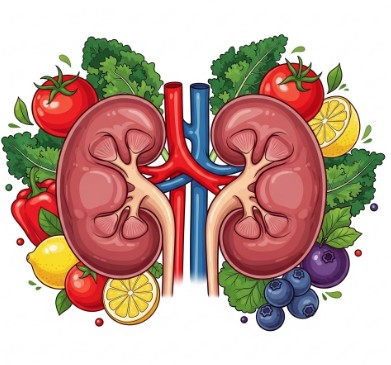
vibrant illustration of healthy kidneys surrounded by fruits and vegetables, symbolizing the importance of diet for kidney health

Our kidneys are amazing little organs! They work hard every day to clean our blood, get rid of waste, and keep our bodies in balance. Taking care of them is super important for our overall health. The good news is that many simple, natural habits can help keep your kidneys in top shape.

Let’s explore 20 easy ways to give your kidneys the love they deserve!

Hydration is Key

1. Drink Enough Water: Water helps your kidneys flush out waste from your body. Aim for about 8 glasses of water a day, or more if it’s hot or you’re very active.

2. Don’t Ignore Thirst: Listen to your body. If you feel thirsty, grab a glass of water.

Eat Kidney-Friendly Foods

3. Eat Lots of Fruits and Veggies: They are packed with vitamins and minerals that are good for your kidneys.

4. Choose Whole Grains: Foods like brown rice, oats, and whole wheat bread are better than processed grains.

5. Go Easy on Salt: Too much salt can raise your blood pressure, which is not good for your kidneys. Try using herbs and spices for flavor instead.

6. Limit Added Sugars: Sugary drinks and snacks can lead to weight gain and diabetes, which can harm your kidneys.

7. Watch Your Protein: While protein is important, too much animal protein can be hard on your kidneys. Balance it with plant-based proteins like beans and lentils.

8. Include Healthy Fats: Foods like avocados, nuts, and olive oil are good for your overall health, including your kidneys.

Lifestyle Habits for Happy Kidneys

9. Keep a Healthy Weight: Being overweight can increase your risk of conditions like diabetes and high blood pressure, which can damage kidneys.

10. Exercise Regularly: Aim for at least 30 minutes of moderate exercise most days of the week. Walking, swimming, or cycling are great options.

11. Get Enough Sleep: Good sleep (around 7-8 hours) helps your body repair and function well, including your kidneys.

12. Manage Blood Pressure: High blood pressure is a leading cause of kidney damage. Get it checked regularly and follow your doctor’s advice if it’s high.

13. Control Blood Sugar: If you have diabetes, keeping your blood sugar levels in check is crucial for protecting your kidneys.

14. Quit Smoking: Smoking damages blood vessels, which can reduce blood flow to your kidneys and harm them.

15. Limit Alcohol: Drinking too much alcohol can raise your blood pressure and be hard on your kidneys.

16. Reduce Stress: Chronic stress can affect your overall health. Try stress-reducing activities like yoga, meditation, or spending time in nature.

Be Cautious with Medications

17. Be Careful with Painkillers: Overusing over-the-counter pain relievers like ibuprofen and naproxen can harm your kidneys. Use them only as directed and for short periods.

18. Follow Prescription Medication Instructions: If you have medications for other conditions, take them exactly as your doctor prescribed.

Know Your Risks & Get Checked

19. Know Your Family History: If kidney disease runs in your family, you might be at higher risk. Let your doctor know.

20. Get Regular Check-ups: If you have risk factors like diabetes, high blood pressure, or a family history of kidney disease, get your kidney function checked regularly by your doctor.


Making small, consistent changes to your daily habits can make a big difference in keeping your kidneys healthy for years to come. Start with a few of these tips today and show your kidneys some love!

Regulate Your Blood Sugar Naturally: A Holistic Approach

foodz that can help regulate blood sugar

Maintaining healthy blood sugar levels is crucial for overall well-being. While medication is necessary for some, many can effectively manage their blood sugar through simple yet impactful lifestyle adjustments. This article explores natural strategies to help you achieve and maintain optimal blood sugar control.

Dietary Strategies: Fueling Your Body Wisely

Your diet plays a pivotal role in blood sugar regulation. Making conscious food choices can significantly impact your levels.

  • Focus on Fiber: Fiber is your friend when it comes to blood sugar. Load up on non-starchy vegetables like leafy greens, broccoli, and bell peppers. Choose whole fruits over juices, as the fiber in whole fruit helps slow sugar absorption. Incorporate whole grains such as brown rice, quinoa, and oats into your meals.
  • Control Carb Portions: Be mindful of your carbohydrate intake at each meal. Spreading your carbohydrate consumption evenly throughout the day helps prevent spikes. Opt for complex carbohydrates found in legumes (beans, lentils) and sweet potatoes, which are digested more slowly than simple carbs.
  • Add Healthy Fats: Healthy fats can help you feel full and stabilize blood sugar. Include sources like avocados, nuts, and seeds in your diet. For cooking, use olive oil or avocado oil.
  • Stay Hydrated: Drinking plenty of water throughout the day is essential. Crucially, steer clear of sugary drinks like sodas and most fruit juices, which can cause rapid blood sugar surges.

Exercise and Physical Activity: Move Your Way to Better Control

Regular physical activity is a powerful tool for improving your body’s sensitivity to insulin, the hormone that helps regulate blood sugar.

  • Aim for Daily Activity: Strive for at least 30 minutes of moderate exercise most days of the week. Choose activities you genuinely enjoy, whether it’s walking, cycling, swimming, or dancing. Consistency is key.
  • Include Strength Training: Incorporate strength training exercises into your routine at least twice a week. Building muscle mass can significantly improve insulin sensitivity, making your body more efficient at using glucose.
  • Monitor Your Blood Sugar: If you have concerns, check your blood sugar levels before and after exercise to understand how your body responds to different activities.

Stress Management: Calming Your Body and Your Levels

Stress can have a direct impact on your blood sugar, often leading to elevated levels. Learning to manage stress is vital for blood sugar control.

  • Practice Relaxation: Explore relaxation techniques such as meditation, deep breathing exercises, or yoga. Ensuring you get enough quality sleep is also a fundamental stress reliever.
  • Healthy Coping Mechanisms: Find constructive ways to manage stress. Spending time in nature can be incredibly calming, as can engaging in hobbies you find relaxing and enjoyable.

Regular Blood Sugar Monitoring: Knowledge is Power

Tracking your blood sugar levels provides invaluable insights into how your lifestyle choices affect your body.

  • Use a Glucose Meter: Regularly testing your blood sugar with a glucose meter allows you to see the immediate impact of your diet and activity. Keep a detailed record of your readings to identify patterns and areas for improvement.
  • Consult Healthcare Professionals: Always discuss your blood sugar management with your doctor or a registered dietitian. They can offer personalized advice, help you set realistic goals, and ensure your natural strategies are safe and effective.

Maintain a Healthy Weight: A Foundation for Control

Achieving and maintaining a healthy weight is fundamental for improving insulin function and overall blood sugar regulation.

  • Balanced Eating and Exercise: The most effective approach to weight management involves a combination of a healthy diet and regular physical activity. Set realistic goals for weight loss or maintenance that are sustainable in the long term.
  • Seek Nutritional Guidance: Don’t hesitate to seek help from a nutritionist. They can assist you in creating a personalized, healthy eating plan that supports both weight management and blood sugar control.

By integrating these natural strategies into your daily life, you can take significant steps toward regulating your blood sugar and fostering a healthier future. Which of these strategies will you focus on first?