Summary of Key Points
- Omega-3 fatty acids are essential for heart and brain health.
- Plant-based diets rely on ALA, which the body converts into EPA and DHA.
- Flaxseeds, chia seeds, and walnuts provide excellent daily ALA options.
- Algae supplements offer a direct source of EPA and DHA for vegans.
Introduction to Plant-Based Omega-3
Finding the right nutrients on a plant-based diet can feel challenging at times. Fortunately, you can easily discover the Top food sources of omega 3 for vegetarians and vegans right in the grocery aisle. Omega-3 fatty acids play a crucial role in supporting heart health, reducing inflammation, and boosting brain function. While many people associate these healthy fats exclusively with fish, nature provides plenty of robust plant-based alternatives. Understanding how your body processes these nutrients will help you build a balanced, vibrant meal plan.
Understanding Plant-Based Omega-3 Fats
Before adding foods to your cart, you must understand the three main types of omega-3 fatty acids: ALA, EPA, and DHA. Your body cannot produce these essential fats on its own, so you must get them through your diet. ALA (alpha-linolenic acid) primarily occurs in plant foods. Meanwhile, EPA and DHA are mostly found in fish and algae.
When you eat plant-based foods rich in ALA, your body converts a small percentage of it into EPA and DHA. Because this conversion rate is quite low, you should actively consume larger amounts of ALA-rich foods. Furthermore, adding specific fortified items or supplements can bridge any nutritional gaps efficiently.
Top Food Sources of Omega 3 for Vegetarians and Vegans
Incorporating healthy fats into your daily routine is simpler than you might think. Several everyday seeds, nuts, and oils deliver a powerful punch of essential fatty acids.
Chia Seeds and Flaxseeds
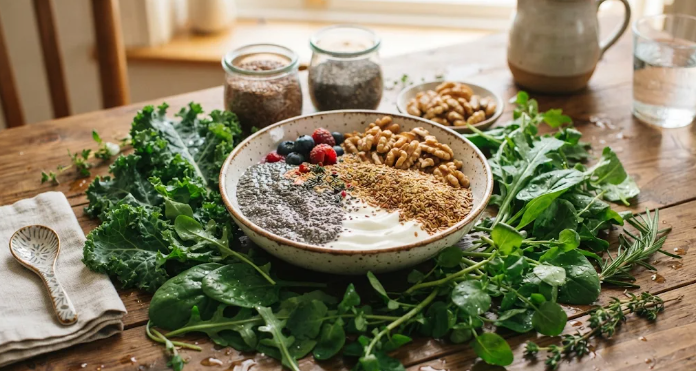
Chia seeds and flaxseeds stand out as absolute powerhouses in the plant kingdom. Just one tablespoon of flaxseeds provides more than your daily recommended intake of ALA. You can easily grind flaxseeds and sprinkle them over oatmeal, yogurt, or salads. Similarly, chia seeds absorb liquid to form a gelatinous texture, making them perfect for morning puddings or smoothies.
Walnuts
Walnuts are unique among tree nuts because they boast a high concentration of ALA. Snacking on a small handful of walnuts each day supports cognitive health and provides a satisfying crunch. You can also chop them up and toss them into stir-fries or baked goods for an effortless nutritional upgrade.
Hemp Seeds
Hemp seeds offer a nutty flavor and a fantastic balance of omega-3 and omega-6 fatty acids. You can blend hemp seeds into dressings, sprinkle them over soups, or eat them straight from the bag. They also contain complete plant protein, which makes them a dual-threat ingredient for health-conscious eaters.
Direct Sources: Algae Oil and Supplements
Because the human body converts ALA into EPA and DHA rather slowly, many health experts recommend consuming direct sources. Algae oil serves as the original source of these marine fatty acids. Small fish eat algae to build up their omega-3 content, meaning vegans can simply cut out the middleman and consume algae-derived supplements directly.
Taking a daily algae-based supplement ensures your brain and eyes receive adequate amounts of active EPA and DHA. This simple addition removes the guesswork from plant-based nutrition. You can easily find these capsules at most health food stores or online retailers.
Tips for Maximizing Absorption
Eating nutrient-dense foods is only half the battle. You also want to ensure your body absorbs them effectively. To improve your nutrient uptake, try to limit excessive omega-6 fatty acids found in processed vegetable oils, as they can compete with omega-3s for absorption.
Additionally, remember to grind your flaxseeds before eating them. Whole flaxseeds pass right through your digestive tract undigested, meaning you miss out on their incredible benefits. Store your ground seeds and fragile oils in the refrigerator to prevent them from spoiling. By following these practical steps, you can thrive on a plant-based lifestyle. For further reading on plant-based nutrition and wellness, visit Nutrition.gov.
References
U.S. Department of Agriculture. Dietary Guidelines for Americans. National Institutes of Health. Office of Dietary Supplements – Omega-3 Fatty Acids.