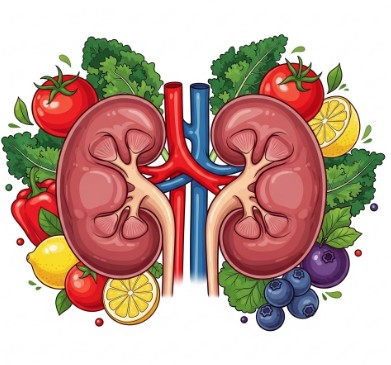
Silent Danger: How High Blood Pressure Can Hurt Your Kidneys

Human Kidneys

Imagine your kidneys as tireless cleaners, constantly filtering waste products from your blood. High blood pressure, also called hypertension, throws a wrench into these hardworking organs, putting their health at risk. Let’s delve into how this silent danger can damage your kidneys.

Think of Tiny Tubes:

Picture your kidneys as filled with millions of tiny tubes called nephrons. These nephrons act like filters, removing waste and extra fluid from your blood. Healthy blood pressure ensures these tubes get the right amount of blood to function properly.

High Pressure, Big Problem:

When blood pressure is high, it’s like turning up the water pressure in your house. This excessive pressure can damage the delicate nephrons in your kidneys. Over time, these tiny tubes get strained and can’t filter as well.

Domino Effect of Damage:

Damaged nephrons mean waste products start building up in your blood instead of being flushed out. This can further increase blood pressure, creating a dangerous cycle. Additionally, the kidneys help regulate blood pressure by producing hormones. Damaged kidneys may not be able to do this effectively, worsening the situation.

The Final Blow: Kidney Failure:

If high blood pressure remains uncontrolled for a long time, it can lead to kidney failure. This means your kidneys can no longer function properly, and waste products build up to dangerous levels in your blood.

Protect Your Kidneys:

The good news is that you can protect your kidneys from high blood pressure damage! Here are some ways:

  • Manage your blood pressure: Talk to your doctor about healthy ways to lower your blood pressure, such as medication, diet, and exercise.
  • Stay hydrated: Drinking plenty of water helps your kidneys flush out waste products effectively.
  • Eat a healthy diet: Limit salt and processed foods, and choose a diet rich in fruits, vegetables, and whole grains.
  • Maintain a healthy weight: Being overweight or obese can put extra strain on your kidneys.
  • Don’t smoke: Smoking narrows blood vessels throughout your body, including those in your kidneys.

Early Detection is Key:

Regular checkups with your doctor are crucial. They can monitor your blood pressure and kidney function to identify problems early.

By understanding how high blood pressure can damage your kidneys and taking steps to keep it under control, you can safeguard these vital organs and maintain good health. Remember, early detection and management are key to protecting your kidneys for a long and healthy life!

Does foamy urine necessarily indicate kidney problem ?

Foamy urine can sometimes be a sign of a kidney problem, but it’s not always the case. There are a few other reasons why you might see foam in your urine.

  • Dehydration: When you’re dehydrated, your urine becomes more concentrated, which can cause it to appear foamy.
  • Forceful urination: If you urinate very forcefully, it can agitate the urine and create foam.
  • Certain medications: Some medications, such as phenazopyridine (Pyridium), can cause foamy urine.

However, if you notice that your urine is foamy on a regular basis, it could be a sign of a kidney problem. This is because healthy kidneys filter out protein from your blood. If your kidneys are damaged, they may allow protein to leak into your urine, which can cause it to look foamy.

Here are some other symptoms of kidney disease that you should be aware of:

  • High blood pressure
  • Blood in your urine
  • Frequent urination, especially at night
  • Swelling in your ankles, feet, or hands
  • Loss of appetite
  • Nausea and vomiting
  • Feeling tired or weak
  • Difficulty concentrating
  • Trouble sleeping

If you are experiencing any of these symptoms, it is important to see a doctor to get a diagnosis. Early detection and treatment of kidney disease can help prevent serious complications.

If you’re concerned about foamy urine, the best thing to do is to see a doctor to rule out any underlying medical conditions.

Does Frequent Urination Necessarily indicate Kidney Problem?

Frequent urination at night, also called nocturia, is a common symptom that doesn’t necessarily point to a kidney problem. There are several reasons why you might experience this, including:

  • Increased fluid intake before bed: Drinking too much fluid close to bedtime can cause your body to produce more urine at night.
  • Certain medications: Some medications, like diuretics, can increase urine production.
  • Medical conditions: Diabetes, urinary tract infections (UTIs), and enlarged prostate (in men) can all contribute to nocturia.
  • Sleep disorders: Sleep apnea or restless leg syndrome can disrupt sleep and make it seem like you’re urinating more often at night.

Kidney disease can be a cause of nocturia, but it’s not the only one.

Here are some things to consider:

  • Frequency: Waking up once to use the restroom at night is generally considered normal. If you find yourself needing to go two or more times, it could be a sign of an underlying issue.
  • Other symptoms: If you’re experiencing other symptoms like blood in your urine, pain while urinating, or feeling constantly thirsty, it’s more likely to be related to a medical condition.

If you’re concerned about frequent urination at night, especially if it’s accompanied by other symptoms, it’s important to see a doctor to get a diagnosis and discuss treatment options. They can help determine the cause and recommend the best course of action.

Types of Hypertensive Drugs readily available

1. Diuretics:

  • Function: Increase kidney output of urine, flushing excess fluid from the body and lowering blood pressure.
  • Common examples: Hydrochlorothiazide (HCTZ), chlorthalidone (Thalitone)
  • Side effects: This class is most likely to cause frequent urination, including at night (nocturia). Electrolyte imbalance can also occur.

2. Angiotensin-Converting Enzyme (ACE) Inhibitors:

  • Function: Relax blood vessels by blocking an enzyme (ACE) that causes them to constrict, lowering blood pressure.
  • Common examples: Lisinopril (Zestril), enalapril (Vasotec)
  • Side effects: May cause a dry cough and dizziness. Not recommended for pregnant women.

3. Angiotensin II Receptor Blockers (ARBs):

  • Function: Similar to ACE inhibitors, but work by blocking the action of a hormone (angiotensin II) that constricts blood vessels, lowering blood pressure.
  • Common examples: Losartan (Cozaar), valsartan (Diovan)
  • Side effects: Generally well-tolerated, but dizziness and headache can occur. Not recommended for pregnant women.

4. Calcium Channel Blockers (CCBs):

  • Function: Relax muscles in blood vessel walls, allowing them to dilate and lower blood pressure.
  • Common examples: Amlodipine (Norvasc), nifedipine (Procardia)
  • Side effects: May cause constipation, headache, and ankle swelling.

5. Beta-Blockers:

  • Function: Slow heart rate and reduce the force of heart contractions, lowering blood pressure.
  • Common examples: Metoprolol (Lopressor), atenolol (Tenormin)
  • Side effects: Fatigue, dizziness, and cold hands/feet are possible. Not recommended for people with asthma or certain heart conditions.

6. Other medications:

  • Alpha-blockers, alpha-2 receptor agonists, and vasodilators are less commonly used as first-line medications but may be prescribed in specific situations.

Important points to remember:

  • This is just a general overview, and there are many specific medications within each class.
  • The best medication for you will depend on your individual health condition, age, and other factors.
  • It’s crucial to consult with a doctor to determine the most appropriate medication and dosage for your specific needs.
  • Do not stop taking your medication or change your dosage without consulting your doctor.

I hope this explanation helps!

Concise information on Covid -19 Infection , Symptoms and Treatment

COVID-19 is a global pandemic caused by the severe acute respiratory syndrome coronavirus 2 (SARS-CoV-2). The virus was first identified in Wuhan, China, in December 2019 and has since spread to become a worldwide health emergency. As of March 2023, the World Health Organization (WHO) reports over 436 million confirmed cases and over 5.8 million deaths worldwide. COVID-19 has significantly impacted human health, economies, and social activities globally.

Transmission:

The virus spreads mainly through respiratory droplets produced when an infected person talks, coughs, or sneezes. These droplets can enter the body through the mouth, nose, or eyes of a person nearby or by touching contaminated surfaces and then touching the face. The virus can also spread through the air and can survive on surfaces for several days, making it highly contagious. The WHO recommends measures such as wearing masks, maintaining physical distance, washing hands frequently, and avoiding large gatherings to prevent the spread of the virus.

Symptoms:

COVID-19 symptoms vary from mild to severe and may appear between 2 and 14 days after exposure to the virus. Common symptoms include fever, cough, fatigue, and difficulty breathing. Other symptoms may include loss of taste or smell, muscle aches, sore throat, and headache. In severe cases, COVID-19 can lead to pneumonia, acute respiratory distress syndrome, and death.

Treatment:

There is currently no specific treatment for COVID-19. However, various treatments are being tested in clinical trials, including antiviral drugs, immunomodulators, and convalescent plasma. Vaccines are the primary method of controlling the spread of COVID-19, and many have been authorized for emergency use globally. Vaccines significantly reduce the risk of severe illness, hospitalization, and death.

Impact:

COVID-19 has had significant economic and social impacts globally. The pandemic has disrupted supply chains, affected global trade, and caused job losses. The travel and tourism industry has been severely affected, leading to a decline in revenue for many countries. The pandemic has also exacerbated inequalities, with vulnerable groups such as low-income earners, women, and minorities being disproportionately affected.

Conclusion:

COVID-19 is a global health emergency that has significantly impacted human health, economies, and social activities worldwide. The WHO recommends measures such as wearing masks, maintaining physical distance, washing hands frequently, and avoiding large gatherings to prevent the spread of the virus. Vaccines are the primary method of controlling the spread of COVID-19, and many have been authorized for emergency use globally. While the pandemic has caused significant disruptions, it has also highlighted the importance of preparedness, cooperation, and solidarity in tackling global health challenges.

References:

How to be a Good Driver

man driving

Driving refers to the act of operating a vehicle to transport oneself or others from one place to another. It involves controlling the vehicle’s speed, direction, and other functions while following traffic laws and rules of the road.

There are various reasons why people may choose to drive, such as for commuting to work or school, running errands, traveling, or leisure activities. Some may find driving enjoyable, while others may see it as a necessity for their daily lives.

Driving can be a complex task that requires a combination of physical and cognitive skills, including hand-eye coordination, reaction time, spatial awareness, decision-making, and attention. It is important for drivers to be alert, focused, and responsible to ensure their safety and the safety of others on the road.

How to be a good driver

Being a good driver involves several skills and behaviors that ensure your safety and the safety of others on the road. Here are some tips on how to become a good driver:

  1. Follow traffic rules and regulations: Always obey traffic laws, signals, and signs. This includes stopping at stop signs, using turn signals, and driving within the speed limit.
  2. Be aware of your surroundings: Keep your eyes on the road and be aware of what’s happening around you. Watch out for pedestrians, other vehicles, and road hazards.
  3. Stay focused: Avoid distractions such as texting, eating, or using your phone while driving. Keep both hands on the wheel and your mind focused on driving.
  4. Keep a safe distance: Maintain a safe distance from the vehicle in front of you. The recommended following distance is three seconds.
  5. Use your mirrors: Check your mirrors frequently to be aware of what’s happening behind you.
  6. Use your signals: Use your turn signals to communicate your intentions to other drivers.
  7. Be patient: Practice patience and avoid aggressive driving behaviors such as tailgating, cutting off other drivers, or speeding.
  8. Maintain your vehicle: Regularly maintain your vehicle to ensure that it is in good working condition.
  9. Practice defensive driving: Be prepared for the unexpected and anticipate potential hazards on the road.

Tips on good and comfortable driving.

In addition to being a safe driver, here are some tips on how to be a good and comfortable driver:

  1. Adjust your seat and steering wheel: Make sure your seat is adjusted to a comfortable position and your steering wheel is in a comfortable position. Adjust the mirrors to give you the best view of the road.
  2. Wear comfortable clothing: Wear comfortable clothing that allows you to move easily and does not restrict your movement.
  3. Take breaks: Take breaks during long drives to stretch your legs and avoid fatigue.
  4. Keep the interior clean: Keep the interior of your vehicle clean and clutter-free to help create a comfortable and relaxing environment.
  5. Use cruise control: Use cruise control on long, straight stretches of road to maintain a steady speed and reduce driver fatigue.
  6. Use air conditioning: Use air conditioning or open windows to maintain a comfortable temperature inside the vehicle.
  7. Listen to relaxing music: Listen to relaxing music or audiobooks to help reduce stress and make the driving experience more enjoyable.
  8. Avoid rush hour traffic: If possible, avoid driving during peak traffic hours to reduce stress and make the driving experience more comfortable.

By following these tips, you can make your driving experience more comfortable and enjoyable. Remember to always prioritize safety while driving, and do not let any distractions interfere with your focus on the road.

What to do if you are involved in a car accident

If you are involved in a car accident, it’s important to stay calm and take the following steps:

  1. Check for injuries: Check yourself and others for injuries. If anyone is seriously injured, call for medical assistance immediately.
  2. Move to a safe location: If possible, move your vehicle to a safe location away from traffic. Turn on your hazard lights and use warning triangles or flares to alert other drivers.
  3. Call the police: Call the police and report the accident. Provide your location and a description of what happened.
  4. Exchange information: Exchange contact and insurance information with the other driver(s) involved in the accident. Take photos of the damage to both vehicles and any injuries.
  5. File an accident report: Report the accident to your insurance company and file a police report. Provide all the necessary information, including the names and contact information of any witnesses.
  6. Seek medical attention: If you are injured, seek medical attention as soon as possible. Even if you don’t feel any pain or discomfort immediately after the accident, it’s still a good idea to get checked out by a doctor to ensure that there are no hidden injuries.
  7. Cooperate with authorities: Cooperate with the police and your insurance company throughout the investigation and claims process.

Remember, it’s important to never admit fault or apologize for the accident, as this can be seen as an admission of guilt. Let the authorities and insurance companies determine who is at fault based on the facts and evidence.