Understanding Type 1 and Type 2 Diabetes: A Simple Guide

Diabetes is a chronic condition affecting millions worldwide. It occurs when your body can’t properly use the sugar (glucose) in your blood for energy. There are two main types: type 1 and type 2 diabetes.

Type 1 Diabetes:

  • Cause: An autoimmune reaction where the body attacks and destroys insulin-producing cells in the pancreas.
  • Onset: Usually diagnosed in children and young adults, but can occur at any age.
  • Symptoms: Frequent urination, excessive thirst, unintended weight loss, fatigue, blurred vision, slow healing of wounds.
  • Treatment: Insulin injections or pumps, regular blood sugar monitoring, healthy diet, exercise.

Type 2 Diabetes:

  • Cause: The body becomes resistant to insulin or doesn’t produce enough of it.
  • Onset: Develops over time, often linked to obesity, inactivity, and family history.
  • Symptoms: Similar to type 1 diabetes, but may also include numbness or tingling in the hands or feet, skin problems, and yeast infections.
  • Treatment: Healthy diet, exercise, weight loss, oral medications or insulin injections if needed.

Key Differences:

FeatureType 1 DiabetesType 2 Diabetes
CauseAutoimmune reactionInsulin resistance/deficiency
OnsetChildhood/young adulthoodAdulthood, but increasing in children
Body TypeOften thinOften overweight/obese
TreatmentAlways requires insulinMay require insulin, but often managed with lifestyle changes and medications
PreventionNo known preventionHealthy lifestyle can reduce risk

Managing Diabetes:

Regardless of the type, managing diabetes involves a combination of healthy lifestyle habits and medical interventions. Early diagnosis and proper management are crucial to prevent complications like heart disease, nerve damage, kidney problems, and vision loss.

If you have concerns about diabetes, talk to your doctor. They can help you understand your risk factors, diagnose the condition, and develop a personalized treatment plan. Remember, living a healthy lifestyle can make a significant difference in managing diabetes and reducing the risk of complications.

Nifedipine: A Guide to Lowering Blood Pressure and Managing Chest Pain.

What is Nifedipine?

Nifedipine is a prescription medication classified as a calcium channel blocker. It works by relaxing and widening your blood vessels, making it easier for blood to flow and reducing the workload on your heart.

What is Nifedipine Used For?

Nifedipine is primarily prescribed to:

  • Treat High Blood Pressure (Hypertension): Lowering blood pressure helps prevent complications like strokes, heart attacks, and kidney problems.
  • Control Angina (Chest Pain): It can reduce the frequency and severity of chest pain caused by reduced blood flow to the heart.
  • Manage Raynaud’s Phenomenon: In some cases, it can help improve circulation and reduce symptoms of Raynaud’s (a condition where blood vessels in the fingers and toes constrict).

How Does Nifedipine Help with Hypertension?

Nifedipine lowers blood pressure through two main mechanisms:

  1. Blood Vessel Relaxation: It directly relaxes the muscles in your blood vessels, causing them to widen. This reduces resistance to blood flow, leading to a drop in blood pressure.
  2. Reduced Heart Workload: By relaxing blood vessels, nifedipine lessens the effort your heart needs to pump blood, thus further lowering pressure.

What Are the Side Effects of Nifedipine?

While nifedipine is generally safe, it can cause side effects. Common ones include:

  • Dizziness or lightheadedness
  • Headache
  • Flushing
  • Constipation
  • Swelling in your feet or ankles

Less common but more serious side effects can occur. Contact your doctor immediately if you experience:

  • Fast, irregular, or pounding heartbeat
  • Fainting
  • Worsening chest pain
  • Allergic reactions (rash, itching, swelling)

Important Note: Always consult your doctor or pharmacist for personalized information about nifedipine. This article is not a substitute for professional medical advice.

Understanding Bisoprolol Fumarate: A Guide to High Blood Pressure Treatment

What is Bisoprolol Fumarate?

Bisoprolol fumarate is a prescription medication that belongs to a class of drugs called beta blockers. These drugs work by affecting the way your heart and blood vessels respond to certain hormones.

What is Bisoprolol Fumarate Used For?

Bisoprolol fumarate is primarily used to treat:

  • High Blood Pressure (Hypertension): By lowering blood pressure, it helps reduce the risk of serious complications like strokes, heart attacks, and kidney problems.
  • Heart Failure: It can improve symptoms and quality of life for individuals with heart failure.
  • Angina (Chest Pain): Bisoprolol fumarate can prevent chest pain caused by reduced blood flow to the heart.

How Does Bisoprolol Fumarate Help with High Blood Pressure?

Bisoprolol fumarate works in several ways to lower blood pressure:

  1. Slowing Heart Rate: It reduces how fast your heart beats, which lowers the force with which blood is pumped.
  2. Relaxing Blood Vessels: It helps your blood vessels widen, allowing blood to flow more easily.
  3. Reducing Heart’s Workload: It lessens the amount of work your heart needs to do, easing strain on the heart muscle.

What Are the Side Effects of Bisoprolol Fumarate?

Like any medication, bisoprolol fumarate can cause side effects. Common ones include:

  • Tiredness or fatigue
  • Cold hands and feet
  • Dizziness or lightheadedness
  • Upset stomach
  • Slow heart rate

More serious side effects are less common but can occur. It’s important to contact your doctor right away if you experience:

  • Difficulty breathing or shortness of breath
  • Swelling in your ankles or feet
  • Unusual weight gain
  • Depression or mood changes

Important Note: This article provides general information about bisoprolol fumarate and should not replace advice from your healthcare provider. Always consult your doctor or pharmacist for personalized information and guidance on your treatment.

Why a residue forms in a container of stored human urine:

Urine Sample

Have you ever stored urine in a container and noticed a strange residue forming after a few days? This common occurrence might make you wonder what’s happening and whether it’s something to worry about. Let’s explore the reasons behind this residue and what it says about your urine.

Evaporation and Crystallization

  • Water Evaporation: Urine is primarily water. When stored, this water evaporates over time, leaving behind solutes and other compounds.
  • Urea Breakdown: Urea, a significant component of urine, breaks down into ammonia and carbon dioxide. Ammonia can further react with other elements in the urine to form various salts.
  • Salt Precipitation: As the concentration of these salts increases due to evaporation, they reach a level where they can no longer stay dissolved. This leads to the precipitation of the salts, forming the visible residue.

Composition of the Residue

The residue is mainly composed of:

  • Uric acid: A waste product from the breakdown of nitrogen-containing substances in the body.
  • Calcium salts: Such as calcium oxalate and calcium phosphate.
  • Other minerals: Sodium, potassium, and trace elements found in urine.

Factors influencing residue formation

  • Concentration of urine: Highly concentrated urine will form residue faster.
  • Storage time: The longer the urine is stored, the more evaporation occurs, leading to more residue.
  • Container material: Some materials may promote crystal formation or make residues more visible.
  • Temperature: Warmer temperatures accelerate evaporation and urea breakdown.

Is this a concern?

While the residue might be visually unappealing, it’s usually not a major health concern. The residue itself is generally harmless, but storing urine for extended periods can promote bacterial growth, which can lead to unpleasant odor and potential risks.

Silent Danger: How High Blood Pressure Can Hurt Your Kidneys

Human Kidneys

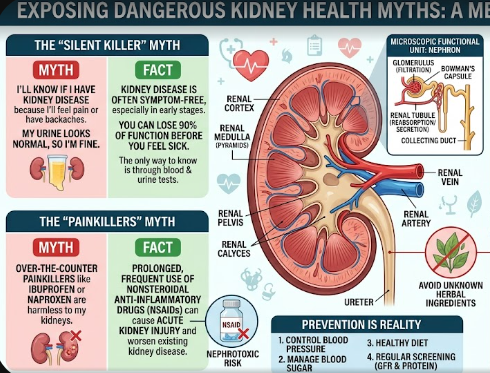
Imagine your kidneys as tireless cleaners, constantly filtering waste products from your blood. High blood pressure, also called hypertension, throws a wrench into these hardworking organs, putting their health at risk. Let’s delve into how this silent danger can damage your kidneys.

Think of Tiny Tubes:

Picture your kidneys as filled with millions of tiny tubes called nephrons. These nephrons act like filters, removing waste and extra fluid from your blood. Healthy blood pressure ensures these tubes get the right amount of blood to function properly.

High Pressure, Big Problem:

When blood pressure is high, it’s like turning up the water pressure in your house. This excessive pressure can damage the delicate nephrons in your kidneys. Over time, these tiny tubes get strained and can’t filter as well.

Domino Effect of Damage:

Damaged nephrons mean waste products start building up in your blood instead of being flushed out. This can further increase blood pressure, creating a dangerous cycle. Additionally, the kidneys help regulate blood pressure by producing hormones. Damaged kidneys may not be able to do this effectively, worsening the situation.

The Final Blow: Kidney Failure:

If high blood pressure remains uncontrolled for a long time, it can lead to kidney failure. This means your kidneys can no longer function properly, and waste products build up to dangerous levels in your blood.

Protect Your Kidneys:

The good news is that you can protect your kidneys from high blood pressure damage! Here are some ways:

  • Manage your blood pressure: Talk to your doctor about healthy ways to lower your blood pressure, such as medication, diet, and exercise.
  • Stay hydrated: Drinking plenty of water helps your kidneys flush out waste products effectively.
  • Eat a healthy diet: Limit salt and processed foods, and choose a diet rich in fruits, vegetables, and whole grains.
  • Maintain a healthy weight: Being overweight or obese can put extra strain on your kidneys.
  • Don’t smoke: Smoking narrows blood vessels throughout your body, including those in your kidneys.

Early Detection is Key:

Regular checkups with your doctor are crucial. They can monitor your blood pressure and kidney function to identify problems early.

By understanding how high blood pressure can damage your kidneys and taking steps to keep it under control, you can safeguard these vital organs and maintain good health. Remember, early detection and management are key to protecting your kidneys for a long and healthy life!

Strokes vs Heart attacks

Stroke illustration

heart attack illustration

Strokes and heart attacks are both serious medical emergencies, but they affect different parts of the body. A stroke occurs when blood flow to the brain is blocked, while a heart attack happens when blood flow to the heart is obstructed. This interruption of blood supply starves vital tissues of oxygen, leading to rapid cell death. Recognizing their distinct symptoms and getting immediate medical help is crucial for both conditions to improve the chances of survival and minimize damage.

What is a Stroke?

  • A stroke is often called a “brain attack.”
  • It occurs when blood flow to a part of the brain is interrupted, cutting off oxygen and nutrients.
  • Brain cells start dying within minutes, which can lead to disability or death.

Types of Strokes

  • Ischemic stroke: The most common type, caused by a blood clot blocking an artery in the brain.
  • Hemorrhagic stroke: A blood vessel in the brain leaks or ruptures.

What is a Heart Attack?

  • A heart attack (myocardial infarction) happens when blood flow to a part of the heart muscle is blocked.
  • This is usually caused by a buildup of plaque in the arteries, which may rupture and form a clot, cutting off the heart’s oxygen supply.
  • Without oxygen, heart muscle cells begin to die.

How Strokes and Heart Attacks Differ

FeatureStrokeHeart Attack
LocationBrainHeart
CauseBlocked or ruptured blood vessels in the brainBlocked blood vessels supplying the heart
Main SymptomsSudden numbness/weakness (often on one side of the body), confusion, trouble speaking, vision problems, dizziness, severe headacheChest pain/pressure, shortness of breath, pain radiating to the jaw, neck, shoulder or arm, nausea, cold sweat

Important Notes:

  • Time is critical: With both strokes and heart attacks, getting immediate medical attention is crucial to minimize damage and increase chances of survival.
  • Know the signs: Learn to recognize the symptoms and call emergency services immediately if you suspect a stroke or heart attack.

Remember the acronym FAST for Stroke Symptoms:

  • Face drooping
  • Arm weakness
  • Speech difficulty
  • Time to call 9-1-1