Nifedipine: Understanding How This Medication Lowers Blood Pressure

 A stylized illustration of a blood vessel dilating, with calcium ions being blocked from entering muscle cells

High blood pressure, or hypertension, is a prevalent condition that significantly increases the risk of heart disease, stroke, and other serious health problems. Fortunately, various effective medications are available to manage hypertension, and nifedipine is one such widely prescribed drug. Understanding how nifedipine works to lower blood pressure can empower patients and healthcare providers alike. This article delves into the pharmacological action of nifedipine, explaining its role in promoting cardiovascular health.

Nifedipine belongs to a class of drugs known as calcium channel blockers, specifically dihydropyridine calcium channel blockers. Its primary mechanism of action revolves around its ability to selectively inhibit the influx of calcium ions into certain types of muscle cells, particularly the smooth muscle cells found in the walls of arteries.

To appreciate how nifedipine works, it’s essential to understand the role of calcium in muscle contraction. Calcium ions act as intracellular messengers that trigger the contraction of muscle fibers. In the context of blood vessels, when calcium enters the smooth muscle cells of arterial walls, it causes these muscles to contract. This contraction leads to a narrowing of the blood vessels, a process called vasoconstriction. Vasoconstriction increases the resistance against which the heart has to pump blood, thereby elevating blood pressure.

Nifedipine intervenes in this process by binding to specific calcium channels, known as L-type calcium channels, located on the surface of these arterial smooth muscle cells. By blocking these channels, nifedipine effectively reduces the amount of calcium that can enter the cells. With less calcium available inside the cells, the contractile activity of the arterial smooth muscles is diminished.

The direct consequence of this reduced muscle contraction is vasodilation – the widening or relaxation of the blood vessels. As the arteries dilate, the overall resistance to blood flow decreases. This makes it easier for the heart to pump blood throughout the body, leading to a reduction in both systolic and diastolic blood pressure.

Essentially, nifedipine doesn’t directly affect the heart’s pumping force in most cases (at typical therapeutic doses for hypertension). Instead, its main effect is on the peripheral vasculature – the network of arteries throughout the body. By relaxing these arteries, nifedipine creates a larger-caliber system for blood to flow through, thereby lowering the pressure within that system.

It’s also worth noting that while nifedipine’s primary action is on arterial smooth muscle, it has minimal effect on the calcium channels in heart muscle cells at standard doses, distinguishing it from some other types of calcium channel blockers that may have more direct effects on heart rate and contractility.

In summary, nifedipine lowers blood pressure through a clear and targeted mechanism:

  1. Binding to Calcium Channels: Nifedipine selectively binds to L-type calcium channels on the smooth muscle cells of arterial walls.
  2. Inhibiting Calcium Influx: This binding blocks the entry of calcium ions into these muscle cells.
  3. Reducing Muscle Contraction: With less intracellular calcium, the smooth muscle cells contract less forcefully.
  4. Promoting Vasodilation: The reduced contraction leads to the relaxation and widening of the arteries.
  5. Lowering Blood Pressure: Vasodilation decreases peripheral vascular resistance, making it easier for the heart to pump blood and thereby reducing overall blood pressure.

The effectiveness of nifedipine in managing hypertension lies in this well-defined action, helping to protect individuals from the long-term detrimental effects of elevated blood pressure. As with any medication, nifedipine should be taken under the guidance of a healthcare professional who can determine the appropriate dosage and monitor for any potential side effects.

High Blood Sugar: A Sign of Diabetes and Other Health Issues

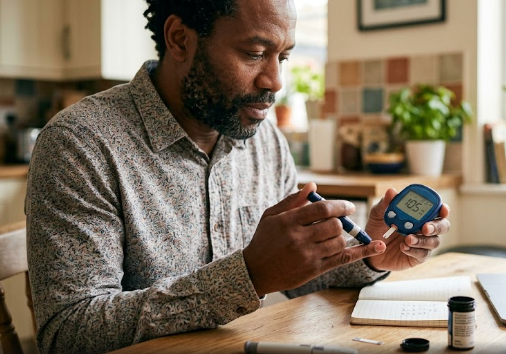
Patient taking a glucose test

What is high blood sugar?

High blood sugar, also known as hyperglycemia, is a condition where there’s too much glucose (sugar) in your blood. Glucose is the body’s primary source of energy, and it enters your bloodstream after eating. Insulin, a hormone produced by the pancreas, helps transport glucose from the blood into your cells for use.

What is diabetes?

Diabetes is a chronic condition that affects how your body regulates blood sugar. There are two main types:

  • Type 1 diabetes:1 Your immune system attacks the cells in your pancreas that produce insulin. People with type 1 diabetes must rely on insulin injections for survival.
  • Type 2 diabetes: This is the most common type. It occurs when your body either doesn’t produce enough insulin or can’t effectively use the insulin it produces.

Other reasons for high blood sugar

While diabetes is a significant cause, high blood sugar can also stem from various other factors:

1. Stress:

Stress is your body’s natural response to challenging situations. When you’re stressed, your body releases hormones like cortisol and adrenaline. These hormones can increase the production of glucose by your liver and make it harder for your body to use insulin effectively, leading to elevated blood sugar levels.

2. Certain medications:

Some medications can interfere with your body’s ability to regulate blood sugar. These include:

  • Corticosteroids: These medications, often used to treat inflammation, can increase blood sugar levels by stimulating the liver to produce more glucose.
  • Diuretics: These medications, commonly used to treat high blood pressure, can increase blood sugar levels by promoting fluid loss, which can concentrate glucose in the blood.
  • Some psychiatric medications: Certain medications used to treat mental health conditions can also affect blood sugar levels.

3. Prediabetes:

Prediabetes is a condition where your blood sugar levels are higher than normal but not yet high enough to be diagnosed as diabetes.2 People with prediabetes are at increased risk of developing type 2 diabetes.

4. Infections:

Infections can trigger your body’s stress response, leading to the release of hormones that raise blood sugar levels. Additionally, some infections can directly damage the pancreas, affecting insulin production. Common infections that can cause high blood sugar include:

  • Urinary tract infections (UTIs)
  • Pneumonia
  • Sepsis

5. Pancreas disease:

The pancreas plays a crucial role in regulating blood sugar by producing insulin and other hormones. Diseases affecting the pancreas can disrupt these functions, leading to high blood sugar levels. These diseases include:

  • Pancreatitis: Inflammation of the pancreas can damage the cells that produce insulin.
  • Pancreatic cancer: This type of cancer can destroy the cells that produce insulin, leading to diabetes.

Symptoms of high blood sugar

Symptoms of high blood sugar can vary from person to person. Some individuals may not experience any symptoms, while others may have:

  • Increased thirst
  • Frequent urination
  • Fatigue
  • Blurred vision
  • Headaches
  • Slow-healing sores

Treatment of high blood sugar

The treatment for high blood sugar depends on the underlying cause. If you have diabetes, your healthcare provider will work with you to develop a treatment plan that may include:

  • Diet: Eating a healthy diet low in sugar and processed carbohydrates
  • Exercise: Regular physical activity can help improve insulin sensitivity
  • Medication: Oral medications or insulin injections may be necessary to manage blood sugar levels

If your high blood sugar is caused by another condition, treating the underlying condition may help lower your blood sugar levels.

Prevention of high blood sugar

You can take steps to prevent high blood sugar by:

  • Maintaining a healthy weight
  • Eating a balanced diet
  • Engaging in regular physical activity
  • Managing stress through techniques like yoga or meditation
  • Getting regular checkups with your healthcare provider, especially if you have risk factors for diabetes

If you have concerns about high blood sugar or diabetes, consult with your healthcare provider for proper diagnosis and treatment.

Understanding High Blood Sugar: A Simple Guide

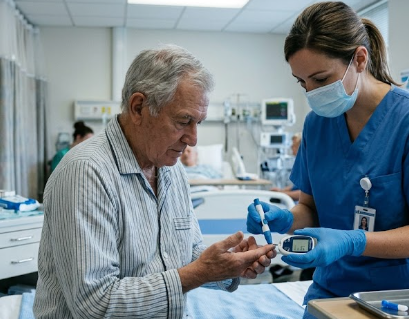
Nurse testing two patients in turn for blood sugar

High blood sugar, also known as hyperglycemia, is a condition where there is too much sugar (glucose) in the blood. Glucose is the main source of energy for the body’s cells, but when it’s not used properly, it can lead to serious health problems.

Symptoms of High Blood Sugar

In some cases, high blood sugar may not cause any symptoms, especially in the early stages. However, when symptoms do occur, they can include:

  • Increased thirst
  • Frequent urination
  • Blurred vision
  • Fatigue
  • Headaches
  • Slow-healing sores

Causes of High Blood Sugar

The most common cause of high blood sugar is diabetes. There are two main types of diabetes:

  • Type 1 diabetes: The body does not produce enough insulin, a hormone that helps regulate blood sugar.
  • Type 2 diabetes: The body becomes resistant to insulin, or it doesn’t produce enough insulin.

Other causes of high blood sugar can include:

  • Certain medications, such as corticosteroids and diuretics
  • Infections
  • Stress
  • Injury
  • Pregnancy

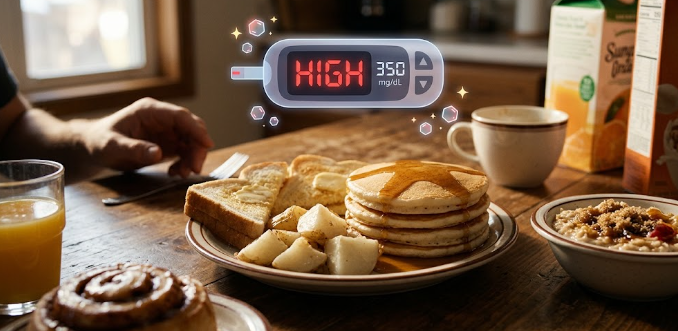
Eating and Drinking Habits That Can Cause High Blood Sugar

Eating and drinking habits can also contribute to high blood sugar, especially if you have diabetes or are at risk for developing it. Some habits to watch out for include:

  • Consuming too many sugary drinks, such as soda, juice, and sweetened tea
  • Eating too many processed foods, which are often high in sugar and unhealthy fats
  • Not eating enough fiber, which can help regulate blood sugar
  • Drinking too much alcohol

Testing for High Blood Sugar at Home

If you have diabetes or are at risk for developing it, you may want to test your blood sugar at home. There are two main types of home blood sugar tests:

  • Blood glucose meter: This device uses a small needle to prick your finger and collect a drop of blood. The blood sample is then analyzed and the results are displayed on the meter.
  • Continuous glucose monitor (CGM): This device uses a small sensor inserted under the skin to continuously monitor your blood sugar levels. The results are displayed on a receiver or smartphone.

Preventing and Treating High Blood Sugar

If you have diabetes, there are several things you can do to prevent or manage high blood sugar:

  • Eat a healthy diet that is low in sugar and processed foods and high in fiber.
  • Exercise regularly.
  • Maintain a healthy weight.
  • Monitor your blood sugar levels regularly.
  • Take your medications as prescribed.

If you are at risk for developing diabetes, you can take steps to reduce your risk by:

  • Eating a healthy diet
  • Exercising regularly
  • Maintaining a healthy weight
  • Not smoking

Difference Between High Blood Sugar and Diabetes

High blood sugar is a symptom of diabetes, but it can also occur in people who do not have diabetes. Diabetes is a chronic condition that affects the way your body produces or uses insulin. If you have diabetes, your blood sugar will be high most of the time. However, if you do not have diabetes, your blood sugar will only be high occasionally.

High blood sugar is a serious condition that can lead to a number of health problems. If you are concerned about your blood sugar levels, it is important to see a doctor. There are a number of things you can do to prevent and treat high blood sugar, including eating a healthy diet, exercising regularly, and monitoring your blood sugar levels.

The Dangers of Living in a Dusty Environment and How to Protect Yourself

A simple illustration of a dusty room. The room includes basic furniture such as a table and chair, both covered in visible layers of dust. Sunlight streams through a window, highlighting airborne dust particles. The floor has scattered dust patches, and the overall setting feels slightly neglected. The style is minimalistic and clean, suitable for conveying the concept of a dusty environment.

Dust is a common problem in many homes and workplaces, especially in areas with dry climates or poor air quality. While dust might seem harmless, living in a dusty environment can pose serious health risks. This article explores the dangers of dust, how it affects our health, and practical ways to safeguard ourselves.

What is Dust and Where Does it Come From?

Dust is made up of tiny particles, including dirt, pollen, dead skin cells, hair, fabric fibers, and even microscopic organisms. It collects on surfaces and becomes airborne when disturbed. Common sources of dust include:

Open windows and doors

Carpets and upholstery

Pets shedding fur and dander

Construction work nearby

Dangers of Living in a Dusty Environment

1. Respiratory Problems

Breathing in dust particles can irritate the lungs and lead to respiratory problems. People with asthma or allergies may experience:

Coughing and sneezing

Shortness of breath

Wheezing

2. Allergic Reactions

Dust contains allergens like pollen, mold spores, and dust mites. These can trigger:

Runny nose

Itchy eyes

Skin rashes

3. Eye Irritation

Airborne dust can irritate the eyes, causing redness, itchiness, and discomfort.

4. Long-Term Health Risks

Prolonged exposure to dust, especially in industrial settings, may lead to conditions like:

Chronic obstructive pulmonary disease (COPD)

Silicosis (a lung disease caused by inhaling silica dust)

How to Safeguard Yourself from Dust

1. Clean Your Home Regularly

Dust surfaces with a damp cloth to prevent particles from becoming airborne.

Use a vacuum cleaner with a HEPA filter to trap fine dust particles.

2. Improve Ventilation

Install air purifiers to reduce airborne dust.

Use exhaust fans in kitchens and bathrooms to prevent humidity, which can attract dust.

3. Seal Gaps and Cracks

Seal windows and doors properly to keep outdoor dust from entering your home.

4. Protect Your Health

Wear a dust mask when cleaning or working in dusty areas.

Wash bedding regularly to remove dust mites.

Keep pets clean and groomed to reduce fur and dander.

5. Control Humidity

Maintain indoor humidity levels between 30% and 50% to prevent mold growth and reduce dust mites.

Why Regular Cleaning is Essential

Living in a clean environment not only reduces health risks but also improves air quality and overall comfort. A dust-free space is especially important for children, the elderly, and individuals with existing respiratory conditions.

How to Take a Good Bath: A Simple Guide to Staying Clean and Healthy

An artistic and calming illustration of a person in a serene bathroom setting, taking a relaxing bath. The focus is on cleanliness and self-care, showing essentials like soap bars, a soft sponge, a loofah, and a water basin. The background includes soft lighting, clean towels, and greenery for a soothing atmosphere.

Bathing is an essential part of daily hygiene. A good bath not only keeps you clean but also refreshes your body and mind. However, many people overlook important aspects of bathing, such as using the right soap, cleaning certain body parts, and choosing the right water. Here’s a step-by-step guide to taking a proper bath.

Why Bathing is Important

Bathing removes dirt, sweat, and bacteria from your skin, helping to prevent infections and body odor. It also improves blood circulation and relaxes your muscles, making it an essential self-care routine.

Parts of the Body Often Overlooked

Some areas of the body are commonly ignored during a bath but should be washed thoroughly:

1. Behind the ears: This area can collect dirt and oil, leading to odor.

2. Neck and nape: Sweat and grime often accumulate here.

3. Armpits: Proper cleaning removes sweat and bacteria, reducing odor.

4. Between fingers and toes: These spaces trap dirt and can develop fungal infections if not cleaned.

5. Belly button: A quick rinse is not enough—use soap and a cotton swab if needed.

6. Back: Use a loofah or back scrubber to clean hard-to-reach areas.

Types of Soap for Bathing

Choosing the right soap ensures effective cleaning and skin care.

1. Bar Soaps: Traditional and versatile, suitable for most skin types. Look for moisturizing options if you have dry skin.

2. Liquid Soaps: Easy to use, they often come with additional skin benefits like hydration or exfoliation.

3. Antibacterial Soaps: Best for people prone to infections or excessive sweating, but avoid overuse as they can dry out the skin.

4. Herbal Soaps: Contain natural ingredients like aloe vera or neem, which are gentle on sensitive skin.

Quality of Water for Bathing

The type of water you use can significantly affect your skin.

Soft Water: Ideal for bathing as it lathers well and doesn’t dry out the skin.

Warm Water: Best for opening pores and relaxing muscles, but avoid very hot water as it can strip natural oils.

Cool Water: Refreshing in hot weather, it helps to close pores after cleaning.

How to Take a Good Bath

1. Prepare Your Supplies

Gather all necessary items: soap, sponge or loofah, towel, and clean clothes.

2. Set the Water Temperature

Use warm water to start your bath. Adjust the temperature to your comfort level.

3. Clean Your Body

Start by washing your face and neck. Work your way down to other parts of the body, paying extra attention to areas that are often overlooked. Use a loofah or sponge to exfoliate gently.

4. Rinse Thoroughly

Make sure all soap is rinsed off your body to avoid residue that could irritate the skin.

5. Dry Properly

Pat yourself dry with a clean towel. Avoid rubbing, as it can irritate the skin.

When to Take a Bath

Morning Bath: Helps wake you up and prepares you for the day.

Evening Bath: Relaxes your body and washes away the day’s sweat and grime.

After Exercise: Essential to remove sweat and bacteria.

Tips for a Better Bathing Experience

Use a mild soap if you have sensitive skin.

Change your loofah or sponge regularly to prevent bacterial buildup.

Moisturize your skin after bathing to lock in hydration.

Tissue Paper: Uses, Applications, and How It’s Made

An artistic image showcasing various types of tissue paper, including rolls of toilet paper, facial tissue boxes, and decorative wrapping tissue. The setting is clean and minimalist, with a neutral background to emphasize the products. The arrangement highlights their usability in hygiene, cleaning, and packaging.

Tissue paper is a lightweight and versatile product that has become an essential part of daily life. From household cleaning to decorative purposes, it serves a wide range of uses and applications. This article delves into what tissue paper is, how it’s made, and its widespread applications.

What is Tissue Paper?

Tissue paper is a thin, lightweight paper made from recycled or virgin wood pulp. It is soft, absorbent, and biodegradable, making it ideal for various uses in homes, offices, and industries.

How Tissue Paper is Made

The production of tissue paper involves several key steps:

1. Pulp Preparation:

The process begins with wood fibers, which are either newly harvested or recycled. These fibers are pulped and cleaned to remove impurities.

2. Sheet Formation:

The pulp is mixed with water to create a slurry, which is then spread over a fine mesh to form thin sheets.

3. Drying and Pressing:

The wet sheets are pressed and dried using heated rollers to achieve the desired texture and thickness.

4. Cutting and Packaging:

Once dried, the sheets are cut into specific sizes and packaged for sale. Additives like softeners and fragrances may be included during the process for enhanced usability.

Widespread Uses and Applications

1. Personal Hygiene

Toilet Paper: Essential for bathroom use due to its softness and absorbency.

Facial Tissues: Used for wiping the face, especially during colds or allergies.

2. Cleaning

Household Cleaning: Ideal for wiping surfaces, cleaning mirrors, and drying hands.

Industrial Cleaning: Used in workplaces for cleaning machinery and spills.

3. Wrapping and Packaging

Gift Wrapping: Decorative tissue paper is used for wrapping gifts and creating beautiful presentations.

Product Packaging: Protects delicate items like glassware, jewelry, and clothing during transportation.

4. Arts and Crafts

Used to create decorations, paper flowers, and other craft projects.

5. Medical and Industrial Applications

In hospitals and clinics, tissue paper is used for hygiene purposes, including disposable covers and wipes.

In industries, it is used as blotting paper and for other specialized purposes.

Why Tissue Paper is So Popular

Tissue paper’s popularity stems from its affordability, convenience, and environmental friendliness. It is easy to dispose of and decomposes quickly, reducing environmental impact.