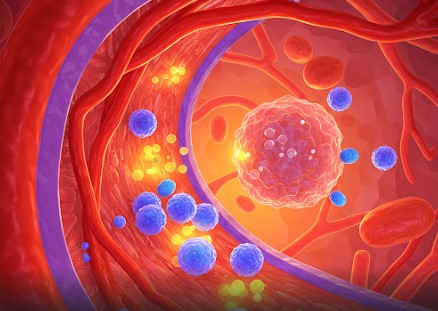
Medications you can use to treat High Blood Pressure

There are several classes of medications that are commonly used to treat high blood pressure. Some of the most commonly prescribed medications include:

ACE inhibitor:

These medications relax blood vessels by blocking the production of a hormone that narrows blood vessels. Examples include lisinopril, enalapril, and ramipril.

Angiotensin II receptor blockers (ARBs)

 These medications work by blocking the effects of a hormone that narrows blood vessels. Examples include losartan, valsartan, and candesartan.

Calcium channel blockers`  

These medications relax blood vessels by blocking the entry of calcium into muscle cells in the walls of the blood vessels. Examples include amlodipine, verapamil, and diltiazem.

Diuretics 

These medications help the body get rid of excess salt and water, which can reduce the amount of fluid in the blood vessels and lower blood pressure. Examples include hydrochlorothiazide, chlorthalidone, and furosemide.

Beta blockers

These medications reduce the heart rate and the force of the heart’s contractions, which can lower blood pressure. Examples include atenolol, metoprolol, and propranolol.

Renin inhibitors

This class of medication works by inhibiting the action of an enzyme that stimulates the production of a hormone that can raise blood pressure. The only renin inhibitor currently available is aliskiren.

It’s important to note that different people may respond differently to different medications, and it may take some trial and error to find the medication or combination of medications that works best for an individual. Only a licensed healthcare provider can diagnose and treat high blood pressure, so it’s important to work with your doctor to determine the best course of treatment for you.

What is High Blood Pressure and How to Reduce it Naturally

A high blood pressure reading

High blood pressure, also known as hypertension, is a condition in which the force of blood against the walls of the arteries is consistently too high. This can put a strain on the heart and blood vessels and can increase the risk of heart disease, stroke, and other health problems.

There are several natural ways to help reduce high blood pressure. Here are a few:

Eat a healthy diet

Consuming a diet that is high in whole foods such as fruits, vegetables, whole grains, and lean proteins, while limiting processed and high-sodium foods, can help reduce blood pressure.

Exercise regularly

Physical activity can help reduce blood pressure and improve overall heart health. Aim for at least 30 minutes of moderate-intensity exercise, such as brisk walking or cycling, most days of the week.

Maintain a healthy weight

Being overweight or obese can increase the risk of high blood pressure. Maintaining a healthy weight through diet and exercise can help reduce blood pressure.

Reduce stress

Chronic stress can contribute to high blood pressure. Finding healthy ways to manage stress, such as meditation or yoga, can help lower blood pressure.

Limit alcohol and caffeine

Excessive alcohol and caffeine intake can raise blood pressure. Limiting or avoiding these substances can help reduce blood pressure.

It’s important to note that natural remedies may not be enough to manage high blood pressure in all cases, and some people may require medication or other medical interventions. If you have high blood pressure, it’s important to work with your healthcare provider to develop a personalized treatment plan.

Symptoms of Heart Diseases

A man having a heart attack

Heart disease can present with a variety of symptoms, including:

Chest pain or discomfort, which may feel like pressure, tightness, squeezing, or burning.

Shortness of breath, which may occur during exertion or at rest.

Fatigue or weakness.

Swelling in the legs, ankles, or feet.

Irregular heartbeat or palpitations.

Dizziness or lightheadedness.

Nausea or vomiting.

Sweating, especially with chest discomfort.

Indigestion or heartburn.

It is important to note that not all people with heart disease experience symptoms, and some people may experience atypical symptoms, such as jaw pain, shoulder pain, or back pain. If you are experiencing any of these symptoms or are concerned about your heart health, consult with your healthcare provider.

Symptoms of Kidney Disease

Human Kidney

The symptoms of kidney disease can vary depending on the stage and type of kidney disease, but some common symptoms are:

Changes in urination, such as increased or decreased frequency, urine that is dark or foamy, or difficulty urinating.

Swelling in the hands, feet, ankles, or face due to fluid buildup.

Fatigue, weakness, or lack of energy.

High blood pressure.

Loss of appetite and weight loss.

Nausea and vomiting.

Itching or numbness due to nerve damage.

Trouble sleeping.

Muscle cramps or twitching.

Shortness of breath or difficulty breathing.

It’s important to note that some people with kidney disease may not experience any symptoms in the early stages. That’s why it’s important to get regular checkups and blood tests to monitor kidney function, especially if you have risk factors such as diabetes, high blood pressure, or a family history of kidney disease.

2 Natural Home made Deodorant Recipes for Sensitive Skin

Natural deodorant

Here are 2 natural homemade deodorant recipes to try at home. This deodorant is very gentle on your skin

Recipe 1

12 tablespoons of coconut oil

12 tablespoons of shea butter

8 tablespoons of diatomaceous earth

8 tablespoons of arrowroot powder

10 drops of vitamin E oil

Recipe 2

12 tablespoons of coconut oil

12 tablespoons of beeswax

12 tablespoons of arrowroot powder

4 tablespoons of cornstarch

2 teaspoons of honey.

Method

With reference to the chosen recipe, melt the thick oils such as the bees wax, coconut oil and shear butter on low heat over the stove. Mix them thoroughly until an even mixture is formed. Allow the mixture to cool down then add the powders such as the arrowroot powder, cornstarch or   the 

diatomaceous earth , then add the honey,  and mix thoroughly. Leave the mixture to solidify and it is ready to use.

Homemade Deodorants

Homemade Deodorants

Below are some homemade deodorant recipes that are suited for different seasons. It is well known that certain scents and certain textures of deodorants work best in certain seasons than others. 

Summer / Spring deodorant Recipes

Summer and spring are the seasons of fresh air, sunshine, and warmth. That’s why cooling, refreshing and tangy scents are the best for these seasons when it comes to deodorants.

Summer / Spring deodorant Recipe 1

2 tablespoons of coconut oil

1 tablespoon beeswax

1 tablespoon arrowroot powder

1 tablespoon bentonite clay

10 drops tea tree essential oil

Procedure

Melt the coconut oil and beeswax on the stove, and mix the clay and arrowroot powder in a bowl. Combine the oil and beeswax with the powder, and then add the essential oil. This is a cooling, freshly scented deodorant that is not too drying nor too moisturizing and is great for preventing acne on the body.

Summer / Spring Deodorant Recipe 2

2 tablespoons of coconut oil

1 tablespoon beeswax

2 tablespoons baking soda

2 drops lemon oil

8 drops sweet orange oil

Procedure

Melt the coconut oil and beeswax on the stove, and then add the baking soda.

Follow with the essential oils, and mix thoroughly. This will give you a sweet and sour citrus scented deodorant that will freshen you up on warm days.

Winter / Fall Deodorant Recipes

For winter and fall, warm, cozy and spicy scents are the best to make you feel comforted and relaxed.

Winter / Fall Deodorant Recipe 1

2 tablespoons of coconut oil

2 tablespoons of cocoa butter

2 tablespoons of baking soda

1 tablespoon arrowroot powder

5 drops sandalwood oil

5 drops cinnamon oil

Procedure

Mix the coconut oil and cocoa butter before adding the baking soda and arrowroot powder. Follow with the essential oils, and blend thoroughly. This creamy deodorant has a spicy, musky scent that is great for men and women to use in the winter or fall.

Winter / Fall Deodorant Recipe 2:

2 tablespoons of cocoa butter

2 tablespoons of shea butter

3 tablespoons baking soda

10 drops of vanilla oil.

Procedure

Blend the emollient butter before adding the baking soda and vanilla oil. This is another great unisex deodorant with a comforting vanilla scent that is sure to make you feel good in the chillier months.

Winter / Fall Deodorant Recipe 3

4 tablespoons coconut oil

3 tablespoons baking soda

5 drops clove oil

Procedure

Simply blend the coconut oil, baking soda and essential oil to create a musky, spicy deodorant that is ideal for fall and winter. This creamy deodorant is also a great moisturizer for dry underarms.