A Recipe for Simple Vanilla Cupcakes

A recipe for vanilla cupcakes yeilding 6 cupcakes.

Ingredients:

  • All-Purpose Flour: ¾ cup
  • Baking Powder: 1 ½ teaspoons
  • Salt: ¼ teaspoon
  • Unsalted Butter: ½ cup (1 stick), softened
  • Sugar: ¾ cup
  • Eggs: 2 large
  • Vanilla Extract: 1 teaspoon
  • Milk: ¼ cup

Instructions:

  1. Preheat the Oven: Preheat your gas oven to 350°F (175°C). Line a muffin tin with cupcake liners.
  2. Combine Dry Ingredients: In a medium bowl, whisk together the flour, baking powder, and salt.
  3. Cream Butter and Sugar: In a large mixing bowl, use your hand mixer to beat the softened butter and sugar together on medium speed until light and fluffy (about 2 minutes).
  4. Beat in Eggs: Add the eggs one at a time, beating well after each addition. Stir in the vanilla extract.
  5. Alternate Wet and Dry: With the mixer on low speed, alternately add the flour mixture and the milk to the butter mixture, beginning and ending with the flour mixture. Mix just until combined, being careful not to overmix.
  6. Fill the Liners: Divide the batter evenly among the prepared cupcake liners, filling them about ⅔ full.
  7. Bake: Bake for 18-22 minutes, or until a toothpick inserted into the center comes out clean.
  8. Cool: Let the cupcakes cool in the muffin tin for a few minutes, then transfer them to a wire rack to cool completely.

Frosting (optional):

You can frost the cupcakes with your favorite frosting or simply dust them with powdered sugar. Here’s a simple buttercream frosting you can make with your hand mixer:

Ingredients:

  • Unsalted Butter: ¼ cup (½ stick), softened
  • Powdered Sugar: 1 ½ cups
  • Milk: 1 tablespoon
  • Vanilla Extract: ½ teaspoon

Instructions:

  1. In a large mixing bowl, beat the softened butter with your hand mixer on medium speed until smooth.
  2. Gradually add the powdered sugar, beating on low speed until combined.
  3. Add the milk and vanilla extract and beat on medium speed until light and fluffy.

Tips:

  • Don’t Overmix: Overmixing the batter can lead to dense cupcakes.
  • Room Temperature Ingredients: Ensure your butter and eggs are at room temperature for the best results.
  • Test for Doneness: The toothpick test is the most reliable way to determine if your cupcakes are done.
  • Creative Toppings: Get creative with your frosting flavors and toppings!

Enjoy your delicious homemade cupcakes!

A Recipe for making Fluffy Biscuits at Home

Ingredients:

  • All-Purpose Flour: 2 cups
  • Baking Powder: 1 tablespoon
  • Baking Soda: ¼ teaspoon
  • Sugar: 1 teaspoon
  • Salt: ½ teaspoon
  • Cold Unsalted Butter: ½ cup (1 stick), cut into small cubes
  • Cold Buttermilk: ¾ cup

Instructions:

  1. Preheat Your Oven: Preheat your gas oven to 450°F (230°C). This high temperature is essential for a good rise and flaky layers.
  2. Combine Dry Ingredients: In a large mixing bowl, whisk together the flour, baking powder, baking soda, sugar, and salt.
  3. Cut in the Butter: Add the cold cubed butter to the dry ingredients. Using your hand mixer on low speed, or a pastry cutter if you have one, cut the butter into the flour mixture until it resembles coarse crumbs. The butter pieces should be about the size of peas. (Alternatively, you can pulse the mixture in a food processor if you have one).
  4. Add the Buttermilk: Gradually pour the cold buttermilk into the flour mixture. Mix on low speed just until the dough comes together. Be careful not to overmix, as this can make the biscuits tough.
  5. Shape and Cut the Biscuits: Turn the dough out onto a lightly floured surface. Gently pat the dough into a rectangle about ½ inch thick. Using a floured biscuit cutter or a drinking glass, cut out biscuits. Gather any scraps of dough, gently press them together, and cut out more biscuits.
  6. Bake the Biscuits: Place the biscuits on an ungreased baking sheet. Bake for 10-12 minutes, or until the tops are golden brown.
  7. Enjoy: Let the biscuits cool slightly on the baking sheet before serving. They’re delicious on their own with butter and jam, or you can use them for breakfast sandwiches.

Tips:

  • Cold Butter: Make sure your butter and buttermilk are cold. This helps create flaky layers in the biscuits.
  • Don’t Overmix: Mix the dough just until it comes together. Overmixing can make the biscuits tough.
  • Handle Gently: Handle the dough as little as possible to keep the biscuits tender.
  • Quick Work: Biscuits are best when baked soon after mixing, so work quickly to get them in the oven.

A Recipe for Sweet White Bread and How to Bake it at Home

Ingredients:

  • Warm Water: 1 ¼ cups (105°F-115°F)
  • Active Dry Yeast: 2 ¼ teaspoons (1 packet)
  • Sugar: ¼ cup + 1 pinch
  • Salt: 1 tablespoon
  • Vegetable Oil: 2 tablespoons
  • All-Purpose Flour: 5 ½ – 6 ½ cups
  • Butter: (optional, for topping)

Instructions:

  1. Activate the Yeast: In a small bowl, combine the warm water, 1 pinch of sugar, and the yeast. Let it sit for about 5 minutes until it becomes frothy (this means the yeast is alive and active).
  2. Mix the Dough: In a large mixing bowl, combine the remaining sugar, salt, vegetable oil, and 3 cups of flour. Use your hand mixer to combine everything until it’s well mixed.
  3. Add Wet Ingredients: Gradually add the yeast mixture to the flour mixture while using your hand mixer on low speed. Continue mixing until everything is incorporated.
  4. Incorporate Flour: Gradually add more flour, about ½ cup at a time, while continuing to mix. The dough should start to pull away from the sides of the bowl and become slightly sticky.
  5. Knead the Dough: Lightly flour a clean surface. Transfer the dough onto the floured surface and knead it for about 5-7 minutes. To knead, fold the dough over itself, press down with the heel of your hand, and turn it. The dough should become smooth and elastic.
  6. First Rise: Lightly oil a large bowl. Place the dough in the bowl, turning it to coat all sides with oil. Cover the bowl with a damp cloth or plastic wrap and let the dough rise in a warm, draft-free place for about 1 hour, or until it doubles in size.
  7. Shape the Bread: Punch down the dough to release the air. Divide it in half (or shape into rolls, if desired). Shape each half into a loaf and place in a greased loaf pan.
  8. Second Rise: Cover the loaf pans loosely with plastic wrap or a damp cloth. Let the dough rise again for about 30-45 minutes, or until it rises about 1 inch above the rim of the pans.
  9. Preheat the Oven: Preheat your gas oven to 375°F (190°C).
  10. Bake the Bread: Bake the bread for 25-35 minutes, or until golden brown and hollow-sounding when tapped. If the top starts to brown too quickly, you can loosely tent it with foil.
  11. Cool: Remove the bread from the pans and let it cool on a wire rack before slicing.

Tips:

  • If you don’t have a warm place for the dough to rise, you can create a warm environment by placing a bowl of hot water in the bottom of your oven (turned off) and placing the covered dough on a rack above it.
  • For a softer crust, brush the top of the bread with melted butter before baking.

10 foods that can boost your brain power

Here are 10 common foods that can boost your brain power and promote overall cognitive health

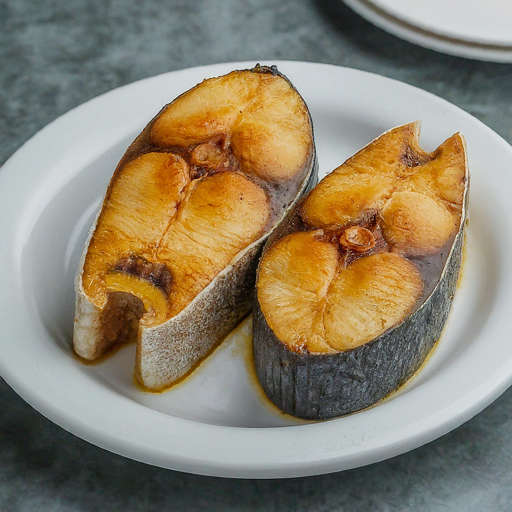
1. Fatty Fish

cooked fatty fish

Fatty fish like salmon, tuna, sardines, and herring are supreme brain foods. They’re excellent sources of omega-3 fatty acids, which play a crucial role in maintaining brain structure, improving memory, and reducing age-related cognitive decline.

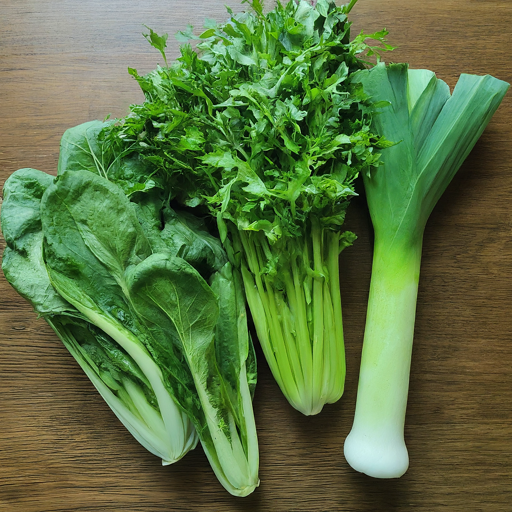
2. Leafy Greens

leafy greens

Leafy green vegetables like spinach, kale, and collard greens are packed with brain-boosting nutrients like vitamin K, folate, beta carotene, and lutein. These nutrients are associated with slower cognitive decline and enhanced memory function.

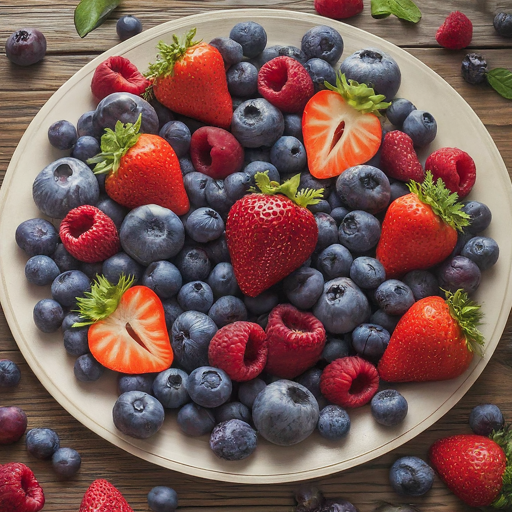
3. Berries

berries

Blueberries, strawberries, and blackberries are rich in antioxidants called flavonoids. Flavonoids help protect brain cells from damage, improve communication between neurons, and promote cognitive function.

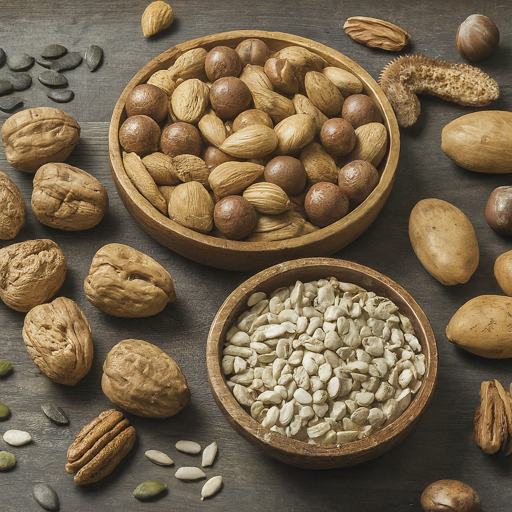
4. Nuts and Seeds

nuts and seeds

Nuts and seeds are powerhouses of vitamin E, healthy fats, and antioxidants. Vitamin E protects brain cells from oxidative stress, potentially reducing the risk for neurodegenerative diseases. Examples include walnuts, almonds, sunflower seeds, and chia seeds.

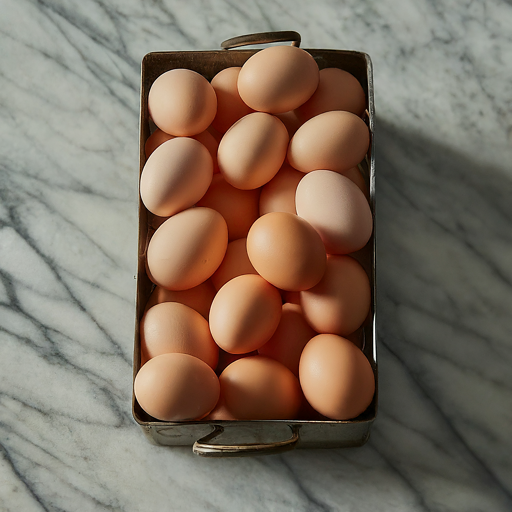
5. Eggs

eggs

Eggs are a good source of choline, an essential nutrient involved in the production of acetylcholine, a neurotransmitter vital for memory and learning.

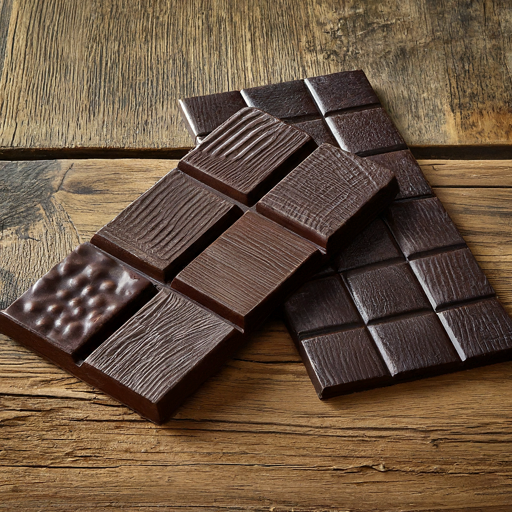
6. Dark Chocolate

chocolate bar

Dark chocolate (70% cocoa or higher) contains flavonoids and antioxidants that can enhance blood flow to the brain, promote brain cell growth, and improve cognitive function.

7. Coffee

roasted coffee beans

Coffee contains caffeine, which acts as a stimulant to boost alertness, concentration, and focus. Additionally, coffee is a source of antioxidants that may protect the brain from damage.

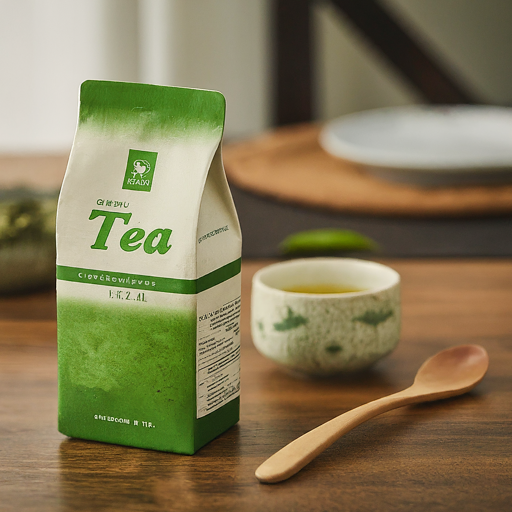
8. Green Tea

green tea

Green tea contains L-theanine, an amino acid that promotes relaxation and reduces stress. It also has a small amount of caffeine and antioxidants that support brain health.

9. Turmeric

tumeric

This bright yellow spice contains curcumin, a powerful anti-inflammatory and antioxidant compound. Curcumin may protect against cognitive decline and promote brain cell growth.

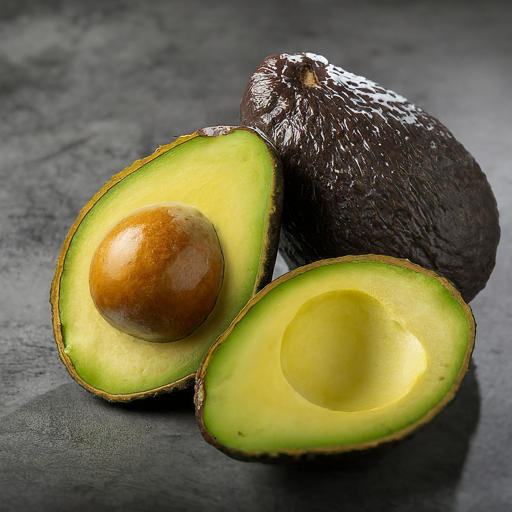
10. Avocados

avocado

Avocados are a rich source of healthy monounsaturated fats, which promote blood flow to the brain. They also contain vitamin K and folate, which help protect against stroke and enhance cognitive function.

Remember: A healthy diet is just one piece of the puzzle. Make sure you’re also getting enough sleep, exercising regularly, and engaging in mentally stimulating activities for optimal brain health!

A Taste of Nigeria: How Coca-Cola is Bottled Locally

While the Coca-Cola Company guards its secret formula closely, in Nigeria, the production and bottling process showcases a successful model of franchising and adaptation. Let’s delve into the refreshing journey of how Nigerians enjoy their favorite fizzy drink.

1. The Local Player: The Nigerian Bottling Company (NBC)

The Coca-Cola Company itself doesn’t bottle Coca-Cola in Nigeria. Instead, they partner with the Nigerian Bottling Company (NBC) [1]. Established in 1951 [2], NBC is the sole franchise bottler for Coca-Cola in Nigeria, also responsible for distributing other Coca-Cola Company brands like Fanta and Sprite [1]. Interestingly, NBC has also ventured into producing its own beverages like Eva water [3].

2. Sourcing Local Ingredients: A Sustainable Approach

NBC prioritizes sustainability in its operations [4]. They’ve established a maize farm in Edo State to produce fructose syrup, a key sweetener in Coca-Cola [4]. This not only reduces reliance on imported ingredients but also creates jobs and supports local farmers.

3. Manufacturing Hubs: Bottling Plants Across Nigeria

NBC boasts several bottling plants across Nigeria, ensuring efficient distribution throughout the country. Their flagship plant in Ikeja, Lagos, is the largest in Africa, with a staggering annual capacity of over 225 million unit cases [5]. Other notable plants include Maiduguri in Borno State, which caters to the North-Eastern region [5].

4. The Global Recipe, Locally Bottled: Matching Global Standards

While the exact Coca-Cola formula remains a secret, NBC adheres to strict quality control measures set by The Coca-Cola Company [4]. The syrup concentrate is shipped from Coca-Cola to NBC, ensuring a consistent taste profile across the globe. At the bottling plants, the concentrate is meticulously diluted with filtered water in precise proportions to achieve the perfect balance of sweetness and carbonation [6].

5. The Fizz Factor: Achieving Bubbly Perfection

Just like anywhere else in the world, the bottling process in Nigeria involves carbonation. Filtered water is saturated with carbon dioxide gas under pressure, creating the tiny bubbles that give Coca-Cola its refreshing fizz [6]. The exact level of carbonation is precisely controlled to match global standards.

6. Hygiene First: Stringent Cleaning and Sanitation

Maintaining hygiene is paramount throughout the bottling process. In Nigerian plants, just like anywhere else, bottles go through a rigorous cleaning and sanitization process before filling [6]. This eliminates any potential contaminants and ensures the final product is safe for consumption.

7. Quality Control: Ensuring Consumer Satisfaction

NBC maintains rigorous quality control measures throughout production [4]. Samples are taken regularly and tested for taste, carbonation level, and visual clarity. Bottles also undergo pressure tests to guarantee they can withstand the pressure from the carbonation.

References:

10 Common Fruits Good for Eyesight

Various fruits

  1. Citrus fruits: Rich in vitamin C, which helps protect against age-related macular degeneration and cataracts. Examples include oranges, grapefruits, lemons, and limes.
  2. Berries: Packed with antioxidants that may help protect the eyes from damage. Examples include blueberries, strawberries, raspberries, and blackberries.
  3. Kiwi: Contains lutein and zeaxanthin, carotenoids important for macular health.
  4. Mango: Rich in vitamin A, which helps with night vision and protects the cornea.
  5. Pineapple: Contains bromelain, an enzyme that may help reduce inflammation in the eyes.
  6. Papaya: Provides vitamin A and beta-carotene, essential for healthy vision.
  7. Cantaloupe and Honeydew melon: Contain vitamins C and A, beneficial for overall eye health.
  8. Pomegranate: Rich in antioxidants that may help protect against eye diseases.
  9. Goji berries: Contain zeaxanthin, lutein, and vitamin C, important for eye health.
  10. Acai berries: Rich in antioxidants that may help protect the eyes from free radical damage.

Remember, while these fruits are beneficial for eye health, they should be part of a balanced diet and not considered a sole solution for any eye problems. Consult your doctor for personalized advice