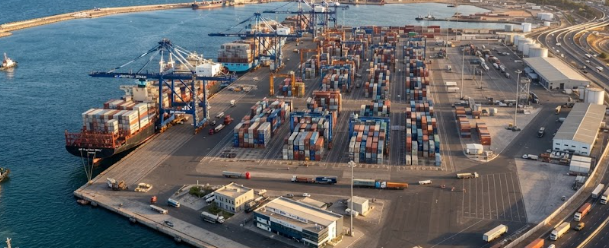
Global trade relies heavily on smooth maritime operations to move goods across borders. However, major port congestion often delays cargo, increases freight costs, and disrupts delivery schedules. To fix these problems, governments and private investors are turning to regional port modernization. By upgrading smaller and medium-sized maritime hubs, countries can handle larger ships and process container cargo faster. Consequently, modern ports serve as vital engines for sustainable economic growth.
Infrastructure Upgrades Overview and Port Expansions
Port infrastructure needs constant improvements to keep up with growing global trade volumes. In recent years, approved expansion projects have upgraded several regional maritime hubs to relieve primary congestion points. For example, targeted expansions across Nigerian regional ports—such as Onne, Rivers, Delta, and Calabar ports—have upgraded channel depths and expanded berth capacities.
Civil engineers design these upgrades to handle larger vessels, modern container cranes, and heavy terminal equipment. Dredging river channels allows bigger ships to dock safely without waiting for high tides. Furthermore, expanding container yards and building modern access roads helps cargo move out of the port quickly. As a result, these structural upgrades distribute maritime traffic evenly and protect primary commercial hubs from operational breakdown.
Economics of Shipping and Reducing Demurrage Costs
Upgrading regional berths directly improves the financial side of maritime logistics. When a ship waits at anchor for days due to port congestion, shipping lines pay heavy demurrage fees. These extra delay fees quickly raise the final price of imported items.
However, regional port modernization shortens vessel turnaround times significantly. Modern gantry cranes load and unload containers much faster than older machinery. Faster ship unloading cuts demurrage charges and reduces freight costs for importers. Eventually, these logistics savings reach the market, which stabilizes consumer goods pricing for everyday buyers.
TRADITIONAL SINGLE-PORT BOTTLENECK
[Ship Arrival] —> 120-Hour Anchorage Wait —> High Demurrage —> Price Inflation
MODERNIZED DECENTRALIZED NETWORK
[Ship Arrival] —> 18-Hour Direct Berth —> Low Freight Cost —> Price Stability
Supply Chain Resilience and Decentralized Networks
Relying on a single primary port creates severe risks for national supply chains. If a main port faces equipment failure, labor shortages, or natural hazards, the whole supply chain stops working. Recent global supply chain disruptions have proven that single-port dependence creates dangerous bottlenecks.
Building decentralized port networks solves this issue by spreading shipping traffic across multiple well-equipped regional ports. When one port experiences heavy traffic, shipping companies can reroute vessels to nearby regional alternatives without long delays. Therefore, active regional port modernization builds a resilient logistics system that keeps cargo moving smoothly during unexpected disruptions.
Regional Industrial Impact and Economic Growth
Modernized port facilities do much more than move container cargo; they power regional industrial growth. Upgraded ports create a strong economic multiplier effect by attracting foreign direct investment (FDI) to surrounding coastal communities. Investors prefer building manufacturing plants and warehouses near efficient maritime infrastructure.
In addition, expanding regional maritime hubs creates thousands of direct and indirect jobs. Local workers find new career opportunities in port management, civil engineering maintenance, logistics, and heavy transport operations. As new industries grow around modernized ports, local communities experience steady economic development and rising living standards.
References
- African Development Bank (AfDB). (2023). African Development Report: Infrastructure and Regional Integration. AfDB Publishing.
- Nigerian Ports Authority (NPA). (2024). Annual Port Performance and Modernization Report. NPA Public Document.
- UNCTAD. (2023). Review of Maritime Transport 2023: Building Resilience in Maritime Supply Chains. United Nations Publications.
- World Bank. (2022). The Container Port Performance Index 2022: A Comparable Assessment of Container Port Performance. World Bank Group.
For further reading on international maritime policies and port efficiency standards, visit the International Maritime Organization (IMO).