5 High-Protein Foods That Will Help You Shed Pounds

Eating a high-protein diet can be a powerful tool for weight loss. Protein helps you feel full, boosts your metabolism, and preserves muscle mass—all vital factors for healthy weight reduction. Here are five delicious, protein-packed foods to incorporate into your diet:

1. Lean Chicken Breast

lean chicken breast

A classic for a reason! Chicken breast is a lean protein superstar. A 3-ounce serving provides around 26 grams of protein with minimal fat. It’s versatile too: grill it, bake it, shred it into salads – the possibilities are endless.

2. Salmon

Salmon

Salmon is not only a protein powerhouse but also a rich source of heart-healthy omega-3 fatty acids. These fats help reduce inflammation and contribute to overall health. A 3-ounce serving of salmon offers up to 20 grams of protein.

3. Eggs

Boiling eggs

Eggs are a breakfast staple, and for good reason. They’re a complete protein source, meaning they provide all the essential amino acids your body needs. One large egg contains about 6 grams of protein, plus healthy fats and essential vitamins.

4. Greek Yogurt

Yogurt

Greek yogurt boasts a thicker, creamier texture than regular yogurt, along with double the protein. A single serving packs around 17 grams of protein and makes for a satisfying snack or light meal. Pair it with berries and a bit of granola for a balanced boost.

5. Lentils

Lentils

Lentils are a fantastic vegetarian protein option. Just one cooked cup provides about 18 grams of protein and a hearty dose of fiber, which promotes satiety. Lentils are incredibly versatile – toss them into soups, stews, or enjoy them on their own.

Important Notes:

  • Portion Control: Even with protein-rich foods, portion sizes matter. Consult a nutritionist or use online calorie trackers to ensure you’re on track.
  • Variety is Key: Don’t depend on these five foods alone. Include other protein sources like lean beef, beans, tofu, and nuts for a balanced diet.
  • Exercise Matters: Pairing a high-protein diet with regular exercise is the ultimate recipe for successful and sustained weight loss.

Hypertention; why it is common among people of African decent

There isn’t a single, definitive answer to why hypertension (high blood pressure) is more common among people of African descent, but researchers believe a combination of factors likely plays a role:

Genetics:

  • There might be genetic predispositions in people of African ancestry that make them more susceptible to salt sensitivity or differences in how their bodies regulate blood pressure.

Social and Environmental factors:

  • Socioeconomic factors: Black communities often face higher rates of poverty, lower access to quality healthcare, and limited healthy food options. These factors can contribute to stress, unhealthy diets, and obesity, all of which increase the risk of hypertension.
  • Dietary Habits: Diets high in processed foods, sodium, and low in fruits and vegetables are more common in some Black communities. These dietary patterns can contribute to hypertension.
  • Stress: Chronic stress is a significant risk factor for high blood pressure, and Black populations may face more stressors due to social and economic factors.

Here’s some additional information to consider:

  • Black people tend to develop hypertension earlier in life and experience more severe cases.
  • Interestingly, studies comparing Black populations in Africa to those in the diaspora (descendants of slaves who live outside of Africa) show a higher prevalence of hypertension among those living elsewhere. This suggests that environmental and social factors likely play a significant role.

Further Research is Ongoing

Scientists are actively researching the reasons behind this health disparity. Understanding the complex interplay of genetics, environment, and social factors is crucial for developing targeted prevention and treatment strategies to manage hypertension effectively among people of African decent.

Stealth Fighter Jets Explained

What are stealth fighter jets?

Stealth fighter jets are designed to be nearly invisible to enemy detection systems like radar. They achieve this through a combination of factors:

  • Shape: Their bizarre angular shapes help deflect radar waves away from their source, making them much harder to track. The F-117 Nighthawk is a prime example of this.
  • Radar-Absorbent Materials (RAM): Special coatings on the aircraft absorb radar energy rather than reflecting it.
  • Reduced Infrared Signature: Stealth jets minimize their heat output from engines, reducing their visibility to infrared tracking systems.
  • Electronic Countermeasures: They often carry systems to jam or confuse enemy radar.

Why are they important?

Stealth technology gives fighter jets a massive tactical advantage:

  • First Strike Capability: They can infiltrate enemy territory undetected, taking out air defenses or launching surprise attacks.
  • Survivability: It’s a lot harder to shoot down something you can’t see. Stealth fighters greatly increase mission success and pilot safety.

Famous Stealth Fighters

  • F-117 Nighthawk: The first operational stealth aircraft, famous for its otherworldly looks. Now retired from active service, but still iconic.
  • B-2 Spirit: A stealth bomber with a unique flying-wing design. Incredibly expensive, yet an extraordinary feat of engineering.
  • F-22 Raptor: The premier air superiority fighter designed to dominate the skies, combining stealth with speed and maneuverability.

F-35 Lightning II: A multi-role stealth fighter, more versatile than the F-22. While its stealth capabilities aren’t quite as strong, it excels with its advanced sensors and networked electronics.

What is Glaucoma; its causes, symptoms and treatment

What is glaucoma?

Glaucoma is a group of eye diseases that gradually damage the optic nerve, the bundle of nerve fibers connecting your eye to the brain. This damage is often caused by abnormally high pressure inside your eye, known as intraocular pressure (IOP). Glaucoma is one of the leading causes of blindness for people over the age of 60.

Types of glaucoma

The two main types of glaucoma are:

  • Open-angle glaucoma: The most common type. The drainage angle in the eye, where fluid should flow out, remains open, but the microscopic drainage canals become partially blocked, causing the fluid to build up slowly and raise eye pressure.
  • Angle-closure glaucoma: Less common, but can be more severe. The drainage angle becomes completely blocked, usually by the iris bulging forward, causing a rapid rise in eye pressure. This is a medical emergency.

Causes of glaucoma

The exact causes of glaucoma aren’t fully understood, but several factors are involved:

  • High eye pressure: Increased pressure inside the eye (intraocular pressure) due to the buildup of aqueous humor (fluid in your eye).
  • Age: People over 60 are at higher risk.
  • Ethnicity: People of African, Asian, and Hispanic descent are at increased risk.
  • Family history: Glaucoma can have a genetic component.
  • Medical conditions: Diabetes, high blood pressure, heart disease, and sickle cell anemia can increase risk.
  • Eye injury: Serious eye injuries can lead to glaucoma.

Symptoms of glaucoma

Glaucoma can be a silent disease, especially in its early stages. Symptoms may not appear until significant damage has occurred. Here’s what to watch for:

  • Open-angle glaucoma:
  • Gradual loss of peripheral vision, usually in both eyes
  • Tunnel vision in the advanced stages
  • Angle-closure glaucoma:
  • Severe eye pain
  • Nausea and vomiting
  • Sudden blurred vision
  • Halos around lights
  • Red eyes

Prevention of glaucoma

While there’s no sure way to prevent glaucoma, these steps can help:

  • Regular eye exams: Early detection is key. Get dilated eye exams every 1-2 years, especially if you are at higher risk.
  • Manage medical conditions: Control diabetes, blood pressure, and other conditions that increase your risk.
  • Eye protection: Wear protective eyewear during activities that could cause eye injuries.
  • Healthy lifestyle: Exercise, a healthy diet, and not smoking may have a protective effect.

Treatment of glaucoma

Glaucoma cannot be cured, but treatment focuses on lowering eye pressure to prevent further damage. Treatment options include:

  • Eye drops: Medications can either reduce fluid production or help it drain better.
  • Laser surgery: Procedures like trabeculoplasty can help improve fluid drainage.
  • Minimally invasive glaucoma surgery (MIGS): These procedures create alternative drainage pathways to reduce IOP.
  • Incisional surgery: Used when other treatments fail, traditional surgery creates a new drainage channel in the eye.

Important note: If you experience any symptoms of glaucoma, especially sudden blurry vision or eye pain, seek immediate medical attention from an eye doctor (ophthalmologist).

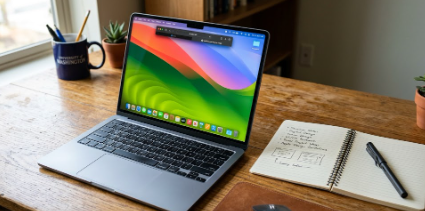
How your laptop can function as a remote control

While specific software might have its own requirements, here are the general features your laptop should have to function as a remote control:

Hardware:

  • Operating System (OS): Most URC (Universal Remote Control) software is compatible with Windows and macOS. There are some options for Android and iOS devices as well, but these would likely require an emulator for use on a laptop.
  • USB Port (optional): Some URC software might require an IR (Infrared) blaster that plugs into a USB port. The IR blaster transmits signals like a traditional remote control.
  • Wi-Fi: Many URC solutions communicate with devices via Wi-Fi, so a working Wi-Fi connection is essential.

Software:

  • URC software or compatible app: You’ll need to download and install URC software or a compatible app from the device manufacturer specifically designed for remote control functionality.
  • Emulator (optional): If you want to use a manufacturer’s remote control app designed for mobile devices (iOS/Android) on your laptop, you might need an emulator program like Bluestacks to run the app.

Other Considerations:

  • Firewall settings: Your firewall might block communication between the URC software and your devices. You might need to adjust firewall settings to allow for proper functionality.

While these are the main features, keep in mind that some advanced functionalities might be limited. For instance, a URC software might not be able to replicate every single button on your original remote, especially those specific to a particular device.

Drones, Ballistic and Cruise Missiles: Understanding the Aerial Arsenal

Military Drone

In the news lately, there’s been a lot of talk about drones, ballistic missiles, and cruise missiles. While they all fly, these machines have very different purposes and functionalities. Let’s break down the key features of each:

Drones:

  • Think: Remote-controlled flying robots.
  • Purpose: Can be used for military operations (surveillance, attack), civilian applications (photography, delivery), or even recreation.
  • Flight: Controlled by a pilot or programmed for autonomous flight. Can take off and land vertically or require a runway.
  • Range: Varies depending on size and purpose. Ranges can be anything from a few kilometers to thousands.
  • Examples: Predator drones (military), delivery drones (commercial), DJI Mavic (recreational).

Ballistic Missiles:

Ballistic Missile

  • Think: Powerful, one-way rockets.
  • Purpose: Designed to deliver a large explosive payload over long distances. Primarily used by militaries.
  • Flight: Launched vertically and then follow a pre-programmed ballistic trajectory, similar to how a thrown rock travels. They don’t have wings and cannot be steered mid-flight.
  • Range: Intercontinental ballistic missiles (ICBMs) can travel continents, while Short-Range Ballistic Missiles (SRBMs) have a shorter range.
  • Examples: ICBM like the Minuteman III (US), Scud missile (various countries).

Cruise Missiles:

  • Think: Pilotless, self-propelled airplanes.
  • Purpose: Deliver a payload over long distances with more precision than ballistic missiles. Used by militaries.
  • Flight: Powered by jet engines and can fly at lower altitudes than ballistic missiles, following a pre-programmed course with the ability to adjust for terrain.
  • Range: Can vary depending on the size and design, but generally shorter than ICBMs.
  • Examples: Tomahawk missile (US), BrahMos (India-Russia).

In a nutshell:

  • Drones: Flexible, reusable flying machines for various applications.
  • Ballistic Missiles: Powerful, long-range rockets for delivering explosives.
  • Cruise Missiles: Precise, self-propelled airplanes for targeted attacks.

Understanding these differences can help you make sense of the news and the ever-evolving world of aerial technology.