Septic Tank: How it works and Construction Methods

Plastering the inside walls of a septic tank

A septic tank is an underground chamber, typically made of concrete, fiberglass, or plastic, that plays a crucial role in waste management for properties not connected to public sewers. It essentially acts as a mini wastewater treatment plant on your own land. Here’s a breakdown of its function:

Function:

  • Waste collection: It receives wastewater from your home, including toilets, sinks, and showers.
  • Separation: Inside the tank, the wastewater separates into three layers:
  • Scum: Oils and grease float to the top.
  • Effluent: Partially treated liquid (water) remains in the middle.
  • Sludge: Heavier solids settle at the bottom.
  • Partial treatment: Anaerobic bacteria (those that thrive without oxygen) decompose the sludge, breaking down organic matter.
  • Effluent disposal: The clarified effluent flows out of the tank and typically goes to a drainfield for further filtration and treatment by the soil.
  • Sludge management: The remaining sludge needs periodic pumping and proper disposal to maintain the tank’s efficiency.

Benefits:

  • Provides basic wastewater treatment where public sewers are unavailable.
  • Relatively simple and cost-effective compared to other on-site systems.
  • Low maintenance with proper care and pumping.

Important things to note:

  • Septic tanks require regular maintenance, including pumping the sludge every 1-2 years.
  • Using harsh chemicals can harm the beneficial bacteria in the tank.
  • Overloading the system with excessive water or improper waste disposal can cause malfunctions.

How Septic Tank Works

The influent enters the tank and goes through the three main stages of treatment:

Stage One : Separation of Liquids and Solids The influent enters the first compartment of the tank where solid waste settles at the bottom and the clear liquid flows on top.

Stage Two : Anaerobic Decomposition In the absence of oxygen decomposing microbes (called anaerobic bacteria ) break down the solid material further.

Stage Three : Clarification The partially treated liquid flows into the second compartment where it further settles and clarifies.

The treated liquid known as effluent flows out of the tank and eventually goes to the drainfield for further filtration and treatment. The sludge remains at the bottom of the tank and needs to be pumped out periodically for disposal. It is important to note that septic tanks are not fail -proof and regular maintenance is important for their effective functioning.

Additional tips on how to maintain your septic tank:

  • Do not put chemicals down your drains that could harm the microbes living in the septic tank.
  • Do not overload the system by flushing down extra water or putting strain on the toilet.
  • Plant vegetation over the drainfield but be careful not to let deep -rooted vegetation like black locust or poplar trress grow there as they can ruin the drainfield.

Septic Tank Construction Principles

The construction of a septic tank involves several steps to ensure its proper functionality and durability. Here’s a general overview of how a septic tank is constructed:

  1. Site Evaluation:
    • Before construction begins, a site evaluation is conducted to assess soil conditions, groundwater levels, and other factors that may affect the performance of the septic system.
  2. Permitting and Design:
    • Obtain necessary permits from local authorities and health departments.
    • Develop a detailed design plan that considers the number of bedrooms or occupants, soil conditions, and local regulations.
  3. Excavation:
    • Excavate a hole in the ground for the septic tank installation. The size and depth of the hole depend on the tank’s dimensions and the local requirements.
  4. Installation of the Tank:
    • Lower the septic tank into the excavated hole, ensuring that it is level and properly aligned.
    • Tanks are typically made of concrete, fiberglass, or plastic. The choice of material depends on factors like local regulations and the soil conditions in the area.
  5. Inlet and Outlet Installation:
    • Install the inlet and outlet pipes. The inlet pipe carries wastewater from the building to the septic tank, while the outlet pipe allows effluent to flow from the tank to the drain field.
  6. Baffles and Dividers:
    • Inside the tank, baffles and dividers are often installed to help control the flow of wastewater and prevent the disturbance of settled solids. These components ensure that only the liquid portion (effluent) moves to the drain field.
  7. Backfilling:
    • Once the tank is properly positioned and the pipes are installed, backfill the space around the tank with soil to secure it in place.
  8. Vent Installation:
    • Install a vent pipe on the septic tank to allow gases, produced during the anaerobic digestion process, to escape safely. This helps prevent the buildup of pressure within the tank.
  9. Final Inspection:
    • After construction, the septic tank system is inspected to ensure compliance with local codes and regulations.

How Concrete Septic Tank is Constructed

Constructing a concrete septic tank involves meticulous planning and execution to ensure its structural integrity and proper functioning. Here’s a breakdown of the process:

1. Planning and Permitting:

  • Size and Location: Determine the tank size based on local regulations and the number of residents. Choose a location away from wells, buildings, and property lines.
  • Permits: Obtain necessary permits from local authorities before starting construction.

2. Excavation and Preparation:

  • Excavation: Dig a pit exceeding the tank’s dimensions to accommodate formwork and gravel bedding.
  • Gravel Bedding: Lay a 4-6 inch gravel bed to provide drainage and prevent settling.

3. Formwork and Reinforcement:

  • Formwork: Build sturdy wooden or metal forms around the excavation, matching the desired tank shape and size.
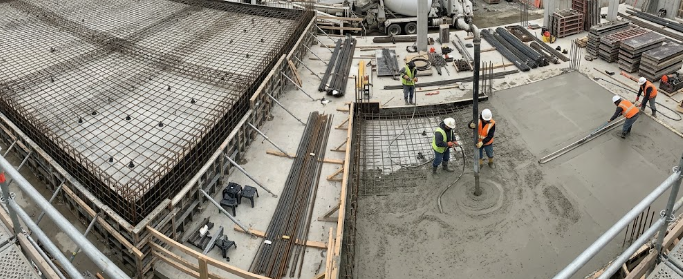
  • Reinforcement: Install a steel rebar mesh throughout the formwork for structural strength and stability.

4. Concrete Pouring and Curing:

  • Concrete Mix: Use a high-quality concrete mix suitable for underground structures and resistant to water pressure.
  • Pouring: Carefully pour the concrete mix into the formwork, ensuring proper compaction and eliminating air pockets.
  • Curing: Allow the concrete to cure undisturbed for several days, following the manufacturer’s recommendations.

5. Installation and Finishing:

  • Pipes and Baffles: Install inlet, outlet, and vent pipes according to the planned layout. Consider baffles in larger tanks to optimize separation and treatment.
  • Access Hatch: Install a watertight access hatch on top for inspection and maintenance.
  • Backfilling: Carefully backfill the excavation with soil, compacting it to prevent settling and ensure proper drainage.

Additional Considerations:

  • Waterproofing: Apply a waterproofing membrane to the exterior of the tank for enhanced protection against moisture and corrosion.
  • Compaction Testing: Consider soil compaction testing to ensure the surrounding earth can adequately support the tank’s weight.
  • Professional Installation: While DIY construction is possible, consulting and potentially hiring experienced professionals for critical steps like pouring and waterproofing is recommended for optimal results and adherence to local regulations.

How Septic Tank can be Constructed with Sandcrete Blocks

Septic tank construction with sandcrete blocks

Constructing a septic tank using sandcrete blocks requires careful planning and execution to ensure its structural integrity and safe operation. While it can be a DIY project, consulting a qualified engineer or licensed contractor is highly recommended due to the critical nature of proper wastewater treatment and potential safety hazards. Here’s a general overview of the process, remembering that local regulations and specific requirements may vary:

1. Planning and Permitting:

  • Size and Location: Determine the tank size based on local regulations and the number of residents. Choose a location at least 50 feet away from wells, buildings, and property lines.
  • Permits: Obtain necessary permits from local authorities before starting construction.

2. Excavation and Preparation:

  • Excavation: Dig a pit exceeding the tank’s dimensions by at least 12 inches on all sides to accommodate block laying and backfilling. Ensure the pit depth meets local regulations.
  • Gravel Bedding: Lay a 4-6 inch layer of crushed gravel or coarse sand over the bottom of the pit to provide drainage and prevent settling.

3. Block Laying and Reinforcement:

  • Foundation Course: Lay a course of solid concrete blocks on the gravel bed, ensuring level and stable alignment.
  • Block Walls: Start building the walls using sandcrete blocks, laying them in a running bond pattern (each block overlaps the one below it) with mortared joints.
  • Reinforcement: Insert vertical steel rebar rods every few courses for added stability, especially in corners and around openings.
  • Compaction and Backfilling: Regularly tamp down the backfill soil around the rising block walls to provide proper support and prevent voids.

4. Installing Internal Components:

  • Inlet and Outlet Pipes: Install sewage inlet and effluent outlet pipes according to the planned layout, ensuring proper slope and tight connections.
  • Baffles (Optional): Consider installing baffles in larger tanks to optimize separation and treatment of wastewater.
  • Access Hatch: Install a watertight access hatch on top for future inspection and maintenance.

5. Sealing and Waterproofing:

  • Internal Coating: Apply a waterproof sealant to the inner walls of the tank to prevent leaks and protect against corrosion.
  • External Waterproofing: Consider applying a waterproofing membrane to the exterior of the tank for enhanced protection against moisture and groundwater.

Safety Considerations:

  • Always prioritize safety when working with excavation and construction.
  • Wear proper safety gear, including gloves, goggles, and sturdy shoes.
  • Be aware of potential hazards like cave-ins and falling debris.
  • Seek professional help for tasks beyond your skill level or comfort zone.
  • Remember, improper septic tank construction can lead to serious health and environmental risks.

Remember, this is a general overview, and specific details may vary depending on your location and regulations. Consulting a qualified professional is crucial to ensure a safe and compliant septic tank system for your property.

Sizes of Septic Tank

The size of a septic tank is typically determined by the number of bedrooms in a household or the expected volume of wastewater generated. The size is commonly measured in terms of the tank’s capacity, which is expressed in either gallons or liters. The specific requirements can vary based on local regulations and building codes. Here’s a general guideline for septic tank sizes in terms of capacity:

  1. Residential Use:
    • For a one to two-bedroom house: A septic tank with a capacity of 750 to 1,000 gallons (approximately 2,839 to 3,785 liters).
    • For a three-bedroom house: A septic tank with a capacity of 1,000 to 1,200 gallons (approximately 3,785 to 4,542 liters).
    • For larger homes, the tank size may need to be increased based on local regulations and the estimated wastewater flow.
  2. Commercial Use:
    • For commercial or industrial applications, the septic tank size will depend on factors such as the number of occupants, the type of business, and the estimated volume of wastewater generated.

It’s important to note that these are general guidelines, and specific requirements may vary based on factors such as local regulations, soil conditions, and the type of septic system being used. Consulting with a local septic system professional or health department is recommended to determine the appropriate septic tank size for a specific situation.

Additionally, the dimensions of septic tanks can vary depending on their shape (rectangular, cylindrical, etc.), and these dimensions can be specified in terms of length, width, and depth. The actual dimensions may vary among manufacturers and regional standards. Always check local building codes and regulations for the most accurate and up-to-date information.

Plastering and Rendering

Plastering and rendering are two construction techniques used to cover and finish block walls, or other types of masonry or concrete surfaces. These processes are commonly used in both interior and exterior construction to provide a smooth, finished appearance and to protect the underlying structure.

Rendering the Block wall of a House
  • Plastering:
    • Interior Plastering: This involves applying a plaster coat to interior walls, creating a smooth and even surface. It is typically done on surfaces like concrete block walls to provide a finished appearance suitable for painting or wallpaper.
    • Types of Plaster: There are different types of plaster, including gypsum plaster and lime plaster. Gypsum plaster is commonly used for interior plastering.
  • Rendering:
    • Exterior Rendering: Rendering is primarily an exterior application and involves the application of a thick layer of a cement-based mix to the external walls. It serves both aesthetic and protective purposes.
    • Types of Render: Common types of rendering include sand and cement render, acrylic render, and polymer render. Each type has its own characteristics and is chosen based on the specific requirements of the project.
    • Benefits: Rendering provides protection against weather, moisture, and improves the appearance of the exterior. It can be textured or colored for various aesthetic effects.

Both plastering and rendering involve a multi-step process that includes the preparation of the surface, application of a base coat, and a finish coat. The steps may vary depending on the specific materials and techniques used. After the application, the surface is typically smoothed and leveled to create the desired finish.

It’s important to note that the specific techniques and materials used in plastering and rendering can vary depending on factors such as the type of wall, climate conditions, and design preferences. Professionals in the construction industry are typically responsible for carrying out these processes to ensure a high-quality and durable finish.

Low Pitch Roofing

Low Pitch Roof Construction

Low-pitch roofing refers to roofs with a shallow slope or pitch, typically less than a 3:12 pitch, where the roof rises less than 3 inches vertically for every 12 inches horizontally. Low-pitch roofs are commonly found in modern architectural designs and on certain types of structures. Here are some key considerations and roofing materials often used for low-pitch roofs:

  • Waterproofing: Low-pitch roofs are more prone to water infiltration because they do not shed water as effectively as steeper roofs. Therefore, it’s crucial to have a robust waterproofing system. This may involve using specialized underlayment and flashing to prevent leaks.
  • Materials: The choice of roofing materials for low-pitch roofs is critical. Some common options include:
    • Built-Up Roofing (BUR): BUR involves layers of asphalt or tar, along with reinforcing materials like fiberglass or felt, and gravel or reflective coating. It provides good protection and durability.
    • Modified Bitumen: Modified bitumen is an asphalt-based material with added modifiers to enhance flexibility and durability. It’s commonly used for low-slope roofs.
    • Single-Ply Membranes: Materials like TPO (thermoplastic olefin) or EPDM (ethylene propylene diene monomer) are used for their flexibility and durability. They can be mechanically fastened, fully adhered, or ballasted.
    • Metal Roofing: Metal roofing systems can be used on low-pitch roofs with proper installation and sealing to prevent water infiltration.
  • Seam and Flashing Integrity: Properly sealed seams and flashing are essential to prevent water from entering the roof system. The quality of installation is crucial, and regular inspections and maintenance are necessary.
  • Drainage: To help water drain efficiently, low-pitch roofs might require additional measures, such as the installation of internal drains or scuppers.
  • Roof Design: Design considerations should include slope, drainage, and load-bearing capacity, especially if the low-pitch roof might be exposed to heavy snow or rain.
  • Regular Maintenance: Low-pitch roofs are more susceptible to water pooling, so regular maintenance is important to remove debris and standing water to prevent damage.

Keep in mind that specific requirements and the best roofing materials for a low-pitch roof may vary depending on factors like climate, building design, and budget. It’s essential to consult with a roofing professional to determine the most suitable materials and construction methods for your low-pitch roofing project.

The Suitability of longspan aluminum roofing sheet for low pitch roofing system

Using aluminum long-span roofing sheets on a low-pitch roofing system is ok, but it requires careful consideration and proper installation to ensure that it remains watertight and performs well over time. Here are some key points to keep in mind when using aluminum long-span roofing sheets on a low-pitch roof:

  • Pitch Requirements: Aluminum long-span roofing sheets are often designed for use on roofs with a steeper pitch. Low-pitch roofs, with a pitch of less than 3:12, can present challenges because they do not allow water to shed as easily. Therefore, it’s important to choose a roofing system specifically designed for low-pitch applications or take extra precautions during installation.
  • Waterproofing and Underlayment: Proper waterproofing and underlayment are essential to prevent leaks on low-pitch roofs. A high-quality, self-adhering underlayment designed for low-pitch roofs is advisable. It should provide an additional layer of protection against water infiltration.
  • Seam Sealing: One of the critical areas for preventing leaks in low-pitch roofs is the sealing of seams between the aluminum roofing sheets. Proper installation techniques and the use of suitable sealants are necessary to ensure these seams remain watertight.
  • Flashing and Edge Details: Flashing around roof penetrations (such as vents and chimneys) and at the roof’s edges is crucial. These areas require special attention to prevent water intrusion. Make sure to follow manufacturer recommendations for flashing and edge details.
  • Maintenance: Regular maintenance is essential for low-pitch roofs with aluminum roofing sheets. Debris and water can pool on low-pitch roofs, potentially causing damage or corrosion over time. Routine inspections and cleaning are necessary to maintain the roof’s integrity.
  • Warranty and Manufacturer’s Guidelines: When using aluminum roofing sheets, be sure to follow the manufacturer’s guidelines and installation instructions. Many manufacturers offer warranties that may be contingent on proper installation and maintenance.

Aluminum roofing sheets can offer benefits such as lightweight construction and durability. However, they should be used with caution on low-pitch roofs due to the inherent challenges of water drainage. The key to success is diligent installation and maintenance, along with selecting the right materials and following best practices to ensure a long-lasting and reliable low-pitch roofing system.

Other Names for Low Pitch Roof

Low-pitch roofing can be referred to by several other names or terms, depending on regional variations and specific contexts. Some alternative terms for low-pitch roofing include:

  • Flat Roofing: While not entirely flat, low-pitch roofs are often considered “flat roofs” in everyday language because of their minimal slope.
  • Low-Slope Roofing: This term emphasizes the shallow angle or pitch of the roof.
  • Nearly Flat Roof: A descriptive term that indicates a roof with a very low slope.
  • Shallow Pitch Roofing: This phrase highlights the fact that the roof has a shallow or slight pitch.
  • Minimally Sloped Roof: Another way to describe the low angle of the roof.
  • Horizontal Roof: Although not completely horizontal, low-pitch roofs have a nearly horizontal appearance due to their shallow slope.

These terms are often used interchangeably to describe roofing systems with pitches that are much lower than traditional, steeper roofs. Keep in mind that the specific terminology used may vary depending on local building codes, architectural conventions, and individual preferences.

Concealed Water Plumbing Installation

Water plumbing pipes fitted inside the walls of a house are typically part of the concealed plumbing system. This system consists of a network of pipes that are installed within the walls, floors, or ceilings of a building to carry water to various fixtures and appliances, such as sinks, toilets, showers, and washing machines. These pipes are hidden from view to create a neater and more aesthetically pleasing interior while also protecting the pipes from damage.

The materials used for these concealed plumbing pipes can include copper, PEX, PVC, or galvanized steel, depending on local building codes and the type of water supply in the area. Proper installation of these pipes is essential to ensure a reliable and leak-free water distribution system within the house. Concealed plumbing is an integral part of a building’s infrastructure and is responsible for delivering clean, potable water to where it is needed and for efficiently draining wastewater away from the house. It is a critical component of modern living and plays a crucial role in maintaining the functionality and convenience of a home.

Thickness of Aluminum Roofing Sheets

Aluminum Roofing

When you shop for Aluminum roofing sheets yon may be asked what thickness do you want?. Generally thicker aluminum roofing sheets costs more because they are much more durable. if your roof span is longer than 10m for instance, you may be required not to buy less than a certain thickness of roofing sheet.

Below are some required factors to consider when choosing a certain thickness of aluminum roofing sheets for your roofing project.

Durability: Thicker sheets are generally more durable and resistant to damage from environmental factors like hail, heavy rain, and wind. They can also resist denting better than thinner sheets.

Load-Bearing Capacity: The thickness affects the roofing sheet’s ability to bear weight, such as in heavy snowfall areas. Thicker sheets can handle greater snow loads without deformation.

Longevity: Thicker sheets tend to have a longer lifespan as they are less susceptible to corrosion and wear over time.Insulation: Thicker sheets may offer better insulation properties, helping to regulate temperature within the building.When it’s important:

Climate: In areas with extreme weather conditions, like frequent storms or heavy snow, thicker roofing sheets are crucial for durability and safety.

Building Use: The thickness depends on the intended use of the building. Commercial or industrial structures may require thicker sheets to handle equipment loads.

Budget: Thicker sheets are usually more expensive. Balancing your budget with your roofing needs is essential.Aesthetics: Thicker sheets can have a different appearance, which might be important for architectural or aesthetic reasons.I

The thickness of aluminum roofing sheets is vital for ensuring structural integrity, longevity, and performance, and it should be chosen based on the specific requirements of your location and building type.

Common Thickness of Aluminium Roofing Sheets

The common thickness of aluminum roofing sheets suitable for roofing buildings typically ranges from 0.5mm to 1.2mm. Here’s a rough guideline for common applications:

0.5mm to 0.7mm: These thinner sheets are often used for residential roofing in areas with mild weather conditions. They are cost-effective and suitable for most homes.

0.8mm to 1.0mm: These mid-range thicknesses offer better durability and can handle moderate weather conditions. They are commonly used for both residential and commercial roofing.

1.0mm to 1.2mm: Thicker sheets in this range are suitable for commercial and industrial buildings or in areas prone to extreme weather, such as heavy snowfall or hail.

The choice of thickness should consider factors like local climate, budget, and the specific requirements of the building. It’s also essential to consult with roofing professionals to determine the most appropriate thickness for your roofing project.

Is 0.4mm or 0.45mm aluminum roofing sheet good for roofing?

A 0.45mm or 0.4mm thick aluminum roofing sheet can be suitable for roofing depending on specific factors such as:

Climate: In regions with mild weather conditions and minimal exposure to extreme elements like heavy rain, snow, or hail, thinner sheets may suffice.

Building Type: For residential structures with standard roofing needs, thinner sheets can work well. However, for commercial or industrial buildings with larger roof spans, thicker sheets may be preferable for added durability.

Budget: Thinner sheets are often more cost-effective, making them an attractive choice if you’re working with a limited budget.

Maintenance: Thicker sheets typically require less maintenance over time, so consider how much upkeep you’re willing to invest in.
Local Codes and Regulations: Check if there are any local building codes or regulations that specify minimum thickness requirements for roofing materials .It’s essential to assess your specific roofing requirements and the climate in your area to determine if 0.45mm or 0.4mm thick aluminum roofing sheets are adequate. Consulting with a roofing professional or manufacturer can also provide valuable guidance based on your individual circumstances.

Long Span Aluminum Roofing Sheets

Aluminum Roofing

Long Span Aluminum roofing sheets are a popular roofing material known for their durability, lightweight nature, and versatility. 

Notable Properties of Long-Span Aluminum Roofing Sheets

Material: They are primarily made of aluminum, which is a lightweight and corrosion-resistant metal.Design: Long-span roofing sheets are typically designed for wide coverage, reducing the number of seams and joints on a roof. This design enhances their structural integrity and makes them suitable for spanning long distances without additional support.

Durability: Aluminum is highly resistant to corrosion and rust, making these roofing sheets ideal for areas with high humidity or proximity to the sea. They have a long lifespan and require minimal maintenance.

Lightweight: Aluminum is one of the lightest roofing materials available, making installation easier and reducing the structural load on the building.

Variety: They come in various profiles and designs, allowing homeowners and builders to choose from a range of aesthetic options.

Color Options: Aluminum long-span roofing sheets are often available in a variety of colors and finishes, allowing for customization to match the overall design and style of the building.

Energy Efficiency: They can reflect sunlight, helping to reduce indoor temperatures and improve energy efficiency in hot climates.Cost: While aluminum roofing sheets can be more expensive upfront compared to some other roofing materials, their durability and long lifespan often make them cost-effective in the long run.

Installation: Proper installation is essential to ensure they perform as intended. They should be installed by experienced professionals to avoid issues like leaks or damage.

Maintenance: Aluminum roofing requires minimal maintenance. Occasional cleaning and inspection for loose fasteners or damaged sections are typically all that’s needed.

Environmental Benefits: Aluminum is a recyclable material, so these roofing sheets can be recycled at the end of their lifespan, contributing to sustainability efforts.Weather 

Resistance: They are known for their ability to withstand harsh weather conditions, including heavy rain, wind, and even hail.

Noise Reduction: Aluminum roofing sheets can help reduce noise from rain and other external sources.Fire Resistance: Aluminum is non-combustible, adding an extra layer of fire protection to your home or building.