Many homeowners and builders often ask why concrete slabs crack after a few weeks of pouring. Consequently, seeing these cracks can cause panic on any site. However, not all cracks mean your building will collapse. Concrete is a strong material, but it has specific behaviors during the curing process. In this article, we will explore the main reasons behind this issue and provide simple ways to prevent it.
Understanding the Types and Why Concrete Slabs Crack
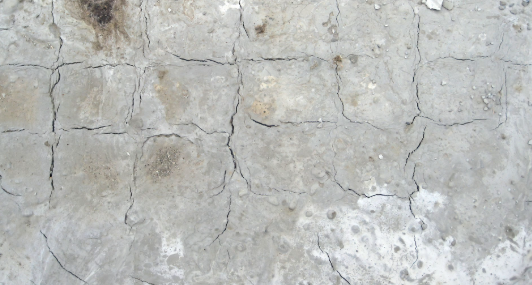
Firstly, you need to understand the different types of cracks that appear on sites. Plastic shrinkage cracks appear on the surface while the concrete dries. When water leaves the mix too fast, the concrete shrinks and tears. This creates a network of shallow lines across the floor.
Settlement cracks happen when the ground beneath the slab sinks or moves. If the soil lacks proper compaction before pouring, the heavy concrete forces the ground to give way. Furthermore, structural cracks occur due to heavy overload or poor design choices. For instance, placing heavy machinery on a slab designed only for light foot traffic will surely cause structural cracks over time.
Root Causes: Why Concrete Slabs Crack Frequently
Moreover, several root causes explain why concrete slabs crack frequently during projects. The most common culprit is excess water in the concrete mix. Builders sometimes add extra water to make the concrete flow easily and finish faster. Unfortunately, this excess water evaporates and leaves large empty spaces inside the slab, making it incredibly weak.
Additionally, high ambient temperatures cause rapid evaporation. If you pour concrete on a very hot afternoon in Ibadan, the harsh sun will dry the top surface too quickly. Insufficient concrete cover over the steel bars also leads to severe problems. If the steel reinforcement sits too close to the surface, it rusts, expands, and pushes the concrete apart. Finally, inadequate reinforcement detailing fails to hold the concrete together when tension builds up inside the structure.
Proven Strategies to Prevent Concrete Cracks
Therefore, you must use actionable solutions to stop these problems on your site. First, maintain a strict water-cement ratio. Think of it like baking a cake; too much liquid ruins the final product. Always use the exact amount of water the structural mix design requires, and never let workers add extra water on site.
Secondly, start curing immediately and sustain it to manage temperature changes effectively. You can cover the slab with wet burlap, pond the surface with water, or spray curing compounds to trap the moisture inside. This step slows down the drying process and builds lasting strength. Finally, ensure your workers position spacer blocks correctly before pouring the concrete. These blocks keep the reinforcement steel at the right depth, ensuring sufficient concrete cover and preventing future rust.
Conclusion
In conclusion, knowing why concrete slabs crack helps you take the right steps during construction. By controlling your water mix, curing the concrete properly, and placing steel correctly, you will achieve strong and durable slabs every time. To expand your knowledge on best practices for concrete placement and curing, check out this comprehensive guide on the Portland Cement Association website.
References
- Portland Cement Association. (2020). Control of Cracking in Concrete.
- American Concrete Institute (ACI). Guide to Concrete Repair and Crack Prevention.