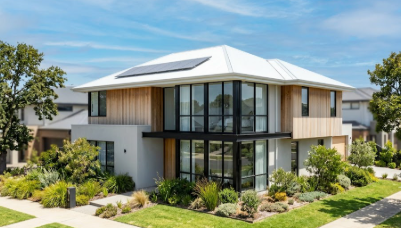
As of this week, several major cities have officially updated their building codes to mandate the use of High-Albedo Cool Roofs. This regulatory shift marks a turning point in how we design our urban environments. For years, dark shingles dominated our skylines, but these surfaces trap immense amounts of heat. Consequently, engineers and policymakers are now prioritizing reflective technology to combat the “Urban Heat Island” effect. This article explores why this structural engineering shift is becoming the new standard for modern construction.
Understanding the Solar Reflectance Index (SRI)
To understand High-Albedo Cool Roofs, we must first look at the Albedo Spec, specifically the Solar Reflectance Index (SRI). The SRI measures a surface’s ability to reject solar heat. For example, a standard dark roof absorbs most sunlight and has an SRI close to 0. In contrast, new 2026 building codes require a “Cool Roof” to maintain an SRI of at least 78. This high rating ensures that the building reflects the majority of solar radiation back into the atmosphere rather than absorbing it into the structure.
Improving Thermal Performance and Energy Specs
The thermal performance of these materials is truly impressive. On a typical 35°C afternoon, a traditional dark roof can easily reach a scorching 65°C. However, High-Albedo Cool Roofs stay significantly cooler, often remaining under 45°C under the same conditions. Because the roof stays cooler, less heat transfers into the living spaces below. This temperature difference reduces air conditioning energy “specs” by up to 15%. Consequently, homeowners enjoy lower utility bills while the local power grid experiences less strain during peak summer months.
Modern Materials Beyond White Paint
Many people assume that a cool roof must be a bucket of white paint, but 2026 trends show great material diversity. For instance, manufacturers now produce “Cool Asphalt” shingles that look like traditional roofing but contain specialized reflective granules. Additionally, modern homes with flat roofs often utilize single-ply PVC membranes. These membranes provide excellent waterproofing while meeting the strict requirements for High-Albedo Cool Roofs. These innovations allow developers to maintain aesthetic variety while still following the new environmental laws.
Boosting Longevity Through Heat Reduction
Beyond energy savings, High-Albedo Cool Roofs offer a significant advantage in terms of durability. High heat causes roofing materials to expand and contract aggressively throughout the day. This constant movement leads to cracks, leaks, and general degradation over time. Because cool roofs absorb less heat, they undergo less thermal stress. Engineers estimate that this switch effectively increases the roof’s lifespan by approximately 25%. This longevity makes the technology a major selling point for developers looking to provide long-term value to their clients.
A Structural Shift for the Future
The move toward reflective roofing is not merely a design trend; it is a necessary evolution in civil engineering. By implementing High-Albedo Cool Roofs, we are creating buildings that work with the environment rather than against it. As more cities adopt these 2026 housing codes, we can expect cooler neighborhoods and more sustainable cities. If you are planning a renovation or a new build, choosing a high-albedo surface is the smartest way to protect your investment. You can find more technical data on sustainable building materials at the Whole Building Design Guide.
References
- Global Cool Cities Alliance (2025). The Impact of Reflective Surfaces on Urban Heat.
- International Code Council (2026). Updated Residential Building Standards: Section 402.3.
Lawrence Berkeley National Laboratory (2024). Solar Reflectance Index and Energy Efficiency in Modern Housing.