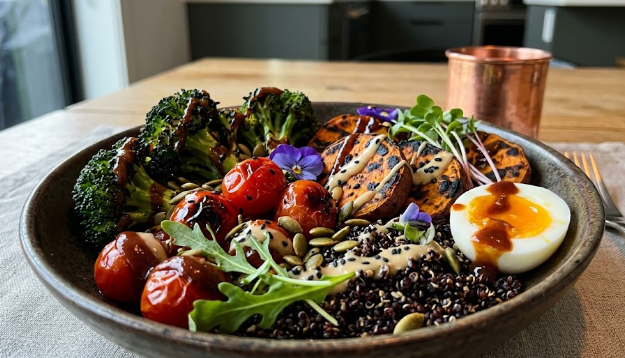
The culinary world is witnessing a massive shift toward Functional Flavor in 2026. For years, people focused on “fake meat” to replace animal proteins. However, diners now want something more natural and exciting. Today, we see a rise in “vegetable-forward” dishes that celebrate real ingredients. These plates do not try to hide the vegetables. Instead, they use advanced cooking techniques to make plants taste as savory and satisfying as any steak.
The Move Toward Vegetable-Forward Dishes
The food industry is moving away from processed meat alternatives. Consumers now prefer whole foods like mushrooms, carrots, and eggplants. These ingredients offer better health benefits and a cleaner label. Chefs use high-heat grilling to bring out deep, rich flavors in these plants. This technique turns a simple vegetable into a main course that feels truly indulgent. By focusing on the plant itself, we achieve a more sustainable and delicious dining experience.
Furthermore, these dishes are visually stunning. A plate in 2026 is often a “rainbow” of colors. We see deep purple beets, bright orange sweet potatoes, and emerald-green kale. These colors do more than just look good on camera. They signal a high density of nutrients and antioxidants. Consequently, “eating with your eyes” has become a core part of the healthy eating movement this year.
Mastering Functional Flavor with the Maillard Reaction
To understand why these dishes taste so good, we must look at the science of the Maillard reaction. In the world of cooking, this reaction is the ultimate “spec” for flavor. It happens when you apply high heat to food, causing a chemical reaction between amino acids and reducing sugars. This process creates the brown, crispy crust on a seared mushroom or a grilled cabbage wedge. It is the secret behind that savory, “meaty” smell that makes your mouth water.
Additionally, this reaction produces hundreds of different flavor compounds. These compounds provide the complex, “roast-dark” notes that characterize 2026 food trends. Because this process happens at high temperatures, usually between 140°C and 165°C, it creates a texture that is both crunchy and tender. This balance makes healthy food feel like a treat. When you master this reaction, you unlock the full potential of Functional Flavor.
Why Umami and Color Matter
Umami is the fifth basic taste, often described as “savory” or “meaty.” In 2026, chefs use umami-heavy ingredients like miso, seaweed, and fermented pastes to boost the taste of vegetables. These ingredients help to mask any bitter notes in greens without adding extra sugar. As a result, you get a dish that satisfies your cravings while supporting your gut health. This is the heart of why we call it Functional Flavor.
In conclusion, the food trends of 2026 prove that we do not need processed substitutes to enjoy a rich meal. By using high heat and umami-rich seasonings, we can make vegetables the star of the show. This approach treats flavor as a gateway to better health. If you want to learn more about the science of savory tastes, you can read this detailed guide on the science of umami and taste perception.
References
- KTCHNrebel (2026). “The most important 2026 food trends: Healthy, colorful, flexible, sustainable.”
- Institute of Food Technologists (2026). “Outlook 2026: Flavor Trends.”
- Synergy Flavors (2026). “5 Trends to Watch 2026: Savory.”
- Culinary Arts Academy (2025). “What Is the Maillard Reaction? The Science of Flavor.