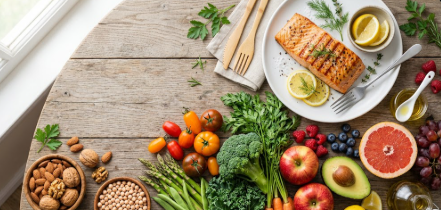
The American Heart Association (AHA) recently released its groundbreaking 2026 Scientific Statement. This new report completely changes how we look at heart health. Instead of just counting calories, doctors now focus on overall dietary patterns. Consequently, this shift aims to combat the rising numbers of cardiovascular-kidney metabolic syndrome. If you want to live a longer, healthier life, you need to understand these new rules for cardiovascular longevity.
Why Pattern-Based Nutrition Matters for Cardiovascular Longevity
For many years, people believed that losing weight was simply about burning more calories than you consume. However, the AHA now states that the quality of your food matters much more than the numbers on a nutrition label. Therefore, the 2026 guidelines encourage a permanent lifestyle change rather than a quick-fix diet.
This new approach specifically targets metabolic inflammation, which damages your blood vessels over time. By changing your daily eating habits, you can protect your organs and extend your lifespan. Let us look at the specific food standards that define this new era of cardiovascular longevity.
The Whole-Form Fiber Specification
First, the 2026 guidelines highlight the importance of “whole-form” fiber. This means you must choose whole or minimally processed vegetables and fruits instead of juices. For example, eating a whole orange is much better for your body than drinking a glass of orange juice.
The reason for this choice comes down to the structural matrix of the food. When you eat a whole fruit, your body digests the natural fiber slowly. Consequently, this slow digestion effectively manages your blood lipids and prevents type 2 diabetes. On the other hand, juicing strips away this essential fiber matrix, which causes your blood sugar to spike quickly. Therefore, you must keep the fiber intact to get the full health benefits.
Shifting Your Protein Choices
Second, the new standard requires a major shift in how we get our daily protein. The AHA now suggests a plant-based dominance in your meals. As a result, you should look to legumes, beans, and nuts as your primary protein sources.
Furthermore, you do not have to give up meat entirely, but you must choose wisely. The 2026 guidelines recommend fish and seafood as your secondary animal protein source. Meanwhile, you should adopt a strict “limit and lean” approach to red meat. By reducing red meat and increasing plant proteins, you actively lower your cholesterol and improve your cardiovascular longevity.
Liquid Sugars and Cardiovascular Longevity
Third, the statement sets a strict threshold for added sugars, specifically targeting liquid sugars. Sugar-sweetened beverages like sodas, sports drinks, and sweetened teas are major enemies of heart health. In fact, the AHA links these drinks directly to metabolic inflammation.
Because of this danger, the 2026 report suggests a near-zero tolerance policy for liquid sugars. Instead of reaching for a sugary drink, you should choose water, sparkling water, or unsweetened herbal teas. Eliminating these hidden sugars is one of the fastest ways to protect your metabolism and ensure long-term cardiovascular longevity.
Customizing Your Diet for the Long Term
Finally, the 2026 trend introduces a highly compassionate approach called “Precision Counseling.” Health experts recognize that a single diet plan does not work for everyone. Therefore, doctors must now adapt these medical specifications to fit diverse ethnic and religious dietary practices.
This personalization ensures that you can follow the heart-healthy guidelines without abandoning your cultural heritage. For instance, whether you eat a traditional Asian, Mediterranean, or African diet, you can easily apply these principles. Ultimately, this approach promotes long-term adherence to healthy habits rather than short-term fad dieting.
In conclusion, the American Heart Association’s 2026 statement reminds us that food is medicine. By focusing on whole-form fiber, plant proteins, and eliminating liquid sugars, we can dramatically improve our health. Furthermore, personalized nutrition makes it easier than ever to maintain these habits for life. To protect your heart today, take immediate action and design your meals around cardiovascular longevity. For deeper insights into managing your heart metrics and blood pressure, you can read more on the Harvard Health Publishing website.
References
- American Heart Association. (2026). Scientific Statement on Cardiovascular Longevity and Dietary Guidance. Circulation Journal.
- National Institutes of Health. (2026). Understanding Cardiovascular-Kidney-Metabolic (CKM) Syndrome. CKM Health Reports.