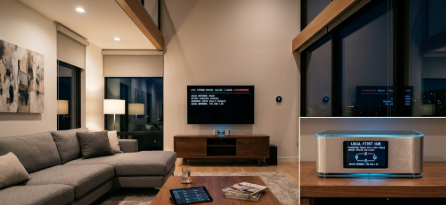
The year 2026 has changed how we think about our living spaces. After several massive cloud outages and rising monthly costs earlier this year, many homeowners are making a big switch. They are moving away from “cloud-dependent” devices that stop working when the internet goes down. Instead, everyone is talking about Local-First Smart Homes. This trend, known as “The Local Revolution,” focuses on keeping your data inside your four walls.
In the past, your smart light bulb had to talk to a server thousands of miles away just to turn on. Now, Local-First Smart Homes handle everything right in your living room. This shift offers better security, faster speeds, and more reliability. If you want to own your tech rather than rent it, this is the privacy flex you have been waiting for.
Fast Processing with Edge Technology
One major reason for this shift is the new “Edge” processor. In 2026, smart hubs like the Aqara Camera Hub G350 or the Home Assistant Green have incredible power. These devices do not send your voice or face data to the internet. Instead, they process the information locally on the hardware.
Because the data does not travel to a far-away server, the response time is near-instant. Most Local-First Smart Homes now react in under 50 milliseconds. For example, when you walk into a room, the lights turn on before you can even blink. This speed makes your home feel much more natural and responsive. You no longer have to wait for a “cloud handshake” just to adjust your thermostat.
Reliability via Matter 1.5 and Thread
Connectivity has also seen a massive upgrade with Matter 1.5 and Thread technology. Thread is a low-power mesh network that connects your devices directly to each other. Unlike older systems, it does not rely on your home Wi-Fi or a central router to function. Consequently, your Local-First Smart Homes setup stays fully operational even if your internet provider has an outage.
Imagine a storm knocks out your fiber connection in the middle of the night. In a traditional smart home, your smart locks and alarms might fail. However, a local-first system keeps your locks, lights, and sensors working perfectly. Because the devices talk to a local Matter controller, the lack of internet does not bother them. This reliability provides peace of mind that older systems simply could not offer.
Advanced Privacy as a Hardware Spec
Privacy is no longer just a software setting; it is now built into the hardware. New cameras in 2026 feature “Local Privacy Masks.” These cameras use on-device AI to recognize sensitive areas like a child’s bed or a computer screen. The AI “redacts” or hides these areas before any human or app can view the video feed.
Furthermore, many manufacturers now include physical shutters that slide over the lens when you are home. Since Local-First Smart Homes do not upload video to the cloud, hackers have no central server to attack. You keep your private moments private because the data never leaves your house. This hardware-level security makes these systems the ultimate choice for the privacy-conscious user.
Saving Money on Subscription Fees
Switching to a local setup is also a smart financial move. Many cloud-based brands charge high monthly fees just to save your video history or use advanced features. By choosing Local-First Smart Homes, users are saving an average of $120 every year. You buy the hardware once, and you own the features forever.
In a world where every app wants a monthly subscription, “The Local Revolution” feels like a breath of fresh air. You get professional-grade automation without the “subscription tax.” This cost efficiency is a major selling point for anyone looking to balance a tech-heavy lifestyle with a strict budget. If you want to learn more about the technical standards behind these devices, you can read more about Matter technology here.
References
- Connectivity Standards Alliance (2026). Matter 1.5 Specification Overview.
- Home Assistant (2026). The State of the Local Home Report.
- Smart Home Digest (2026). Why Edge Computing is Replacing the Cloud.
- Consumer Tech Reports (2026). Annual Subscription Cost Analysis for IoT.