Gas Station Speeds: The Donut Lab Solid-State Battery Just Hit Mass Production

The automotive world is buzzing this week over the world-first mass-produced Donut Lab solid-state battery. Unveiled at CES 2026 and officially shipping this May, this technology marks a historic shift in how we power vehicles. Unlike the liquid-filled batteries in your current phone or car, this solid-state system is ready for large-scale use. It starts with high-performance motorcycles from Verge Motorcycles before moving into passenger cars later this year.

The 5-Minute Full Charge Milestone

The most exciting feature of the Donut Lab solid-state battery is its incredible charging speed. It can accept a full charge in roughly five minutes, which effectively matches the time you spend at a gas pump. This “killer spec” removes the biggest hurdle for electric vehicle (EV) adoption: long wait times. Drivers no longer need to plan their day around a 45-minute charging stop during long road trips.

While current EVs require careful planning, this new battery behaves like a traditional fuel tank. You pull up, plug in, and by the time you buy a coffee, your vehicle is ready to go. This rapid energy transfer is possible because solid materials handle heat much better than liquid electrolytes. Consequently, the battery does not catch fire or degrade when hit with massive amounts of electricity.

Double the Energy Density for Longer Trips

Manufacturers can now offer over 600 miles of range without making cars heavier or larger. This is because the Donut Lab solid-state battery offers roughly double the energy density of current lithium-ion packs. In simple terms, you can fit twice as much “fuel” into the same amount of space. For a civil engineer or a site manager, this means driving to remote project locations without worrying about the next charge.

Heavy battery packs have always been a downside for EVs, as they affect braking and tire wear. By doubling the energy density, Donut Lab allows car makers to reduce the physical size of the battery. This change results in lighter vehicles that are more efficient and cheaper to maintain over time.

Reliable Performance in Extreme Weather

Solid-state batteries solve the “winter range loss” problem that has frustrated many early EV owners. Standard batteries often struggle in severe cold, but the Donut Lab solid-state battery performs consistently down to -30°C. It also handles extreme heat above 100°C without losing its ability to hold a charge. This thermal stability ensures that your car starts and runs perfectly, whether you are in a desert or a snowstorm.

The Need for Megawatt Infrastructure

To achieve these 5-minute speeds, the world needs a new type of charging station. The Donut Lab solid-state battery requires a 1,500kW Megawatt Charging network to reach its full potential. Currently, companies like BYD are rolling out these high-power stations to support the new technology. Without this “Megawatt” infrastructure, the battery will still charge faster than old models, but it won’t hit the 5-minute record.

References

  • Donut Lab Official. (2026). CES 2026: The Future of All-Solid-State Batteries.
  • Verge Motorcycles. (2026). Shipping Schedules for Solid-State Powered Superbikes.
  • BYD Global. (2026). The Expansion of the 1.5MW Megawatt Flash Charging Network.

For more technical details on battery chemistry and energy storage, you can visit IEEE Spectrum.

The NPU Revolution: Why 40+ TOPS is the Only Spec That Matters for 2026 AI Laptops

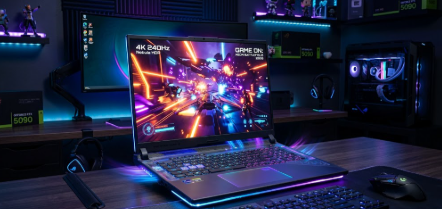
A high-end 2026 laptop showcasing a powerful NPU chip with 40+ TOPS performance.

The laptop market in May 2026 has reached a major turning point. We no longer just talk about how fast a processor is or how many gigabytes of RAM a computer has. Today, the industry divides devices into “Legacy PCs” and “Copilot+ PCs.” If you want a modern machine, you must look for a specific number: 40+ TOPS. This figure represents the power of the Neural Processing Unit (NPU), and it has become the most important spec for anyone buying a laptop this year.

Understanding the 40 TOPS Benchmark

In simple terms, TOPS stands for “Trillion Operations Per Second.” It measures how many calculations an AI chip can handle in a single second. For a laptop to earn the “Next Gen AI PC” badge in 2026, its NPU must hit a minimum of 40+ TOPS. This power allows the computer to think like a human brain when processing specific tasks.

Without this level of performance, your laptop cannot run advanced AI features locally. For example, the “Recall” feature allows you to search your digital memory to find anything you have ever seen on your screen. Similarly, the “Cocreator” tool lets you generate high-quality images in real-time while you sketch. Because the 40+ TOPS NPU handles these tasks, your laptop does not need to send your private data to the cloud.

Diversity in AI Processors

While Qualcomm started this trend with the Snapdragon X Elite, other big players have caught up quickly. In 2026, you will see the Intel Core Ultra 200V (also known as Lunar Lake) and the AMD Ryzen AI 300 series everywhere. These manufacturers have shifted their focus from raw speed to AI efficiency.

These new chips offer more than just smart features; they provide incredible battery life. Many of these 2026 laptops can play video for over 22 hours on a single charge. This efficiency happens because the NPU takes over heavy AI tasks that used to drain the battery. When you choose a chip with 40+ TOPS, you are choosing a machine that stays cool and lasts all day.

New Minimum Standards for 2026

The rise of the AI PC has forced the entire industry to raise its hardware standards. You can no longer get by with 8GB of RAM if you want to use modern software. A standard productivity laptop in 2026 now requires at least 16GB of high-speed RAM (8400 MHz LPDDR5x). This fast memory ensures that the AI models can load instantly.

Furthermore, you need a fast SSD, with 256GB being the absolute minimum for entry-level models. These components work alongside the 40+ TOPS NPU to make the user experience smooth. If one part of this system is weak, the whole AI experience slows down. Therefore, checking these specs is vital before you spend your money on a new device.

The Shift to OLED Displays

In addition to internal power, the visual experience of laptops has improved significantly. Mid-to-high-end laptops in 2026 have moved away from older IPS panels. Instead, 3K OLED touchscreens have become the standard for professionals. These screens offer deep blacks and vibrant colors that make creative work look stunning.

These displays also feature variable refresh rates ranging from 48Hz to 120Hz. This technology saves battery life by slowing down the screen when you read a document and speeding it up when you watch a video. When paired with a powerful 40+ TOPS processor, these screens provide a premium feel that older laptops simply cannot match.

Why You Should Not Buy Legacy PCs

Buying a laptop without a strong NPU today is like buying a car without an engine. “Legacy PCs” might be cheaper, but they will struggle to run the software of the future. Most new apps now include AI tools that require at least 40+ TOPS to function properly. If you buy an older model, you will miss out on the most helpful productivity shortcuts.

In conclusion, 2026 is the year of the AI-integrated workspace. Whether you are a student, a civil engineer, or a digital creator, your hardware must keep up with the software. Always verify that your next purchase meets the 40+ TOPS requirement to ensure your investment lasts for years to come. For more details on how these chips work, you can read more about NPU technology here.

References

  • Microsoft. (2026). What is a Copilot+ PC?
  • Intel Newsroom. (2025). Intel Core Ultra 200V Series: A New Era of Efficiency.
  • Qualcomm Technologies. (2024). Snapdragon X Elite: The Next Generation of Computing.

The Verge. (2026). The Shift from CPUs to NPUs in Modern Laptops.

Why the 50MP “Oversized Selfie Lens” is the Trend of 2026

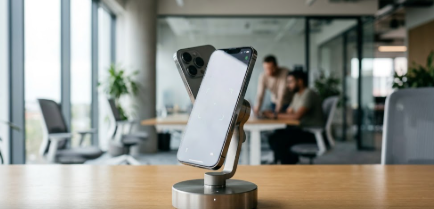
A modern 2026 smartphone displaying the powerful 50MP "Oversized Selfie Lens" used for professional vlogging.

For over a decade, smartphone brands fought a fierce war over rear cameras. They competed to see who could offer the most megapixels or the longest zoom. However, by May 2026, the market has shifted its focus entirely. The 50MP “Oversized Selfie Lens” is now the most important feature for the modern buyer. This change reflects the booming “Creator Economy,” where users care more about how they look on screen than how far they can zoom into a building.

The launch of the OPPO F33 Pro highlights this massive trend. Instead of a tiny “hole-punch” dot, the phone features a professional-grade sensor on the front. This hardware allows for 4K video recording at 60 frames per second. Consequently, creators no longer need to turn their phones around to use the rear camera for high-quality vlogs. They can see themselves clearly while filming with professional clarity.

Why the 50MP “Oversized Selfie Lens” Changes Everything

Traditionally, front cameras used small 8MP or 12MP sensors. These tiny sensors often produced “noisy” or grainy images in low light. In contrast, the 50MP “Oversized Selfie Lens” uses a large-format sensor. This larger size captures significantly more light. Because it captures more data, the phone can create a “natural bokeh” effect. This means the background blurs softly while your face stays sharp, mimicking an expensive mirrorless camera.

Furthermore, this high resolution allows for “digital cropping” without losing quality. If you want a tighter shot of your face during a live stream, the software can zoom in easily. The image remains crisp because the sensor has so many pixels to work with. Therefore, the 50MP “Oversized Selfie Lens” provides a level of versatility that previous front cameras simply could not match.

Keeping Cool with Micro-Pump Liquid Cooling

Recording high-resolution 4K video generates a massive amount of heat. Since the 50MP “Oversized Selfie Lens” sits near the processor and the screen, thermal management is a challenge. To solve this, the Infinix GT 50 Pro has introduced a brilliant hardware solution. It uses an internal micro-pump liquid cooling loop. This system specifically targets the top half of the device to move heat away from the camera and the chipset.

This cooling technology ensures that the phone does not throttle or slow down during a long recording session. For example, if you are live-streaming a tutorial for an hour, the micro-pumps keep the temperature stable. Without this cooling, the high-res sensor would likely overheat and shut down the app. Consequently, manufacturers are prioritizing thermal engineering just as much as lens quality in 2026.

AI Beauty 3.0: From Filters to Studio Lighting

In the past, “beauty modes” simply smoothed out skin and made faces look like plastic. However, the 2026 version of AI Beauty 3.0 focuses on physics rather than just filters. When you use the 50MP “Oversized Selfie Lens,” the AI maps your face in 3D. It then applies “virtual 3-point studio lighting” in real-time. This means the software adds highlights and shadows to your face as if you were standing in a professional studio.

Specifically, the AI identifies where the light should hit your forehead, cheeks, and chin. It corrects harsh shadows caused by overhead room lights. In addition, it can change the “color temperature” of your skin to make you look healthy even if you are in a dark room. This technology makes every video call and vlog look like a high-budget production without requiring extra equipment.

Smooth Footage with Front-Facing OIS

One of the biggest upgrades this year is the inclusion of Optical Image Stabilization (OIS) on front cameras. In previous years, OIS was a luxury found only on rear lenses. Now, mid-range and flagship phones include it for the 50MP “Oversized Selfie Lens.” OIS uses tiny motors to physically move the lens to compensate for hand shakes.

This hardware feature is essential for vlogging while walking. Instead of shaky, dizzying footage, the OIS keeps the frame steady and smooth. For instance, a travel vlogger walking through a busy market can now record stable video using just their hand. When you combine OIS with the high pixel count, the result is cinema-quality footage from a device that fits in your pocket.

The era of ignoring the front camera has finally ended. Manufacturers now realize that for most users, the “selfie” side is the primary camera. By focusing on the 50MP “Oversized Selfie Lens,” brands like OPPO and Infinix are giving creators exactly what they need to succeed. To learn more about the latest mobile hardware trends, you can read this detailed analysis on smartphone sensor evolution.

References

Mobile Imaging Journal: The Impact of OIS on Front-Facing Video Quality (2026 Edition).

Global Tech Trends Report 2026: The Rise of the Front-Facing Sensor.

Infinix Mobile: Engineering the GT 50 Pro Thermal Systems.

OPPO Newsroom: Revolutionizing the F-Series with 50MP Optics.

The GLP-1 Cookbook Era: Why Muscle-preserving Recipes are Dominating 2026 Diets

A colorful, high-protein meal bowl containing lean chicken, quinoa, and greens, representing muscle-preserving recipes for GLP-1 medication users.

In 2026, weight loss has changed completely because of medications like Wegovy and Ozempic. Since these drugs significantly reduce hunger, many people now use muscle-preserving recipes to stay healthy while losing fat. This new way of cooking helps people eat less without losing their physical strength. Therefore, the “GLP-1 Kitchen” has become the biggest food trend of the year.

Why We Need Muscle-preserving Recipes Today

When you take GLP-1 medications, you often feel full very quickly. However, eating too little can cause your body to burn muscle instead of just fat. Consequently, the medical community now emphasizes muscle-preserving recipes to protect skeletal health. These recipes focus on quality rather than quantity.

Furthermore, people are no longer looking for “low-calorie” snacks that offer no nutrition. Instead, they want meals that provide the building blocks their bodies need. This shift in focus ensures that weight loss results in a toned, healthy body rather than a weak one.

The Rise of Nutrient Density over Volume

In the past, many dieters ate large salads to feel full. Today, the “spec” for a healthy meal has changed to nutrient density. Because a GLP-1 user might only eat a few bites, those bites must count. Most muscle-preserving recipes now aim to pack 30 grams of protein and 15 grams of fiber into small, 300-calorie portions.

For example, a chef might create a dense protein bite instead of a giant bowl of pasta. This approach allows the user to meet their daily nutritional goals even with a suppressed appetite. As a result, every ingredient in the kitchen must serve a specific purpose for the body.

Adding Creatine to Muscle-preserving Recipes

A surprising trend in 2026 is the use of Creatine Monohydrate by everyday people. In the past, only bodybuilders used this supplement. Now, many people add it to their muscle-preserving recipes, such as morning yogurt or oats. They do this because creatine helps maintain muscle mass during a caloric deficit.

Additionally, this “add-in” is easy to use because it is tasteless. By stirring a scoop into a daily meal, a person on GLP-1 medication can protect their strength. This simple habit has become a staple in modern healthy kitchens across the country.

Why Lean Animal Protein is Making a Comeback

Although plant-based diets were very popular a few years ago, 2026 shows a pivot back to animal protein. Many experts recommend lean beef and poultry for muscle-preserving recipes because of “bioavailability.” This means the body can absorb and use the protein from meat more efficiently than from many plants.

Consumers also report that animal proteins provide better satiety, which means they feel satisfied longer. For instance, a small piece of grilled chicken breast provides the high protein target needed to maintain muscle. Therefore, lean meats have reclaimed their spot at the center of the dinner plate.

Hydration Stacks and Metabolic Health

Managing a GLP-1 diet also requires a focus on hydration. Many users experience dehydration or metabolic shifts while on these medications. To combat this, “Hydration Stacks” have become very popular. People stir electrolyte and fiber powders into their water throughout the day.

These drinks help the body stay balanced while the medication works. Moreover, the added fiber supports digestion, which can sometimes slow down on these drugs. By combining proper hydration with muscle-preserving recipes, users can avoid common side effects and feel more energetic.

If you want to learn more about how nutrition affects your body, you can read more about balanced diets and muscle health here.

References

  • Journal of Metabolic Health (2025): “The Impact of GLP-1 Analogues on Skeletal Muscle Mass.”
  • Modern Nutrition Review (2026): “Nutrient Density vs. Volumetrics in the GLP-1 Era.”
  • Global Food Trends Report (2026): “The Return of Bioavailable Proteins.”

Community Solar for Renters: How Virtual Net Metering Works

A digital illustration showing how community solar for renters transfers energy credits from a solar farm to an urban apartment building.

For a long time, people who lived in apartments felt left out of the green energy movement. If you do not own a roof, you cannot install solar panels. However, recent changes in 2026 have made community solar for renters a reality for millions of people. This system allows you to benefit from the sun even if you live in a high-rise building or a small studio. Recent updates from the U.S. Department of Energy now make it easier than ever to sign up for these programs.

What is Community Solar for Renters?

Community solar is a large array of solar panels located at an off-site facility, often called a solar farm. Instead of putting panels on your own roof, you “subscribe” to a share of this large farm. Consequently, you receive a portion of the electricity that those panels produce. This setup is perfect for the 40% of people who rent or live in condos. You simply sign up for a plan, and the clean energy produced elsewhere helps power your life.

The Power of Virtual Net Metering

The most important technical “spec” in this system is Virtual Net Metering (VNM). Normally, a meter on your house tracks the power your roof panels make. With VNM, the utility company tracks the power made by the off-site solar farm instead. They look at your specific share of the farm and then credit your monthly bill directly. For example, if your share produces $50 worth of electricity, the utility company subtracts $50 from your total bill. Therefore, you save money without ever touching a solar panel.

How Community Solar for Renters Uses the 2026 Tax Credit

In 2026, the Federal Residential Solar Tax Credit remains at a peak of 30%. In the past, only homeowners who bought panels could claim this tax break. However, new regulators have changed the rules to favor subscribers. Now, if you participate in community solar for renters, you can often claim a portion of this 30% credit on your taxes. This change makes subscribing to a solar farm just as financially rewarding as owning your own system.

Battery-as-a-Service and Shared Energy Storage

Many new community projects now include “Shared Mega-Batteries.” This is often called Battery-as-a-Service. These massive batteries store extra energy during the day when the sun is brightest. Later, the system releases that power during the evening when electricity prices are usually higher. Because of this, subscribers can avoid expensive “Time-of-Use” rates. Even if you live in a tiny apartment, you benefit from industrial-grade energy storage technology.

The Rise of Solar-Inclusive Leases

The real estate market is changing because of community solar for renters. Many landlords in big cities now offer “Solar-Inclusive Leases” as a premium feature. In this scenario, the property owner handles the solar subscription for the entire building. They then market the units as “Zero-Carbon Living” spaces. This is a great deal for tenants because it simplifies their bills. Furthermore, it increases the value of the property for the landlord.

If you want to find a program near you, check your local utility website for available solar farms. For more technical details on how energy credits are calculated, you can read more about solar energy programs at the Department of Energy website.

References

  • U.S. Department of Energy. (2026). Expanding Access to Community Solar for Renters and Multi-Family Housing.
  • Federal Energy Regulatory Commission (FERC). (2026). Guidelines for Virtual Net Metering and Off-site Credits.

National Renewable Energy Laboratory (NREL). (2025). The Economic Impact of Shared Battery Storage in Urban Environments.

 Bifacial Solar Panels: Why 2026 is the Year Your Roof Generates Power from the Bottom Up

 A modern residential home featuring Bifacial Solar Panels installed on a pergola to capture sunlight from both sides.

For many years, homeowners only had one option for solar energy: panels that catch light from the top. However, Bifacial Solar Panels have changed the game in 2026. While these dual-sided modules were once only for large utility farms, they are now the standard for residential carports and flat roofs. These panels are unique because they possess the ability to generate electricity from both the front and the back surfaces.

Understanding the Science of the Albedo Effect

The secret behind the success of Bifacial Solar Panels lies in something scientists call the “Albedo” effect. This term describes how much sunlight a surface reflects. Traditional panels only use direct sunlight hitting the top. In contrast, bifacial modules capture that same direct light on the front while their rear side drinks up reflected light from the ground.

When sunlight hits the area beneath your panels, it bounces back upward. Because Bifacial Solar Panels have transparent back layers, they catch this “waste” light and turn it into extra power. Depending on the color of your roof or ground, this simple bounce can increase your total energy yield by anywhere from 5% to 30%. This makes your solar system much more efficient without taking up more space.

Optimal Specs for a Successful Installation

If you want to maximize your energy, you must follow specific installation rules for Bifacial Solar Panels. Unlike traditional panels that sit flush against a slanted roof, these need breathing room. Experts recommend at least 30cm of clearance between the panel and the mounting surface. This gap allows enough light to move underneath the module and reflect back onto the rear cells.

Furthermore, the height of the installation plays a huge role in performance. If you mount them too low, you block the light path and lose the rear-side benefit. Because of this requirement, Bifacial Solar Panels are perfect for pergolas, carports, and elevated racks on flat-roof townhouses. These setups provide the necessary elevation to ensure the back of the panel stays productive all day long.

The White Roof Synergy Trend

A major trend taking over the industry in 2026 is pairing Bifacial Solar Panels with “cool roofs.” Homeowners are now painting their roofs white or light grey to create a highly reflective surface. Since white surfaces have a high Albedo, they bounce significantly more light than dark shingles or black rubber.

This synergy creates a massive boost in power production. When you use a white roof, you ensure that the rear side of your Bifacial Solar Panels works at its maximum capacity. This combination not only generates more green energy but also helps keep your building cooler by reflecting heat away. It is a win-win situation for both your electricity bill and the environment.

Superior Durability and Double-Glass Construction

Beyond just power gains, Bifacial Solar Panels offer incredible physical strength. Most manufacturers now use double-glass construction instead of the traditional plastic backsheet. This design means the solar cells are sandwiched between two layers of tempered glass. Because glass does not degrade like plastic, these panels handle extreme weather and UV rays much better.

This shift in material has led to a new industry standard for longevity. Many companies now offer 30-year warranties on Bifacial Solar Panels, which is longer than the traditional 25-year average. You are not just buying a tool for energy; you are investing in a durable piece of glass that resists moisture and wind for decades.

Choosing the Right Tech for Your Home

As we move through 2026, the cost of this technology continues to drop. While the panels might cost slightly more upfront, the extra energy they produce pays for that difference quickly. If you have a flat roof or plan to build a solar patio, Bifacial Solar Panels are likely your best option. They turn every ray of light—even the ones that hit the ground—into usable power for your home.

You should always consult with a professional to see if your roof color and height are suitable for this technology. By capturing light from the bottom up, you ensure your home stays at the cutting edge of renewable energy. For a deeper look into how solar technology is evolving this year, you can read more at Solar Power World.

References

  • International Energy Agency (IEA). (2025). Trends in Photovoltaic Applications.
  • National Renewable Energy Laboratory (NREL). (2026). Bifacial Photovoltaics: Performance and Challenges.

Solar Energy Industries Association (SEIA). (2026). Residential Solar Standards and Albedo Gains.