Why Ventless Heat-Pump Dryers are the No. 1 DIY for Boosting Rental Income

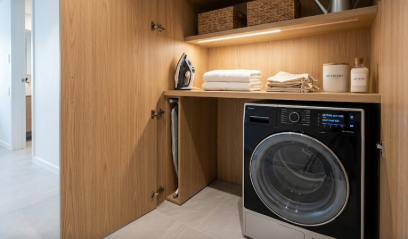
A compact laundry closet featuring modern Ventless Heat-Pump Dryers for a rental apartment.

In 2026, property owners face a competitive market where every square foot must work hard to generate profit. Many landlords are now turning to Ventless Heat-Pump Dryers as a secret weapon to transform small closets into high-value laundry rooms. Because these units do not require a hole in the wall for exhaust, you can install them almost anywhere. This simple DIY upgrade quickly turns a basic apartment into a premium living space that attracts high-paying tenants.

Understanding the Hardware Behind Ventless Heat-Pump Dryers

Traditional dryers work by heating air and blowing it through a vent to the outside. In contrast, Ventless Heat-Pump Dryers function like a “reverse air conditioner.” The machine pulls moisture out of your clothes and condenses it into water. This water then goes into a small tank or directly down a drain pipe. Since you do not need to install complex ductwork, you can place these units in interior closets or under kitchen counters.

Massive Savings with Energy Efficiency Specs

Energy costs are a major concern for both landlords and tenants in 2026. Fortunately, these modern units use 50% to 70% less electricity than old-fashioned vented models. This efficiency happens because the system recycles the heat instead of venting it out of the house. Furthermore, many regions now offer a “Green Appliance” tax rebate of up to $800 for installing this technology. Consequently, the government essentially pays for a large portion of your upgrade.

The All-in-One Convenience for Modern Tenants

Today’s renters value convenience more than ever before. The latest 2026 models often come as “all-in-one” washer-dryer combos. This means a tenant can drop a load of dirty laundry into the machine before work and return home to dry, clean clothes. They never have to move wet, heavy laundry from one machine to another. This “set and forget” lifestyle is a massive selling point that helps your property stand out from the competition.

Calculating Your Rental ROI

Adding laundry is one of the smartest financial moves a property owner can make. Recent data shows that adding in-unit laundry can increase your rental value by 15–20%. For example, if your rent is $1,000, you could potentially charge $1,200 after installing Ventless Heat-Pump Dryers. Since these units cost around $1,200 to purchase, you will recover your entire investment in just six months. This high return on investment makes it the top DIY project for the year.

Why DIY Installation is Easier Than Ever

Because you do not need to cut through exterior walls, the installation process is straightforward. Most Ventless Heat-Pump Dryers only require a standard 120V power outlet and access to a water line. If you have a small closet near a bathroom or kitchen, you can easily tap into the existing plumbing. This simplicity allows you to avoid expensive contractor fees and complete the project over a single weekend.

References

  • Department of Energy: Energy Star Efficiency Ratings for Heat Pump Technology (2025).
  • National Apartment Association: Impact of In-Unit Laundry on Rental Premium Trends.
  • Green Building Council: 2026 Tax Rebate Guidelines for High-Efficiency Appliances.

For more information on the technical specifications of energy-efficient appliances, you can visit EnergyStar.gov.
 Why 2026 Housing Codes are Forcing the Switch to High-Albedo Cool Roofs

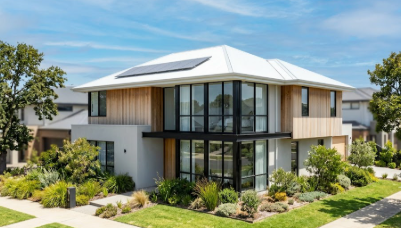
A modern residential building featuring High-Albedo Cool Roofs to improve energy efficiency.

As of this week, several major cities have officially updated their building codes to mandate the use of High-Albedo Cool Roofs. This regulatory shift marks a turning point in how we design our urban environments. For years, dark shingles dominated our skylines, but these surfaces trap immense amounts of heat. Consequently, engineers and policymakers are now prioritizing reflective technology to combat the “Urban Heat Island” effect. This article explores why this structural engineering shift is becoming the new standard for modern construction.

Understanding the Solar Reflectance Index (SRI)

To understand High-Albedo Cool Roofs, we must first look at the Albedo Spec, specifically the Solar Reflectance Index (SRI). The SRI measures a surface’s ability to reject solar heat. For example, a standard dark roof absorbs most sunlight and has an SRI close to 0. In contrast, new 2026 building codes require a “Cool Roof” to maintain an SRI of at least 78. This high rating ensures that the building reflects the majority of solar radiation back into the atmosphere rather than absorbing it into the structure.

Improving Thermal Performance and Energy Specs

The thermal performance of these materials is truly impressive. On a typical 35°C afternoon, a traditional dark roof can easily reach a scorching 65°C. However, High-Albedo Cool Roofs stay significantly cooler, often remaining under 45°C under the same conditions. Because the roof stays cooler, less heat transfers into the living spaces below. This temperature difference reduces air conditioning energy “specs” by up to 15%. Consequently, homeowners enjoy lower utility bills while the local power grid experiences less strain during peak summer months.

Modern Materials Beyond White Paint

Many people assume that a cool roof must be a bucket of white paint, but 2026 trends show great material diversity. For instance, manufacturers now produce “Cool Asphalt” shingles that look like traditional roofing but contain specialized reflective granules. Additionally, modern homes with flat roofs often utilize single-ply PVC membranes. These membranes provide excellent waterproofing while meeting the strict requirements for High-Albedo Cool Roofs. These innovations allow developers to maintain aesthetic variety while still following the new environmental laws.

Boosting Longevity Through Heat Reduction

Beyond energy savings, High-Albedo Cool Roofs offer a significant advantage in terms of durability. High heat causes roofing materials to expand and contract aggressively throughout the day. This constant movement leads to cracks, leaks, and general degradation over time. Because cool roofs absorb less heat, they undergo less thermal stress. Engineers estimate that this switch effectively increases the roof’s lifespan by approximately 25%. This longevity makes the technology a major selling point for developers looking to provide long-term value to their clients.

A Structural Shift for the Future

The move toward reflective roofing is not merely a design trend; it is a necessary evolution in civil engineering. By implementing High-Albedo Cool Roofs, we are creating buildings that work with the environment rather than against it. As more cities adopt these 2026 housing codes, we can expect cooler neighborhoods and more sustainable cities. If you are planning a renovation or a new build, choosing a high-albedo surface is the smartest way to protect your investment. You can find more technical data on sustainable building materials at the Whole Building Design Guide.

References

  • Global Cool Cities Alliance (2025). The Impact of Reflective Surfaces on Urban Heat.
  • International Code Council (2026). Updated Residential Building Standards: Section 402.3.

Lawrence Berkeley National Laboratory (2024). Solar Reflectance Index and Energy Efficiency in Modern Housing.

Privacy-First Automation: Why 2026 is Replacing Invasive Cameras with Ultra-Wideband (UWB) Sensors

As we move through 2026, a major shift is happening in our homes. For years, people felt they needed indoor cameras to make their homes “smart.” However, privacy concerns have reached an all-time high. Many homeowners now feel uncomfortable with lenses watching their every move. This discomfort has birthed a trend called Privacy-First Automation. Instead of recording video, modern smart homes now use “Invisible Tech” like Ultra-Wideband (UWB) sensors to manage daily tasks.

Understanding the Presence vs. Motion Specification

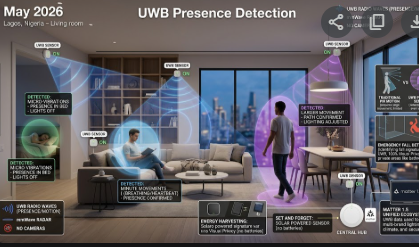
In the past, we relied on Passive Infrared (PIR) sensors. You likely know these as the sensors that turn on a light when you walk into a room. However, they have a major flaw: if you sit still to read a book, the light often turns off. Privacy-First Automation solves this by focusing on “Presence” rather than just “Motion.”

Old sensors need big movements to work. In contrast, 2026 UWB sensors are incredibly sensitive. They can detect micro-vibrations, such as the rise and fall of your chest while you breathe or even your heartbeat. This means your house knows you are in the room even if you are sleeping or perfectly still. Consequently, your AC and lights stay on exactly when you need them without any cameras watching you.

Emergency Fall Detection Without Cameras

One of the most important specs for 2026 is the ability to help the elderly. “Aging-in-place” is now safer thanks to Privacy-First Automation. UWB sensors can identify the unique “signature” of a human fall. If someone slips in a bathroom or bedroom, the system recognizes the sudden change in height and impact.

Because these sensors use radio waves instead of video, they maintain 100% visual privacy. You can install them in private areas where you would never put a camera. This allows the system to trigger an emergency alert to family members or doctors instantly. It provides peace of mind without the “Big Brother” feeling of a constant video feed.

Matter 1.5 Interoperability and Connectivity

Compatibility used to be a headache for smart home owners. Thankfully, the release of the Matter 1.5 protocol in late 2025 changed everything. This standard allows different brands to talk to each other seamlessly. Privacy-First Automation is now easier to set up because a UWB sensor from one brand can control a smart plug or thermostat from another.

For example, your Eve Systems sensor can tell your Aqara lights to dim when you lie down. This interoperability ensures that your smart home works as one cohesive unit. You no longer need to worry if a specific sensor will work with your existing hub, as long as it supports the Matter 1.5 standard.

Energy Harvesting and Easy Installation

Maintenance is another area where 2026 tech shines. We are finally moving away from the “low battery” chirps that haunt homeowners. Many new UWB sensors utilize energy-harvesting technology. They can power themselves using the ambient indoor light in your home or even stray Wi-Fi signals.

This makes Privacy-First Automation a true “set and forget” solution. You can stick a sensor on the wall and never touch it again for years. Since they don’t require wiring or frequent battery changes, they are perfect for DIY enthusiasts. These sensors are small, discreet, and blend into your home decor effortlessly.

References

  • Matter Working Group (2025). Matter 1.5 Specification: Standardizing Presence Sensing.
  • IEEE (2026). The Evolution of Ultra-Wideband in Consumer Electronics.
  • Smart Home Journal (2026). The Death of the Indoor Camera: The Rise of Ambient Sensing.

For more information on how radio waves are used in modern construction and home monitoring, check out The Engineering Toolbox.

Gas Station Speeds: The Donut Lab Solid-State Battery Just Hit Mass Production

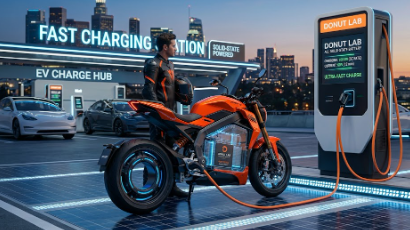
The automotive world is buzzing this week over the world-first mass-produced Donut Lab solid-state battery. Unveiled at CES 2026 and officially shipping this May, this technology marks a historic shift in how we power vehicles. Unlike the liquid-filled batteries in your current phone or car, this solid-state system is ready for large-scale use. It starts with high-performance motorcycles from Verge Motorcycles before moving into passenger cars later this year.

The 5-Minute Full Charge Milestone

The most exciting feature of the Donut Lab solid-state battery is its incredible charging speed. It can accept a full charge in roughly five minutes, which effectively matches the time you spend at a gas pump. This “killer spec” removes the biggest hurdle for electric vehicle (EV) adoption: long wait times. Drivers no longer need to plan their day around a 45-minute charging stop during long road trips.

While current EVs require careful planning, this new battery behaves like a traditional fuel tank. You pull up, plug in, and by the time you buy a coffee, your vehicle is ready to go. This rapid energy transfer is possible because solid materials handle heat much better than liquid electrolytes. Consequently, the battery does not catch fire or degrade when hit with massive amounts of electricity.

Double the Energy Density for Longer Trips

Manufacturers can now offer over 600 miles of range without making cars heavier or larger. This is because the Donut Lab solid-state battery offers roughly double the energy density of current lithium-ion packs. In simple terms, you can fit twice as much “fuel” into the same amount of space. For a civil engineer or a site manager, this means driving to remote project locations without worrying about the next charge.

Heavy battery packs have always been a downside for EVs, as they affect braking and tire wear. By doubling the energy density, Donut Lab allows car makers to reduce the physical size of the battery. This change results in lighter vehicles that are more efficient and cheaper to maintain over time.

Reliable Performance in Extreme Weather

Solid-state batteries solve the “winter range loss” problem that has frustrated many early EV owners. Standard batteries often struggle in severe cold, but the Donut Lab solid-state battery performs consistently down to -30°C. It also handles extreme heat above 100°C without losing its ability to hold a charge. This thermal stability ensures that your car starts and runs perfectly, whether you are in a desert or a snowstorm.

The Need for Megawatt Infrastructure

To achieve these 5-minute speeds, the world needs a new type of charging station. The Donut Lab solid-state battery requires a 1,500kW Megawatt Charging network to reach its full potential. Currently, companies like BYD are rolling out these high-power stations to support the new technology. Without this “Megawatt” infrastructure, the battery will still charge faster than old models, but it won’t hit the 5-minute record.

References

  • Donut Lab Official. (2026). CES 2026: The Future of All-Solid-State Batteries.
  • Verge Motorcycles. (2026). Shipping Schedules for Solid-State Powered Superbikes.
  • BYD Global. (2026). The Expansion of the 1.5MW Megawatt Flash Charging Network.

For more technical details on battery chemistry and energy storage, you can visit IEEE Spectrum.

The NPU Revolution: Why 40+ TOPS is the Only Spec That Matters for 2026 AI Laptops

A high-end 2026 laptop showcasing a powerful NPU chip with 40+ TOPS performance.

The laptop market in May 2026 has reached a major turning point. We no longer just talk about how fast a processor is or how many gigabytes of RAM a computer has. Today, the industry divides devices into “Legacy PCs” and “Copilot+ PCs.” If you want a modern machine, you must look for a specific number: 40+ TOPS. This figure represents the power of the Neural Processing Unit (NPU), and it has become the most important spec for anyone buying a laptop this year.

Understanding the 40 TOPS Benchmark

In simple terms, TOPS stands for “Trillion Operations Per Second.” It measures how many calculations an AI chip can handle in a single second. For a laptop to earn the “Next Gen AI PC” badge in 2026, its NPU must hit a minimum of 40+ TOPS. This power allows the computer to think like a human brain when processing specific tasks.

Without this level of performance, your laptop cannot run advanced AI features locally. For example, the “Recall” feature allows you to search your digital memory to find anything you have ever seen on your screen. Similarly, the “Cocreator” tool lets you generate high-quality images in real-time while you sketch. Because the 40+ TOPS NPU handles these tasks, your laptop does not need to send your private data to the cloud.

Diversity in AI Processors

While Qualcomm started this trend with the Snapdragon X Elite, other big players have caught up quickly. In 2026, you will see the Intel Core Ultra 200V (also known as Lunar Lake) and the AMD Ryzen AI 300 series everywhere. These manufacturers have shifted their focus from raw speed to AI efficiency.

These new chips offer more than just smart features; they provide incredible battery life. Many of these 2026 laptops can play video for over 22 hours on a single charge. This efficiency happens because the NPU takes over heavy AI tasks that used to drain the battery. When you choose a chip with 40+ TOPS, you are choosing a machine that stays cool and lasts all day.

New Minimum Standards for 2026

The rise of the AI PC has forced the entire industry to raise its hardware standards. You can no longer get by with 8GB of RAM if you want to use modern software. A standard productivity laptop in 2026 now requires at least 16GB of high-speed RAM (8400 MHz LPDDR5x). This fast memory ensures that the AI models can load instantly.

Furthermore, you need a fast SSD, with 256GB being the absolute minimum for entry-level models. These components work alongside the 40+ TOPS NPU to make the user experience smooth. If one part of this system is weak, the whole AI experience slows down. Therefore, checking these specs is vital before you spend your money on a new device.

The Shift to OLED Displays

In addition to internal power, the visual experience of laptops has improved significantly. Mid-to-high-end laptops in 2026 have moved away from older IPS panels. Instead, 3K OLED touchscreens have become the standard for professionals. These screens offer deep blacks and vibrant colors that make creative work look stunning.

These displays also feature variable refresh rates ranging from 48Hz to 120Hz. This technology saves battery life by slowing down the screen when you read a document and speeding it up when you watch a video. When paired with a powerful 40+ TOPS processor, these screens provide a premium feel that older laptops simply cannot match.

Why You Should Not Buy Legacy PCs

Buying a laptop without a strong NPU today is like buying a car without an engine. “Legacy PCs” might be cheaper, but they will struggle to run the software of the future. Most new apps now include AI tools that require at least 40+ TOPS to function properly. If you buy an older model, you will miss out on the most helpful productivity shortcuts.

In conclusion, 2026 is the year of the AI-integrated workspace. Whether you are a student, a civil engineer, or a digital creator, your hardware must keep up with the software. Always verify that your next purchase meets the 40+ TOPS requirement to ensure your investment lasts for years to come. For more details on how these chips work, you can read more about NPU technology here.

References

  • Microsoft. (2026). What is a Copilot+ PC?
  • Intel Newsroom. (2025). Intel Core Ultra 200V Series: A New Era of Efficiency.
  • Qualcomm Technologies. (2024). Snapdragon X Elite: The Next Generation of Computing.

The Verge. (2026). The Shift from CPUs to NPUs in Modern Laptops.

Why the 50MP “Oversized Selfie Lens” is the Trend of 2026

A modern 2026 smartphone displaying the powerful 50MP "Oversized Selfie Lens" used for professional vlogging.

For over a decade, smartphone brands fought a fierce war over rear cameras. They competed to see who could offer the most megapixels or the longest zoom. However, by May 2026, the market has shifted its focus entirely. The 50MP “Oversized Selfie Lens” is now the most important feature for the modern buyer. This change reflects the booming “Creator Economy,” where users care more about how they look on screen than how far they can zoom into a building.

The launch of the OPPO F33 Pro highlights this massive trend. Instead of a tiny “hole-punch” dot, the phone features a professional-grade sensor on the front. This hardware allows for 4K video recording at 60 frames per second. Consequently, creators no longer need to turn their phones around to use the rear camera for high-quality vlogs. They can see themselves clearly while filming with professional clarity.

Why the 50MP “Oversized Selfie Lens” Changes Everything

Traditionally, front cameras used small 8MP or 12MP sensors. These tiny sensors often produced “noisy” or grainy images in low light. In contrast, the 50MP “Oversized Selfie Lens” uses a large-format sensor. This larger size captures significantly more light. Because it captures more data, the phone can create a “natural bokeh” effect. This means the background blurs softly while your face stays sharp, mimicking an expensive mirrorless camera.

Furthermore, this high resolution allows for “digital cropping” without losing quality. If you want a tighter shot of your face during a live stream, the software can zoom in easily. The image remains crisp because the sensor has so many pixels to work with. Therefore, the 50MP “Oversized Selfie Lens” provides a level of versatility that previous front cameras simply could not match.

Keeping Cool with Micro-Pump Liquid Cooling

Recording high-resolution 4K video generates a massive amount of heat. Since the 50MP “Oversized Selfie Lens” sits near the processor and the screen, thermal management is a challenge. To solve this, the Infinix GT 50 Pro has introduced a brilliant hardware solution. It uses an internal micro-pump liquid cooling loop. This system specifically targets the top half of the device to move heat away from the camera and the chipset.

This cooling technology ensures that the phone does not throttle or slow down during a long recording session. For example, if you are live-streaming a tutorial for an hour, the micro-pumps keep the temperature stable. Without this cooling, the high-res sensor would likely overheat and shut down the app. Consequently, manufacturers are prioritizing thermal engineering just as much as lens quality in 2026.

AI Beauty 3.0: From Filters to Studio Lighting

In the past, “beauty modes” simply smoothed out skin and made faces look like plastic. However, the 2026 version of AI Beauty 3.0 focuses on physics rather than just filters. When you use the 50MP “Oversized Selfie Lens,” the AI maps your face in 3D. It then applies “virtual 3-point studio lighting” in real-time. This means the software adds highlights and shadows to your face as if you were standing in a professional studio.

Specifically, the AI identifies where the light should hit your forehead, cheeks, and chin. It corrects harsh shadows caused by overhead room lights. In addition, it can change the “color temperature” of your skin to make you look healthy even if you are in a dark room. This technology makes every video call and vlog look like a high-budget production without requiring extra equipment.

Smooth Footage with Front-Facing OIS

One of the biggest upgrades this year is the inclusion of Optical Image Stabilization (OIS) on front cameras. In previous years, OIS was a luxury found only on rear lenses. Now, mid-range and flagship phones include it for the 50MP “Oversized Selfie Lens.” OIS uses tiny motors to physically move the lens to compensate for hand shakes.

This hardware feature is essential for vlogging while walking. Instead of shaky, dizzying footage, the OIS keeps the frame steady and smooth. For instance, a travel vlogger walking through a busy market can now record stable video using just their hand. When you combine OIS with the high pixel count, the result is cinema-quality footage from a device that fits in your pocket.

The era of ignoring the front camera has finally ended. Manufacturers now realize that for most users, the “selfie” side is the primary camera. By focusing on the 50MP “Oversized Selfie Lens,” brands like OPPO and Infinix are giving creators exactly what they need to succeed. To learn more about the latest mobile hardware trends, you can read this detailed analysis on smartphone sensor evolution.

References

Mobile Imaging Journal: The Impact of OIS on Front-Facing Video Quality (2026 Edition).

Global Tech Trends Report 2026: The Rise of the Front-Facing Sensor.

Infinix Mobile: Engineering the GT 50 Pro Thermal Systems.

OPPO Newsroom: Revolutionizing the F-Series with 50MP Optics.