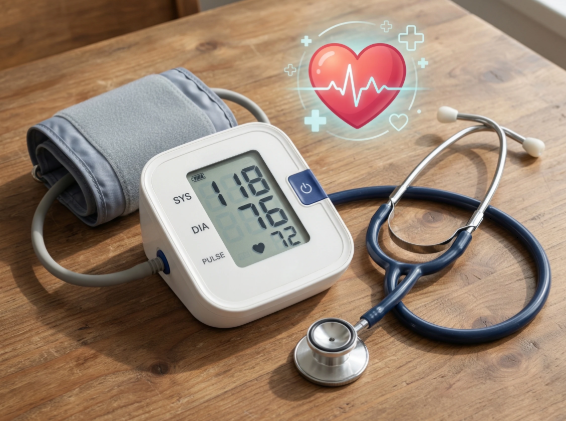
Summary of Key Points
- High blood pressure is often called the silent killer because it rarely shows obvious symptoms.
- Understanding early warning signs of high blood pressure and hypertension can save your life.
- Routine medical checkups remain the most reliable way to monitor your cardiovascular health.
Introduction to Hypertension
Many people walk around every day without knowing their cardiovascular health is at risk. Early warning signs of high blood pressure and hypertension often hide beneath the surface. Because of this sneaky nature, doctors frequently refer to the condition as a silent killer. Therefore, recognizing subtle shifts in your body becomes essential for long-term health and wellness.
Why Early Detection Matters
Detecting cardiovascular issues early prevents severe complications like heart attacks and strokes. As a result, monitoring your daily habits and physical responses pays off. Furthermore, knowing what to look for empowers you to take prompt action. Consequently, you can consult a healthcare professional before minor issues escalate into major medical emergencies.
Recognizing Early Warning Signs of High Blood Pressure and Hypertension
Although hypertension rarely causes symptoms in its initial stages, certain indicators might pop up unexpectedly. For instance, severe headaches, nosebleeds, and fatigue sometimes signal elevated blood pressure. Additionally, you might experience dizziness or shortness of breath during routine physical activities. However, you should never rely solely on these signs, as they usually appear only when blood pressure reaches dangerous levels.
Actionable Steps to Protect Your Heart
Taking control of your cardiovascular health requires consistent effort. First, reduce your daily sodium intake and eat more fresh fruits and vegetables. Second, incorporate regular aerobic exercise, such as brisk walking, into your weekly routine. Finally, schedule routine blood pressure screenings with your primary care provider. For more tips on managing your cardiovascular wellness, visit the American Heart Association.
References
American Heart Association. Understanding Blood Pressure Readings. Available from: https://www.heart.org