Summary of Key Points
- Severe internal heat is the primary reason transmission fluid burns and breaks down.
- Low fluid levels force the remaining liquid to work harder, leading to rapid overheating.
- Worn clutch plates create excessive friction that scorches surrounding fluid.
- Regular fluid changes prevent costly transmission failure and keep components cool.
Introduction
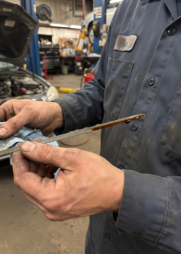
When you check your vehicle dipstick and notice a sharp, pungent odor, you likely wonder what causes automatic transmission fluid to smell burnt. Healthy transmission fluid typically features a bright red color and a slightly sweet or neutral petroleum scent. However, extreme operational heat destroys the protective qualities of the fluid, creating a distinct burnt odor that signals urgent trouble for your vehicle.
Understanding What Causes Automatic Transmission Fluid to Smell Burnt
Automatic transmissions rely heavily on fluid for hydraulic pressure, component lubrication, and temperature control. When heat levels inside the system spike beyond safe operating thresholds, the chemical structure of the fluid oxidizes rapidly. Below are the most common factors that trigger this damaging reaction.
1. System Overheating
Excessive operating temperature is the main culprit when analyzing what causes automatic transmission fluid to smell burnt. Standard automatic transmission fluid performs best at temperatures between 175 and 200 degrees Fahrenheit. Heavy towing, aggressive driving, or prolonged idling in hot weather can easily push temperatures above 220 degrees. Consequently, key protective additives break down, causing the fluid to cook and emit a strong burnt smell.
2. Excessive Internal Friction
Inside an automatic transmission, internal clutch plates constantly engage and disengage to switch gears smoothly. Over time, normal wear and tear reduces the friction material on these plates. As slipping increases, the components generate intense heat. This heat scorches the surrounding liquid, turning bright red fluid into a dark brown or black liquid filled with burnt organic particles.
3. Low Fluid Levels
Leaking pan gaskets, cooler lines, or front seals reduce total fluid volume in the system. Because less fluid circulates through the transmission, the remaining liquid absorbs far more heat than designed. Therefore, the fluid quickly overheats, loses viscosity, and produces a noticeable burning smell.
4. Old and Contaminated Fluid
Transmission fluid does not last indefinitely. Over thousands of miles, the fluid gathers microscopic metal shavings, dirt, and friction material debris. Eventually, these heavy contaminants restrict fluid flow and diminish its heat-dissipation capabilities. As a result, aged fluid degrades very quickly under normal driving conditions.
Warning Signs That Accompany Burnt Fluid
A burnt odor rarely occurs in isolation. Drivers usually notice additional symptoms indicating that internal transmission damage is occurring. For example, your vehicle may exhibit delayed gear engagement, rough shifting, or slipping between gears. Furthermore, you might see warning lights illuminate on your dashboard as heat levels rise.
How to Fix and Prevent Burnt Transmission Fluid
Fortunately, proactive maintenance protects your transmission from heat damage. First, inspect your dipstick regularly to check both fluid color and scent. Second, change your fluid and filter according to your vehicle manufacturer recommendations. Finally, consider installing an external transmission cooler if you frequently haul heavy loads or live in hot climates.
If your fluid already smells burnt, act immediately. Perform a complete fluid flush if the transmission still shifts smoothly. However, if the vehicle slips out of gear, consult a professional mechanic promptly to evaluate internal component wear. For comprehensive guidance on routine vehicle maintenance schedules, visit Car and Driver for reliable automotive advice.
References
1. AAMCO Transmissions. “Why Does My Transmission Fluid Smell Burnt?” Technical Maintenance Guide, 2023.
2. Consumer Reports. “Guide to Automatic Transmission Fluid Care and Maintenance.” Automotive Reports, 2022.