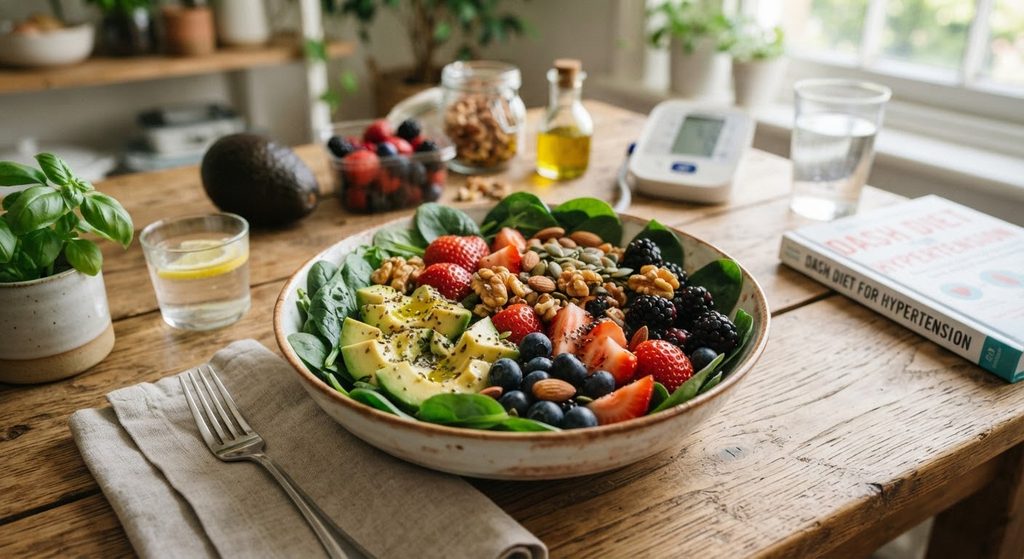
Summary of Key Points
- Adopt a nutrient-rich diet focusing on whole foods, fruits, and vegetables.
- Reduce sodium intake significantly to improve cardiovascular health.
- Incorporate potassium-rich foods to help balance sodium levels.
- Limit alcohol consumption and sugary beverages for better blood pressure control.
Introduction to Managing Blood Pressure
Making the best diet changes to lower high blood pressure naturally is one of the most effective steps you can take for your long-term health. High blood pressure affects millions of people worldwide, increasing the risk of heart disease and stroke. Fortunately, what you put on your plate plays a massive role in regulating your cardiovascular system. By adjusting your daily nutrition, you can take control of your health without relying solely on medication.
Emphasize the DASH Eating Plan
Doctors often recommend the Dietary Approaches to Stop Hypertension (DASH) diet for patients looking to improve their heart health. This eating pattern focuses on whole foods that naturally support your cardiovascular system. When you follow this approach, you eat plenty of fruits, vegetables, whole grains, and low-fat dairy products.
Furthermore, the DASH diet restricts foods high in saturated fat and added sugars. Adopting this eating style provides your body with essential minerals like calcium, magnesium, and potassium. These nutrients work together to relax blood vessel walls and lower overall pressure.
Reduce Sodium Intake
Sodium is a primary culprit behind elevated blood pressure readings. When you consume too much salt, your body holds onto extra water. This extra fluid creates a higher volume of blood, which forces your heart to work harder. Therefore, reducing salt is crucial when making the best diet changes to lower high blood pressure naturally.
To cut back on sodium, avoid heavily processed foods, canned soups, and fast food. Instead, flavor your meals with herbs, spices, garlic, and citrus juice instead of reaching for the salt shaker. Always check nutrition labels to find low-sodium alternatives at the grocery store.
Increase Potassium-Rich Foods
Potassium plays a balancing act against sodium in your body. It helps ease tension in your blood vessel walls and assists your body in getting rid of excess sodium through urine. Eating more potassium-rich foods is a simple yet powerful strategy.
Great sources of potassium include:
- Bananas, avocados, and oranges
- Leafy greens like spinach and Swiss chard
- Sweet potatoes and regular potatoes with the skin
- Beans, lentils, and other legumes
Limit Alcohol and Added Sugars
Consuming too much alcohol can dramatically raise your blood pressure over time. Experts recommend limiting alcohol to moderate levels, which means up to one drink per day for women and up to two drinks per day for men.
Similarly, added sugars contribute to weight gain and obesity, both of which are major risk factors for hypertension. Swap out sugary sodas, energy drinks, and packaged sweets for plain water, herbal tea, or infused water with fresh fruit.
Conclusion
Taking control of your cardiovascular health requires consistency and mindful eating habits. By implementing the best diet changes to lower high blood pressure naturally, you protect your heart and enhance your overall well-being. For more comprehensive guidelines on heart-healthy nutrition, you can visit the American Heart Association.
References
1. American Heart Association. (2023). Why Dietary Sodium Does Not Affect Blood Pressure the Same in Everyone.
2. National Institutes of Health. (2022). Your Guide to Lowering Your Blood Pressure with DASH.