Summary of Key Points
- Slow engine cranking and delayed starts indicate weak electrical charge.
- Dimming headlights and flickering interior lights signal voltage drops.
- Corrosion on terminals or a swollen casing points to physical degradation.
- Unusual rotten egg odors suggest hazardous battery acid leaks.
- Regular voltage testing helps prevent sudden roadside breakdowns.
Introduction
Every driver dreads the sound of a silent ignition key turn. Recognizing the symptoms of a failing car battery before it dies completely can save you from getting stranded in a deserted parking lot. Fortunately, your vehicle usually gives clear warning signs long before the battery power drops to zero. By paying attention to how your car starts, looks, and responds, you can replace a weak battery early and avoid an unexpected breakdown.
Engine Starting Issues and Symptoms of a Failing Car Battery Before It Dies Completely
One of the earliest red flags involves how your engine turns over. When you turn the key or press the start button, a healthy battery delivers a strong burst of electrical energy to the starter motor. However, as internal chemical components degrade, the battery struggles to supply sufficient amperage.
Consequently, you will notice a slow, sluggish engine crank. The engine might take several seconds longer to start than usual. Furthermore, you may hear a clicking sound when turning the key, which happens when the battery lacks the power to engage the starter solenoid. If your car requires multiple attempts to start on cold mornings, your battery is clearly losing its capacity.
Dim Lights and Electrical Failures
Your car battery powers all electrical accessories when the engine is idle or starting. Therefore, weak power rapidly shows up in your vehicle’s electronic systems. You might notice your headlights looking unusually dim while idling at a red light, only to brighten up when you step on the gas pedal. This change occurs because the alternator takes over powering the lights once the engine revs up.
Additionally, modern vehicles rely heavily on computer modules. A dying battery causes strange electrical glitches throughout the cabin. For example, your power windows may roll up slower than normal, the radio might reset unexpectedly, or heating controls might malfunction. Dashboard lights may also flicker or display random warning icons, such as the check engine light or battery symbol.
Physical Signs Under the Hood
You can often spot battery trouble just by opening the hood and performing a quick visual inspection. Overcharging, extreme heat, or internal failure cause chemical reactions that damage the battery’s outer structure. Consequently, visual clues provide vital confirmation of a dying unit.
- Corrosion Around Terminals: Look for a white, blue, or greenish powdery substance around the positive and negative posts. Excessive corrosion creates poor electrical contact and signals acid leaks.
- Swollen Battery Case: Extreme heat or cold can cause the battery casing to swell or bloat. A swollen case means internal components have ruptured.
- Rotten Egg Smell: A damaged or leaking lead-acid battery often vents sulfur gas. If you notice a pungent rotten egg smell under the hood, gas is escaping.
How Age Affects Your Car Battery
Most standard lead-acid car batteries last between three and five years. Harsh weather, frequent short trips, and heavy electronic usage can shorten this lifespan significantly. Therefore, if your battery is over three years old, you should test its voltage regularly, even if it seems to work fine.
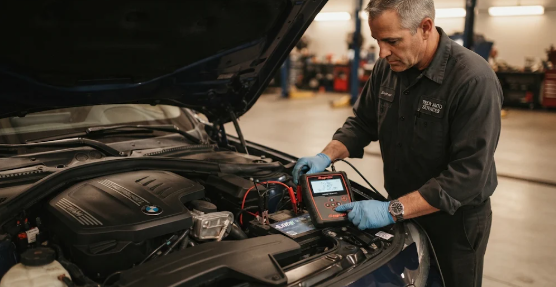
If you observe any symptoms of a failing car battery before it dies completely, take action immediately. Visit a local auto parts store or mechanic to run a simple digital battery conductance test. Testing measures cold cranking amps and overall health, telling you exactly when replacement is necessary. For deeper insights on vehicle maintenance and road safety, visit NHTSA for official driver safety resources.
References
National Highway Traffic Safety Administration (NHTSA). Vehicle Maintenance and Battery Safety Guidelines.
AAA Automotive Engineering. Understanding Car Battery Degradation and Lifespan Factors.