Summary of Key Points
- Always wait until the engine is completely cold before checking coolant levels.
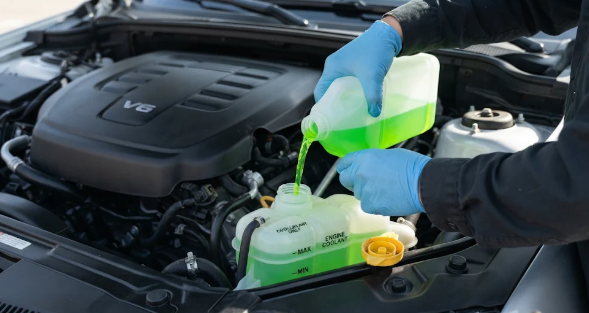
- Locate the translucent expansion tank and inspect the minimum and maximum indicator lines.
- Use the correct type of coolant recommended in your vehicle owner’s manual.
- Pour the fluid slowly using a clean funnel to prevent accidental spills.
- Store leftover coolant away from pets and children due to its high toxicity.
Introduction to Engine Coolant Maintenance
Learning how to check and top up car engine coolant safely is one of the most important basic maintenance skills every driver should master. Car engines generate extreme heat during operation, and without proper cooling, critical internal components can warp or fail. Regular fluid checks keep your vehicle running smoothly and prevent costly repair bills down the road.
In this guide, we will walk you through the entire process step by step. You do not need professional mechanical skills to complete this task. However, you must follow essential safety steps because handling hot engine parts can cause severe burns.
Why Car Engine Coolant Is Vital
Engine coolant, which people often call antifreeze, regulates your engine’s operating temperature. It absorbs excess heat from the engine block and transfers it away through the radiator. Furthermore, coolant contains special chemical additives that protect internal metal surfaces from rust, corrosion, and scale buildup.
If your fluid level drops too low, air pockets form inside the cooling system. Consequently, your engine will quickly overheat, which can cause catastrophic damage such as blown head gaskets. Checking your fluid level regularly helps you catch small leaks early before they become expensive emergencies.
Tools and Supplies You Will Need
Before you begin, gather a few basic items. Having these tools nearby will make the topping up process fast and clean.
- Correct Engine Coolant: Check your manual for the exact fluid type (such as OAT, HOAT, or IAT).
- Distilled Water: Required if you use concentrated coolant that needs a 50/50 mix.
- Clean Funnel: Helps prevent fluid from spilling on hot engine parts.
- Protective Gear: Use safety glasses and heavy-duty gloves to protect your skin and eyes.
- Clean Rag or Cloth: Useful for wiping away dirt and extra liquid drops.
Step-by-Step Guide: How to Check and Top Up Car Engine Coolant Safely
Follow these straightforward steps to inspect and refill your cooling system without danger.
Step 1: Ensure the Engine Is Completely Cold
First and most importantly, park your car on a level surface and turn off the ignition. Wait at least two to three hours after driving before opening the hood. A hot cooling system remains under high pressure, and opening the cap on a hot engine can spray boiling liquid and steam directly onto your hands and face.
Step 2: Locate the Coolant Expansion Tank
Pop the hood and find the translucent plastic reservoir. It typically features “MIN” and “MAX” fill lines marked clearly on the side. If you cannot find it, consult your owner’s manual for the exact location under the hood.
Step 3: Inspect the Liquid Level
Look through the side of the plastic tank to check the fluid level. The liquid should sit between the “MIN” and “MAX” indicator lines. If the fluid sits below the minimum mark, you need to top it up immediately.
Step 4: Remove the Expansion Tank Cap
Put on your protective gloves. Carefully cover the cap with a thick rag and twist it counter-clockwise to release any residual pressure slowly. Once the pressure vents, unscrew the cap completely and set it aside on a clean surface.
Step 5: Prepare and Pour the Fluid
If you purchased pre-mixed coolant, it is ready to pour. If you bought concentrated fluid, mix it thoroughly with equal parts distilled water in a clean container. Next, place your funnel into the reservoir opening and slowly pour the liquid until it reaches the “MAX” mark. Do not overfill the tank, because fluid expands when warm.
Step 6: Secure the Cap and Clean Up
Finally, replace the cap and tighten it securely until it locks into place. Wipe away any small drips with your cloth. Close your car hood, wash your hands thoroughly, and store any leftover fluid safely.
Important Safety Tips to Remember
Coolant smells sweet to pets and wildlife, but it is extremely toxic. Therefore, clean up spills immediately and store bottles securely off the ground. Additionally, never use tap water for long-term top-ups, as minerals in tap water cause internal corrosion over time. If you notice your fluid level dropping repeatedly, take your vehicle to a qualified technician to check for leaks.
Conclusion
Knowing how to check and top up car engine coolant safely gives you total confidence on the road while protecting your vehicle’s longevity. Checking your fluid levels monthly takes only a few minutes and prevents costly breakdowns. For more detailed automotive care advice, explore the official AAA Automotive Resources guide.
References
1. AAA Automotive Safety and Maintenance Guidelines.
2. Consumer Reports: How to Maintain Your Car’s Cooling System.
3. National Highway Traffic Safety Administration (NHTSA): Summer Driving Safety and Vehicle Care.