Summary of Key Points
- Estrogen loss during menopause often triggers joint stiffness and painful systemic inflammation.
- Targeted nutritional supplements help protect remaining cartilage and improve mobility.
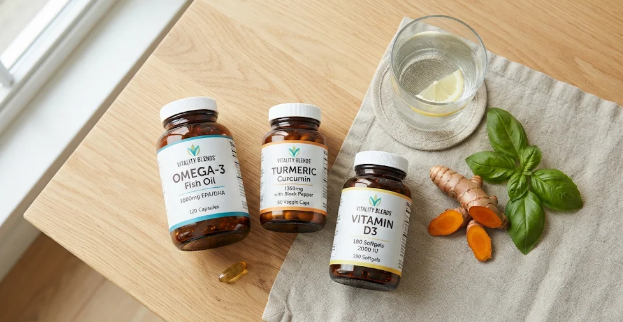
- Essential nutrients include Vitamin D3, Omega-3 fatty acids, turmeric curcumin, collagen, and magnesium.
- Combining proper supplementation with active movement yields the best long-term joint health results.
Understanding Menopause and Joint Stiffness
Many women experience aching knees, stiff fingers, and sore shoulders as they transition through midlife. Finding effective supplements and vitamins for joint pain during menopause can dramatically improve your daily comfort and overall mobility. During this phase of life, your body undergoes significant hormonal shifts that directly affect your musculoskeletal system.
Decreasing estrogen levels often lead to increased inflammation and reduced joint lubrication. Consequently, simple everyday movements like climbing stairs or opening jars can become surprisingly painful. Thankfully, targeted nutritional support can help ease these discomforts and restore your joint flexibility.
Why Menopause Causes Joint Pain
Estrogen plays a crucial role in maintaining joint health because it protects cartilage and dampens systemic inflammation. Therefore, when estrogen levels drop during perimenopause and menopause, your body loses a vital natural shield. Additionally, lowered hormone levels decrease overall cellular hydration, which dries out the synovial fluid buffering your joints.
Furthermore, aging naturally reduces cartilage resilience. When combined with sudden hormonal changes, this structural decline creates an environment where joint soreness thrives. Understanding this biological connection allows you to choose targeted remedies that directly address the root causes of your discomfort.
Top Supplements and Vitamins for Joint Pain During Menopause
Addressing joint stiffness requires a comprehensive approach. Fortunately, specific nutrients directly fight inflammation and support tissue repair. Here are the most effective options available today.
1. Vitamin D3 and Calcium
Vitamin D3 helps your body absorb calcium efficiently. Without adequate Vitamin D, your bones can weaken and place unnecessary mechanical stress on your joints. In addition, clinical studies show that Vitamin D plays an active role in modulating immune responses and reducing inflammatory markers. Taking a daily Vitamin D3 supplement supports both joint flexibility and long-term bone density.
2. Omega-3 Fatty Acids
Fish oil supplements rich in Omega-3 fatty acids act as powerful natural anti-inflammatories. Omega-3s work by blocking specific metabolic pathways that cause joint swelling and morning stiffness. Consequently, regular consumption of high-quality fish oil can significantly smooth out joint movement.
3. Turmeric Curcumin
Curcumin is the primary active compound found in the spice turmeric. It possesses potent anti-inflammatory and antioxidant properties comparable to many standard remedies. Adding curcumin extract to your daily routine helps soothe inflamed joint tissues without causing stomach upset.
4. Collagen Peptides
Collagen provides the structural framework for your cartilage, ligaments, and tendons. Because natural collagen synthesis drops alongside estrogen, supplementation helps rebuild damaged structural tissue. Taking daily hydrolyzed collagen peptides enhances joint elasticity and eases movement.
5. Magnesium
Magnesium supports muscle relaxation and bone structure. Stiff, tight muscles frequently place extra tension on surrounding joint sockets. Therefore, maintaining healthy magnesium levels eases muscle tightness and reduces overall strain on sore joints.
How to Choose and Use Joint Supplements Safely
Selecting the right products requires careful attention to quality and ingredients. Always choose brands tested by independent third parties to guarantee purity and safety. Furthermore, consult your healthcare provider before starting new products, especially if you take prescription medications.
Conclusion
Joint aches do not have to derail your active lifestyle during midlife. Incorporating high-quality supplements and vitamins for joint pain during menopause helps restore comfort, flexibility, and strength. By combining proper nutrition, hydration, and targeted supplements, you can effectively manage joint discomfort. For additional medical guidance on managing midlife health symptoms, visit the Mayo Clinic Menopause Guide.
References
1. National Institutes of Health. (2022). Vitamin D Fact Sheet for Health Professionals. NIH Office of Dietary Supplements.
2. North American Menopause Society. (2021). Managing Musculoskeletal Symptoms in Menopause. Journal of Midlife Health.
3. Arthritis Foundation. (2023). Guide to Joint Supplements and Vitamins.